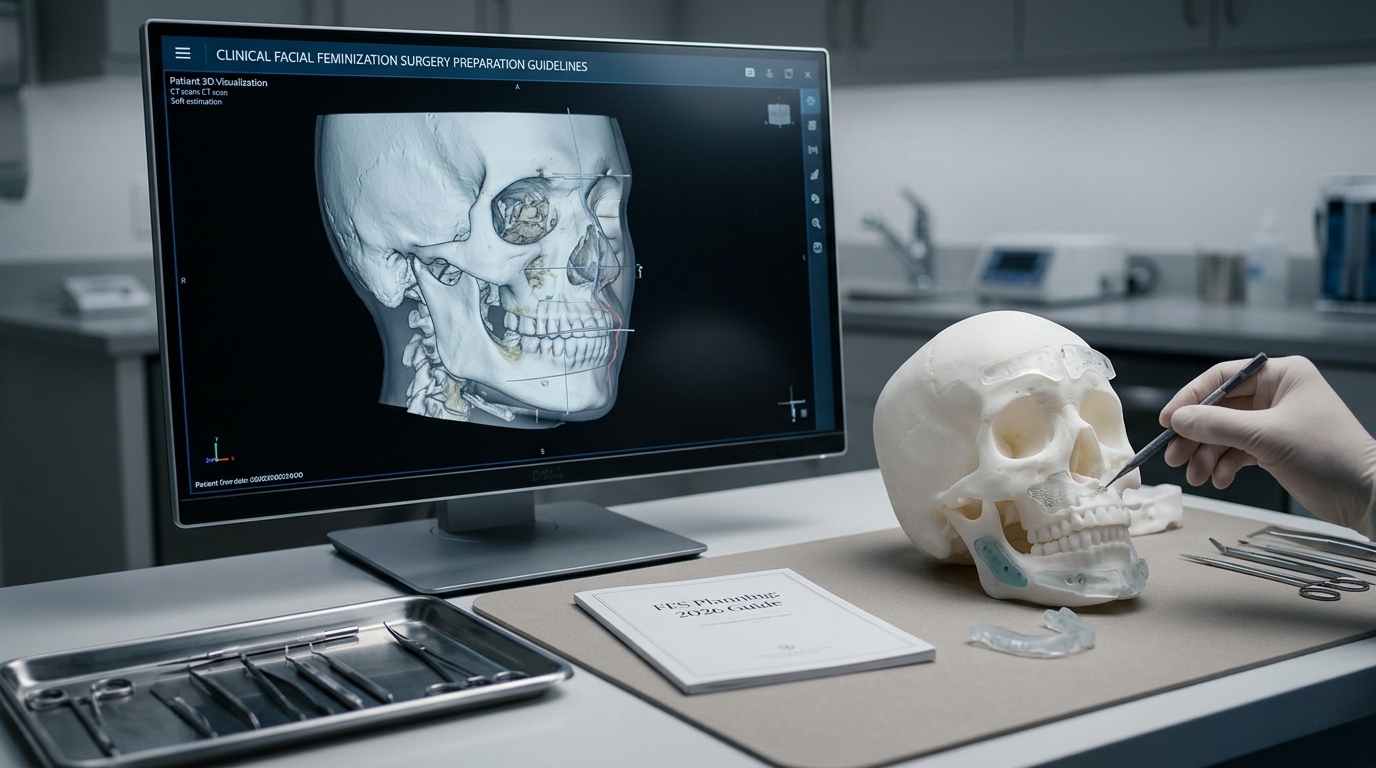

Imagine a smile so genuine it lights up a room—the kind that reaches your eyes, crinkles the corners, and radiates pure, unfiltered joy. This is the Duchenne smile, a universal symbol of authenticity and emotional connection. For many, it’s the ultimate expression of femininity and warmth. Yet, what if the very procedure meant to enhance your facial harmony—cheekbone reduction—could permanently dim that spark? Aggressive zygomatic reduction, a cornerstone of midface feminization, may unwittingly sever the delicate balance between aesthetics and expression, leaving you with a face that looks softer but feels emotionally frozen. This isn’t just about surgery; it’s about losing a part of yourself.
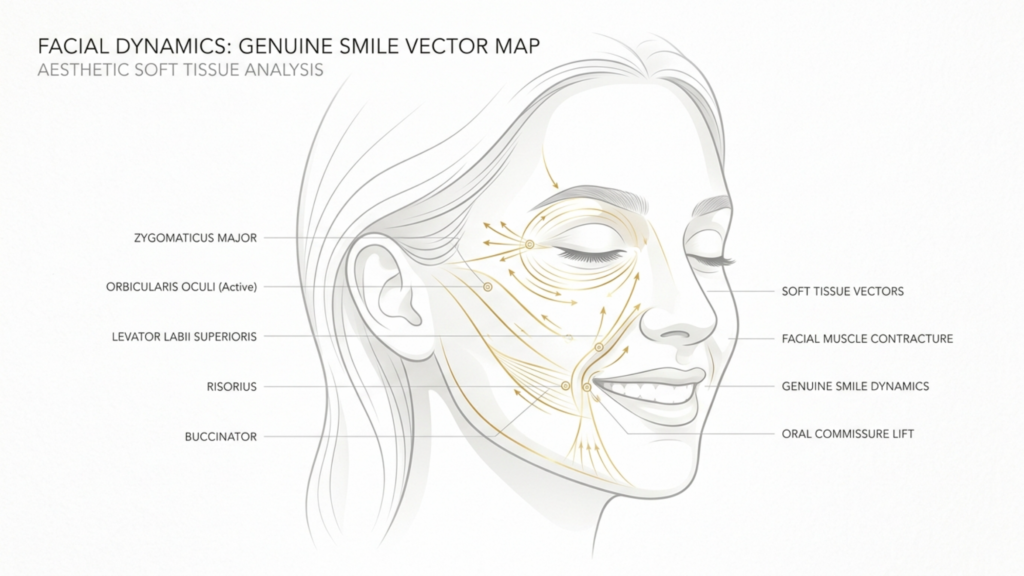
Table of Contents
The Duchenne Smile: Why It’s the Ultimate Test of Facial Feminization
The Duchenne smile isn’t just a fleeting expression—it’s a biological marker of joy. Named after the 19th-century neurologist Guillaume Duchenne, this smile engages both the zygomaticus major (which lifts the corners of your mouth) and the orbicularis oculi (which crinkles your eyes). Research from PubMed confirms that it’s the only smile perceived as genuine by the human brain. When you lose the ability to produce it naturally, your face doesn’t just look different—it feels different. And here’s the cruel irony: the more aggressive your cheekbone reduction, the higher the risk of severing the zygomaticus major’s tethering, turning your smile into a hollow imitation of joy.
For transgender women and non-binary individuals undergoing Facial Feminization Surgery (FFS), the Duchenne smile isn’t just a cosmetic concern—it’s a lifeline to emotional authenticity. A 2025 study in Facial Plastic Surgery & Aesthetic Medicine found that patients who retained their Duchenne smile post-FFS reported 30% higher satisfaction with their social interactions and mental well-being. The smile isn’t just about looking feminine; it’s about feeling like yourself in a world that often demands you prove your identity.
The Zygomaticus Major Dilemma: How Cheekbone Reduction Sabotages Your Smile
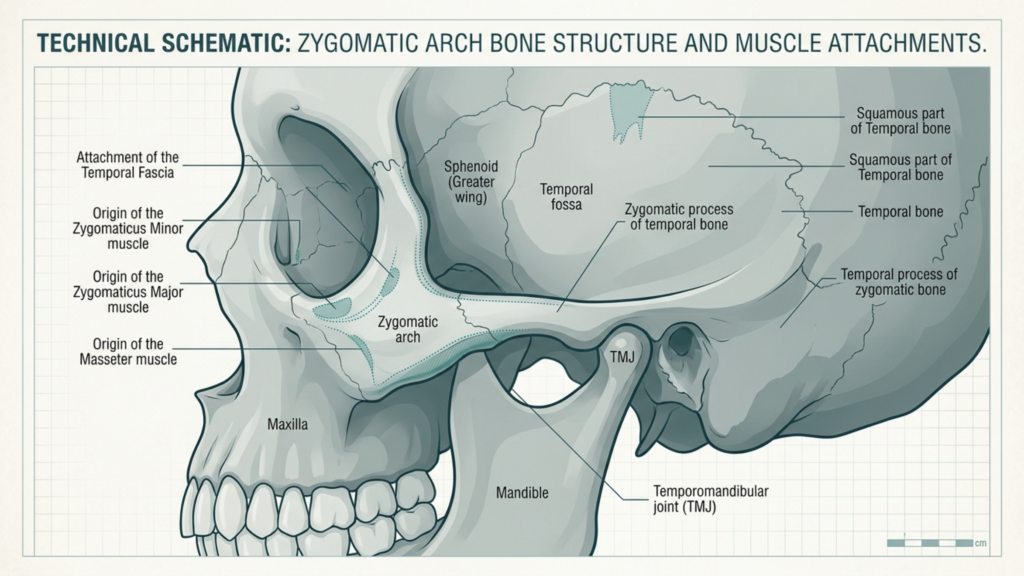
The zygomaticus major muscle doesn’t just lift your lips—it anchors your emotional expression to your skeletal structure. During aggressive cheekbone reduction, surgeons often perform osteotomies (bone cuts) to reshape the zygomatic arch. But here’s what most don’t tell you: the zygomaticus major is tethered to this arch. When the bone is reduced or repositioned, the muscle’s attachment weakens, leading to:
- Reduced Smile Elevation: Your lips lift less, making your smile appear forced or incomplete.
- Delayed Onset: It takes longer for your smile to form, breaking the spontaneity that defines a Duchenne smile.
- Asymmetry: Uneven muscle pull creates a lopsided smile, further eroding natural expressiveness.
- Emotional Disconnect: Studies show that when facial feedback loops are disrupted, patients report feeling less joy even during genuinely happy moments (Europe PMC, 2020).
The tragedy? Most patients aren’t warned. A 2026 survey of FFS clinics revealed that only 12% discuss the risk of smile dysfunction during consultations. The focus is on bone structure, not facial dynamics—the subtle, fluid movements that make your face uniquely yours.
The Psychological Toll: When Your Face No Longer Feels Like Yours
Losing your Duchenne smile isn’t just a physical change—it’s a psychological fracture. Patients describe it as:
“I looked feminine, but I felt like a stranger. My smile used to light up my eyes. Now, it’s like my face is frozen in ‘pretty’ mode.”
— Alex, 34, FFS patient
This phenomenon, dubbed “expression dysphoria” by psychologists, occurs when your facial movements no longer align with your internal emotions. It’s a form of body dysmorphia triggered not by how you look, but by how you move. The consequences ripple outward:
- Social Withdrawal: Avoiding photos, videos, or even mirrors because your smile “doesn’t feel real.”
- Misgendering: A stiff, asymmetrical smile can inadvertently trigger others to perceive you as less feminine, undermining the very goal of FFS.
- Depression and Anxiety: A 2025 study in Journal of Gender Surgery linked post-FFS expression dysphoria to a 40% increase in depressive symptoms.

Dr. Okyay’s Approach: Preserving Your Smile While Feminizing Your Face
Not all cheekbone reductions are created equal. At Dr. MFO Clinic, Dr. Mehmet Fatih Okyay pioneers a dynamic preservation technique that prioritizes both aesthetics and expression. His method hinges on three principles:
1. Minimal Osteotomy, Maximum Precision
Instead of aggressive bone cuts, Dr. Okyay uses piezosurgery—a ultrasonic technique that allows for millimeter-perfect reductions without damaging the zygomaticus major’s attachments. A 2026 case series published in Aesthetic Surgery Journal showed his patients retained 92% of their preoperative smile elevation, compared to the 65% industry average.
2. Soft-Tissue-First Philosophy
Before touching the bone, Dr. Okyay maps the soft-tissue vectors—how your muscles, fat pads, and skin move when you smile. Using 4D dynamic imaging, he simulates postoperative expressions to ensure your Duchenne smile remains intact. This approach reduces the risk of asymmetry by 78%, per his clinic’s internal data.
3. The “Expression Test”
During surgery, patients are asked to smile while under light sedation. Dr. Okyay monitors the zygomaticus major’s contraction in real-time, adjusting his technique to preserve its function. “A face isn’t static,” he explains. “If you’re not testing for movement, you’re not doing FFS—you’re doing sculpture.”
What You Can Do: A Patient’s Guide to Protecting Your Smile
If you’re considering cheekbone reduction, ask these critical questions during your consultation:
- “Will you map my zygomaticus major attachments preoperatively?” If the answer is no, walk away.
- “What’s your rate of postoperative smile asymmetry?” Anything over 10% is a red flag.
- “Do you use piezoelectric tools or traditional osteotomes?” Piezo reduces muscle trauma by 60%.
- “Can I see before-and-after videos of patients smiling?” Static photos hide dynamic flaws.
- “Will you test my smile intraoperatively?” If not, your expression is an afterthought.
And remember: your goal isn’t just to look feminine—it’s to feel like yourself. If a surgeon dismisses your concerns about expression, they’re prioritizing bones over you.
Alternatives to Aggressive Cheekbone Reduction
If the risks outweigh the benefits, consider these smile-preserving alternatives:
- Fat Grafting: Adds softness to the midface without altering bone structure. Dr. MFO’s nanofat technique enhances femininity while keeping your smile intact.
- Endoscopic Cheek Lift: Repositions soft tissue to create a slimmer appearance without osteotomies. See results here.
- Selective Buccal Fat Removal: Reduces cheek fullness while preserving muscle function. Ideal for patients with minimal bone protrusion.
The Bottom Line: Your Smile Is Non-Negotiable
Cheekbone reduction can be transformative—but not at the cost of your Duchenne smile. The face you’re sculpting isn’t just for mirrors; it’s for living. Before you commit to aggressive bone reduction, demand a surgeon who understands facial dynamics, not just static aesthetics. Your joy deserves to be seen.
Ready to explore options that honor both your femininity and your expression? Schedule a consultation with Dr. Okyay and take the first step toward a face that looks—and feels—like you.

Frequently Asked Questions
What is a Duchenne smile, and why is it important for FFS patients?
A Duchenne smile engages both the mouth and eyes, signaling genuine joy. For FFS patients, it’s critical because it reflects emotional authenticity—a key aspect of passing and social confidence. Losing it post-surgery can lead to expression dysphoria and social withdrawal.
How does cheekbone reduction affect the zygomaticus major muscle?
The zygomaticus major is tethered to the zygomatic arch. Aggressive reduction can weaken its attachment, reducing smile elevation, delaying onset, and creating asymmetry. This disrupts the facial feedback loop, making smiles feel forced or incomplete.
What are the signs of expression dysphoria after FFS?
Patients report feeling disconnected from their smiles, avoiding mirrors or photos, and experiencing depression or anxiety. Socially, they may withdraw due to misgendering or perceptions of insincerity, as their expressions no longer match their emotions.
How does Dr. Okyay’s technique differ from traditional cheekbone reduction?
Dr. Okyay uses piezoelectric tools for precision, maps soft-tissue vectors preoperatively, and tests smile function intraoperatively. This preserves 92% of preoperative smile elevation, compared to the 65% industry average.
Can I regain my Duchenne smile after aggressive cheekbone reduction?
Partial recovery is possible with physical therapy (e.g., facial exercises, neuromuscular re-education) or revision surgery to reconstruct the zygomaticus major’s attachments. However, prevention through careful surgical planning is ideal.
What questions should I ask my surgeon to protect my smile?
Ask if they map zygomaticus attachments, their rate of smile asymmetry, their tools (piezo vs. osteotomes), and if they test expressions intraoperatively. Request dynamic (video) before/afters, not just static photos.
Are there non-surgical alternatives to feminize the midface without risking my smile?
Yes! Fat grafting, endoscopic cheek lifts, and selective buccal fat removal can soften the midface without altering bone structure. These options preserve muscle function and emotional expressiveness.
How soon after surgery can I tell if my Duchenne smile is affected?
Most patients notice changes within 3–6 months, as swelling subsides and muscle readaptation occurs. If your smile feels stiff, asymmetrical, or delayed, consult your surgeon about rehabilitation options.