Deep Plane Facelift: What Makes It Different (and Often Better)?

A woman in an elegant dress standing between two marble columns in a grand hall with classical sculptures in the background.

For many seeking to turn back the clock on facial aging, the term “facelift” often brings to mind a general concept of skin tightening. However, the world of aesthetic surgery is far more nuanced, with various techniques designed to address specific aging concerns. Among these, the Deep Plane Facelift stands out as a sophisticated and increasingly popular option, promising more natural, long-lasting, and comprehensive rejuvenation. If you’re considering a facelift, understanding the distinctions of the deep plane approach is crucial for making an informed decision.

A woman in a beige dress standing in front of classical sculptures.

Understanding the Evolution of Facelift Techniques

To truly appreciate the deep plane facelift, it’s helpful to understand how facelift techniques have evolved. Early facelifts, often referred to as “skin-only” lifts, primarily focused on pulling and excising excess skin. While this offered some immediate improvement, the results often looked unnatural, “pulled,” and were relatively short-lived. This was because they didn’t address the underlying structures that contribute to facial sagging.

The next significant advancement involved the Superficial Musculoaponeurotic System (SMAS). The SMAS facelift became the gold standard for many years, involving the tightening of this layer of muscle and fibrous tissue beneath the skin. This provided a more durable and natural-looking result than skin-only approaches, as it addressed a key anatomical layer responsible for facial support.

However, even with SMAS techniques, there were limitations. For instance, severe jowling, deep nasolabial folds, and significant neck laxity could still be challenging to fully correct without some degree of tension on the skin, which could lead to an unnatural appearance or a less enduring outcome.

A close-up portrait of a woman with brown hair, wearing gold hoop earrings and a ring, with her hand resting on her chin.

What is a Deep Plane Facelift?

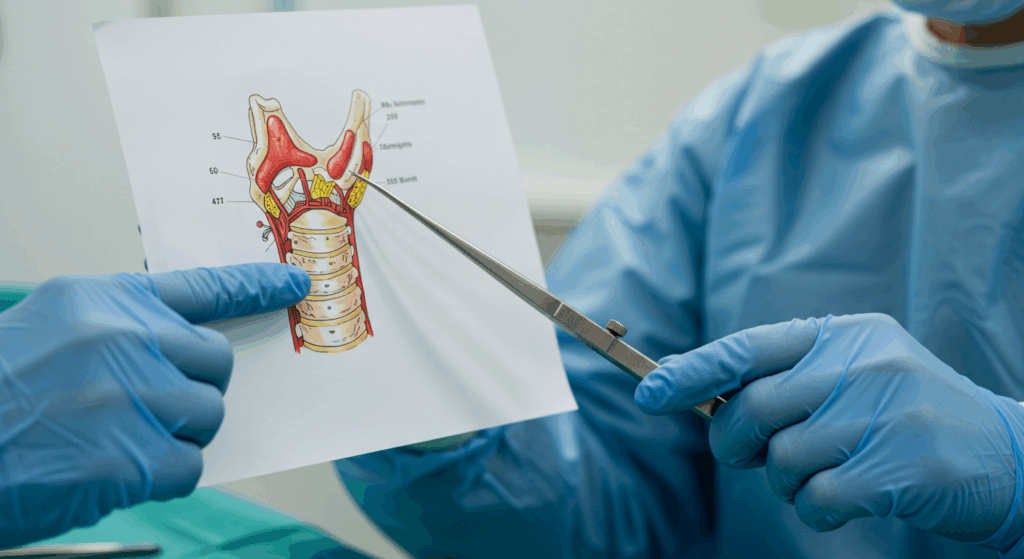
The Deep Plane Facelift represents a further evolution, distinguishing itself by lifting the skin and the deeper muscle and fat layers (including the SMAS) as a single, composite unit. Unlike a traditional SMAS lift, where the SMAS is separated from the deeper tissues and then tightened, the deep plane technique works beneath the SMAS layer, releasing specific ligaments that tether the skin and deeper tissues to the underlying bone.

Imagine your facial tissues as distinct layers. In a traditional SMAS lift, the surgeon might lift the top layer (skin) and then a second layer (SMAS). In a deep plane facelift, the surgeon lifts a much thicker, more comprehensive block of tissue that includes the skin, fat, and SMAS, all as one unit.

The Key Difference: Ligament Release

The most critical aspect that sets the deep plane facelift apart is the release of retaining ligaments. These ligaments act like anchors, securing the facial tissues to the underlying bone. Over time, as gravity and aging take their toll, these ligaments contribute to the formation of jowls, deep nasolabial folds, and a less defined jawline by holding the sagging tissues in place.

By releasing these ligaments, the surgeon can reposition the entire composite flap of tissue (skin, fat, and SMAS) more effectively and naturally, allowing for a true redraping and elevation of the midface, jowls, and neck without creating tension on the skin. This is a fundamental shift in approach that yields superior results.

Why is the Deep Plane Facelift Often Considered Superior?

The unique mechanics of the deep plane facelift translate into several significant advantages for patients:

1. More Natural and Youthful Results

Because the deep plane technique repositions the deeper facial structures as a single unit, the results appear exceptionally natural. There’s no stretched or “windswept” look often associated with older facelift techniques. Instead, the face looks genuinely rejuvenated, as if the clock has been gently turned back. The volume of the midface is often restored, and the jawline and neck appear smoothly contoured without visible tension.

2. Comprehensive Correction of Midface and Neck

One of the deep plane’s greatest strengths is its ability to effectively address the midface region. By lifting the deeper tissues, it can significantly improve the appearance of deep nasolabial folds (lines from the nose to the corners of the mouth) and hollows under the eyes that contribute to a tired appearance. It also provides excellent definition to the jawline and neck, often addressing neck bands and laxity more thoroughly than other techniques.

3. Longer-Lasting Outcomes

By releasing the retaining ligaments and repositioning the entire facial unit, the deep plane facelift creates a more stable and enduring result. The tissues are not simply tightened but are fundamentally repositioned to a more youthful state. While no facelift can stop the aging process entirely, a well-executed deep plane facelift can provide results that last for 10-15 years or even longer for many patients, significantly outperforming less comprehensive techniques.

4. Reduced Tension and Scarring

Since the lift is achieved through the deeper tissues, there is significantly less tension on the skin incisions. This translates to finer, less noticeable scars that heal beautifully and are typically well-hidden within the natural contours around the ears and hairline. The reduced tension also means a lower risk of skin irregularities or a “pulled” look.

5. Faster Recovery for Some Aspects

While any facelift requires a recovery period, some patients report that the deep plane facelift, due to less tension on the skin, can sometimes lead to less bruising and swelling compared to aggressive skin-only lifts. However, it’s important to note that this is still a significant surgical procedure, and downtime should be anticipated.

Ideal Candidate for a Deep Plane Facelift

The ideal candidate for a deep plane facelift is typically an individual in their late 40s to late 60s who is seeking to address more pronounced signs of aging. These include:

  • Significant jowling: Sagging skin and fat that blurs the jawline.
  • Deep nasolabial folds: Prominent lines running from the sides of the nose to the corners of the mouth.
  • Midface descent: A loss of volume or sagging in the cheek area.
  • Neck laxity: Loose skin, “turkey neck,” or visible neck bands.
  • Realistic expectations: An understanding that the surgery will rejuvenate their appearance, not completely transform it. They seek a refreshed and natural look.
  • Good overall health: No underlying medical conditions that would significantly increase surgical risks. Non-smokers or those willing to quit are preferred, as smoking can impair healing.
  • Prior aesthetic experience (often): Many deep plane candidates have previously tried non-surgical treatments like fillers or Botox but now feel these methods are no longer sufficient to achieve their desired level of rejuvenation.
  • Psychologically sound: Possess good mental health and are capable of coping with the emotional aspects of surgery and recovery.

The Surgical Process: What to Expect

A deep plane facelift is performed under general anesthesia or local anesthesia with sedation, depending on the patient’s preference and the surgeon’s recommendation. The procedure typically takes several hours.

Incisions

The incisions for a deep plane facelift are meticulously planned to be as inconspicuous as possible. They usually begin in the hairline above the ear, follow the natural curves in front of the ear, wrap around the earlobe, and then extend behind the ear into the hairline. For patients with significant neck laxity, a small incision under the chin may also be made.

The Deep Plane Dissection

The surgeon carefully creates the deep plane, lifting the skin, fat, and SMAS layer as a single unit. This involves releasing the retaining ligaments that hold these tissues in their aged position. This is the most delicate and technically demanding part of the procedure, requiring significant anatomical knowledge and surgical skill.

Repositioning and Securing

Once the composite flap is mobilized, it is gently lifted and repositioned to a more youthful, elevated position. The excess tissue is trimmed, and the repositioned structures are meticulously secured with sutures to deeper, stable tissues. This internal fixation is crucial for the longevity and natural appearance of the results, as it bears the tension, not the skin.

Closure

The skin is then redraped smoothly over the repositioned tissues, and the incisions are closed with fine sutures. Drainage tubes may be placed temporarily to prevent fluid accumulation.

Recovery and Results

Immediate Post-Operative Period

After surgery, patients will experience swelling and bruising, which are normal. A compression garment or bandages will be applied to help minimize swelling and support the healing tissues. Pain is typically managed with prescribed medication and is often described as more of a discomfort or tightness rather than severe pain.

First Few Weeks

The majority of swelling and bruising usually subsides within 2-3 weeks, though some residual swelling can persist for several months. Patients are advised to rest, avoid strenuous activities, and keep their head elevated. Following post-operative instructions diligently is paramount for optimal healing and results.

Long-Term Results

The final results of a deep plane facelift become increasingly apparent as swelling resolves. Patients typically enjoy a significantly more youthful, refreshed, and natural appearance. The jawline is refined, the neck is smoother, and the midface is lifted. The longevity of these results can be very impressive, often lasting 10-15 years, and sometimes even longer, depending on individual aging patterns and lifestyle.

Choosing the Right Surgeon

Given the technical complexity and precision required for a deep plane facelift, selecting an experienced and board-certified plastic surgeon is paramount. Look for a surgeon with:

  • Extensive experience specifically with deep plane techniques: This is a specialized procedure, and not all facelift surgeons perform it regularly.
  • A strong portfolio of before-and-after photos: Pay close attention to the naturalness of the results.
  • Excellent patient reviews: Look for feedback regarding the surgeon’s skill, patient care, and communication.
  • A deep understanding of facial anatomy: Crucial for safe and effective deep plane dissection.
  • A compassionate and communicative approach: You should feel comfortable asking questions and confident in your surgeon’s abilities.

Potential Risks and Considerations

As with any surgical procedure, the deep plane facelift carries potential risks, including:

  • Infection: Though rare, it’s a possibility with any surgery.
  • Hematoma: A collection of blood under the skin, which may require drainage.
  • Nerve injury: While rare, temporary or, in very rare cases, permanent weakness or numbness in facial muscles can occur.
  • Asymmetry: Slight differences between the two sides of the face can sometimes occur.
  • Unfavorable scarring: Though typically well-hidden, individual healing varies.
  • Anesthesia risks: Standard risks associated with general anesthesia.

Your surgeon will discuss all potential risks and complications with you in detail during your consultation, ensuring you make an informed decision.

Beyond the Scalpel: Maintaining Your Results

While a deep plane facelift offers long-lasting rejuvenation, it doesn’t stop the natural aging process. To maintain and enhance your results for as long as possible, consider:

  • Excellent skincare: A consistent routine with medical-grade skincare products, including retinoids, antioxidants, and sunscreen, is vital.
  • Sun protection: Protecting your skin from harmful UV rays is one of the most effective ways to prevent premature aging.
  • Healthy lifestyle: A balanced diet, regular exercise, and avoiding smoking and excessive alcohol consumption contribute to overall skin health and longevity of results.
  • Adjunctive non-surgical treatments: Over time, subtle touch-ups with injectables (Botox, fillers) or laser treatments can complement and extend the youthful appearance achieved with your facelift.

The Deep Plane Facelift is a powerful and sophisticated surgical technique that offers exceptional results for individuals seeking comprehensive and natural facial rejuvenation. By addressing the deeper structures of the face and releasing tethering ligaments, it provides a more authentic lift, a more defined jawline and neck, and remarkably long-lasting outcomes. For those who are ready to make a significant investment in their appearance and seek a highly refined result, the deep plane approach often stands as the most effective path to a refreshed and confident new look.

Visit Dr.MFO Instagram profile to see real patient transformations! Get a glimpse of the incredible results achieved through facial feminization surgery and other procedures. The profile showcases before-and-after photos that highlight Dr. MFO’s expertise and artistic vision in creating natural-looking, beautiful outcomes.

Ready to take the next step in your journey? Schedule a free consultation with Dr. MFO ( Best Facial Feminization Surgeon for You) today. During the consultation, you can discuss your goals, ask any questions you may have, and learn more about how Dr. MFO can help you achieve your desired look. Don’t hesitate to take advantage of this free opportunity to explore your options and see if Dr. MFO is the right fit for you.

SMAS Facelift: The Gold Standard for Natural-Looking Results

A woman with blonde hair wearing a sleeveless, light-colored dress stands in a room with columns in the background.

The pursuit of a youthful and refreshed appearance is a timeless endeavor. As we age, our skin naturally loses its elasticity, and gravity begins to take its toll, leading to visible signs of aging like sagging skin, deep wrinkles, and jowls. While non-surgical options offer temporary improvements, for many, the rhytidectomy, commonly known as a facelift, remains the most effective and long-lasting solution. Among the various facelift techniques, the SMAS facelift stands out as the gold standard, renowned for delivering exceptionally natural-looking and enduring results.

This comprehensive guide will delve into the intricacies of the SMAS facelift, exploring its advantages, the ideal candidate, what to expect during the procedure, and the journey to recovery. Our aim is to provide an in-depth understanding for individuals considering this significant yet transformative surgical investment.

A woman in a light pink dress standing next to a marble column

Understanding the Aging Face: Beyond Surface Wrinkles

To truly appreciate the SMAS facelift, it’s crucial to understand how the face ages. It’s not just about wrinkles on the surface. The aging process affects multiple layers:

  • Skin: Collagen and elastin production decrease, leading to thinner, less elastic skin, fine lines, and wrinkles.
  • Fat: Facial fat pads, which provide youthful volume, can diminish, shift, and descend, contributing to hollowness and jowls.
  • Muscles: The underlying facial muscles can weaken and stretch.
  • SMAS Layer: This is perhaps the most critical layer in the context of facelifts. The Superficial Musculoaponeurotic System (SMAS) is a continuous layer of muscle and fibrous tissue located beneath the skin and fat. It extends from the neck into the forehead, connecting the platysma muscle (in the neck) to the temporalis and orbicularis oculi muscles (around the eyes). With age, the SMAS layer loosens and sags, pulling down the overlying skin and fat, creating jowls, deep nasolabial folds (lines from the nose to the mouth), and a lax neck.

Traditional facelifts often focused primarily on tightening the skin, which could result in a “pulled” or “windblown” look because the underlying structures were not adequately addressed. The SMAS facelift, however, directly targets this crucial foundational layer.


What is a SMAS Facelift?

The SMAS facelift is a surgical technique that involves lifting and repositioning not just the skin, but also the underlying SMAS layer. By tightening and suspending the SMAS, the surgeon can restore a more youthful contour to the mid-face, jawline, and neck, addressing the root cause of facial sagging.

The Evolution of Facelift Techniques

Early facelift techniques primarily involved pulling and excising excess skin. While this offered some improvement, it often lacked longevity and could produce an unnatural appearance. The understanding of the SMAS layer, first described in detail in the 1970s, revolutionized facelift surgery. Surgeons realized that by addressing this deeper layer, they could achieve more durable and natural-looking results. The SMAS facelift marked a significant leap forward, moving from a skin-only lift to a multi-layered approach.

How a SMAS Facelift Works

During a SMAS facelift, the surgeon makes incisions typically hidden along the hairline, extending around the ear, and ending in the lower scalp. Through these incisions, the skin is carefully separated from the underlying SMAS layer. The surgeon then meticulously lifts, repositions, and often tightens or plicates (folds and sutures) the SMAS layer itself. This strategic manipulation of the deeper tissues effectively lifts the sagging jowls, refines the jawline, and improves the appearance of the neck. Excess skin is then trimmed, and the remaining skin is redraped smoothly over the newly contoured deeper tissues, without excessive tension, before being meticulously sutured.

The key to the SMAS facelift’s success lies in its ability to recreate the natural youthful contours by addressing the underlying structural laxity, rather than simply stretching the skin. This leads to results that are not only more natural but also more enduring.


Why the SMAS Facelift is Considered the Gold Standard

Several factors contribute to the SMAS facelift’s reputation as the “gold standard” for facial rejuvenation:

  • Natural-Looking Results: By addressing the deeper SMAS layer, the lift comes from within, avoiding the “pulled” or “stretched” look often associated with older facelift techniques. The results are subtle, enhancing your natural beauty without drastically altering your appearance. Patients often report looking like a “refreshed” or “well-rested” version of themselves.
  • Long-Lasting Outcomes: Because the underlying foundational tissues are repositioned and secured, the results of a SMAS facelift are significantly more durable than skin-only lifts. While no facelift can stop the aging process entirely, the improvements typically last for 10-15 years or even longer.
  • Comprehensive Rejuvenation: The SMAS facelift effectively addresses a wide range of aging concerns, including:
    • Sagging in the mid-face
    • Deep nasolabial folds
    • Formation of jowls
    • Loose skin and banding in the neck
    • Loss of a defined jawline
  • Improved Jawline and Neck Contour: A strong, defined jawline and a smooth neck are hallmarks of youth. The SMAS facelift excels at refining these areas, providing significant improvement in overall facial harmony.
  • Reduced Tension on the Skin: Since the lifting is primarily achieved by manipulating the SMAS, less tension is placed on the skin incisions. This can lead to less visible scarring and a more natural healing process.

Is a SMAS Facelift Right for You? The Ideal Candidate

The decision to undergo a SMAS facelift is a personal one, and the ideal candidate typically shares several characteristics:

Demographics

  • Age: Primarily individuals in their late 40s to late 60s. This age range often presents with more pronounced signs of aging where non-surgical methods may no longer suffice, but the skin still retains some elasticity, which is crucial for optimal surgical outcomes. Younger patients (30s) or older patients (70s+) may also be candidates depending on their individual skin quality, overall health, and specific aesthetic goals.
  • Gender: While both men and women undergo facelifts, women are more common patients. However, an increasing number of men are seeking facial rejuvenation.
  • Socioeconomic Status: Generally individuals in the middle to upper-income bracket, as rhytidectomy is a significant financial investment often not covered by insurance.
  • Geographic Location: Individuals residing in or willing to travel to areas with reputable aesthetic surgery centers and experienced, board-certified surgeons.

Psychographics

  • Motivation: Driven by a desire to look as good as they feel, addressing concerns like sagging skin, deep wrinkles, jowls, and a tired appearance. They seek a more refreshed, rested, and naturally youthful look, rather than a drastically altered one. Their motivation stems from a desire to align their external appearance with their internal vitality.
  • Self-Perception & Confidence: Believe that the visible signs of aging are negatively impacting their self-confidence or how they are perceived by others (e.g., looking older or more tired than they feel). They often feel that their face no longer reflects their inner energy or personality.
  • Realistic Expectations: Have a clear and realistic understanding of what a facelift can and cannot achieve. They understand it will rejuvenate, not completely transform, their appearance and are aware of the recovery process and potential risks. They are not seeking perfection but significant, natural improvement.
  • Inquisitive & Informed: Typically well-researched about the procedure, different facelift techniques, potential surgeons, recovery timelines, and expected outcomes. They ask thoughtful questions and actively participate in the consultation process.
  • Psychologically Sound: Possess good mental health, capable of coping with the emotional aspects of surgery and recovery, and do not suffer from body dysmorphic disorder or similar conditions. A stable emotional state is crucial for a smooth surgical journey.

Behavioral Traits

  • Prior Aesthetic Experience: Often have previously experimented with non-invasive aesthetic treatments like Botox, fillers, or laser therapies, but now feel these methods are no longer providing sufficient results for the level of correction they desire. This indicates a progression in their aesthetic journey.
  • Health-Conscious: Generally in good overall physical health with no underlying medical conditions that would significantly increase surgical risks. They are typically non-smokers or willing to quit well in advance of surgery, as smoking can impair healing. They prioritize their well-being.
  • Commitment to Recovery: Willing to adhere strictly to post-operative instructions, including downtime, activity restrictions, and follow-up appointments, for optimal healing and results. They understand that the recovery period is a critical component of the overall success.
  • Long-Term Outlook: Value the longevity of surgical results and are committed to maintaining a healthy lifestyle, including sun protection and good skincare, to preserve their refreshed appearance for years to come. They see the facelift as an investment in their long-term well-being and appearance.

The SMAS Facelift Journey: From Consultation to Recovery

Undergoing a SMAS facelift is a significant decision, and understanding the entire process can help alleviate concerns and set realistic expectations.

The Initial Consultation

Your journey begins with a thorough consultation with a board-certified plastic surgeon. During this crucial meeting, your surgeon will:

  • Assess your facial anatomy: This includes evaluating your skin elasticity, bone structure, extent of sagging, and fat distribution.
  • Discuss your aesthetic goals: It’s important to clearly articulate what bothers you about your appearance and what you hope to achieve.
  • Review your medical history: This includes any pre-existing conditions, medications, allergies, and previous surgeries. You’ll need to disclose if you smoke or use blood thinners.
  • Explain the SMAS facelift procedure: The surgeon will detail the surgical technique, incision placement, and what to expect during and after the surgery.
  • Discuss potential risks and complications: While serious complications are rare, it’s essential to be aware of all possibilities.
  • Show before-and-after photos: This can provide a realistic idea of the potential results.
  • Address all your questions and concerns.

This consultation is a two-way street; it’s your opportunity to evaluate the surgeon’s expertise, communication style, and whether you feel comfortable and confident in their care.

Preparing for Surgery

Once you decide to proceed with the SMAS facelift, you’ll receive detailed pre-operative instructions. These typically include:

  • Medical Evaluation: You may need to undergo blood tests, an EKG, and a physical exam to ensure you are a suitable candidate for surgery.
  • Medication Adjustments: You will likely be advised to stop certain medications, such as blood thinners (aspirin, ibuprofen) and herbal supplements, weeks before surgery to minimize bleeding risks.
  • Smoking Cessation: If you smoke, you will be required to quit several weeks prior to surgery, as smoking significantly impairs healing and increases complication risks.
  • Alcohol Restriction: Avoid alcohol consumption in the days leading up to surgery.
  • Arranging for Support: Arrange for someone to drive you home after surgery and to assist you during the initial recovery period.
  • Comfortable Clothing: Plan to wear loose, comfortable clothing on the day of surgery.

The Surgical Procedure

A SMAS facelift is typically performed under general anesthesia or local anesthesia with sedation. The procedure usually takes 2 to 4 hours, depending on the extent of correction needed and if other procedures (like a neck lift or eyelid surgery) are performed concurrently.

The steps generally involve:

  1. Anesthesia: Administered by a qualified anesthesiologist.
  2. Incisions: Precisely placed incisions, usually starting in the hairline at the temples, extending down in front of the ear, around the earlobe, and then behind the ear into the lower scalp. These are strategically placed to be as inconspicuous as possible.
  3. Skin and SMAS Elevation: The skin and subcutaneous fat are carefully lifted to expose the underlying SMAS layer.
  4. SMAS Manipulation: The SMAS layer is tightened, lifted, and often sutured into a more youthful, elevated position. This is the core of the SMAS facelift, providing the lasting, natural-looking lift. Different techniques may be used, such as plication (folding and stitching the SMAS) or imbrication (overlapping and stitching).
  5. Skin Redraping: The elevated skin is then redraped smoothly over the repositioned SMAS and underlying tissues. Excess skin is meticulously trimmed.
  6. Suture Closure: The incisions are closed with fine sutures, sometimes combined with surgical staples in the scalp area. Small drains may be placed temporarily to collect any fluid, which are usually removed within 24-48 hours.
  7. Dressing Application: A soft dressing or compression garment is applied to minimize swelling and support the healing tissues.

Recovery and Aftercare

The recovery period is a crucial phase that directly impacts the final results. While individual recovery times vary, here’s a general timeline:

  • Immediately After Surgery: You will experience some swelling, bruising, and discomfort. Pain medication will be prescribed to manage any pain. A compression garment will be worn to reduce swelling.
  • First Week: Significant swelling and bruising are common. You should rest and avoid strenuous activities. Keeping your head elevated, even while sleeping, will help reduce swelling. Drains, if used, are typically removed within the first couple of days.
  • Second Week: Bruising and swelling will begin to subside significantly. Most sutures are typically removed during this week. You may start to feel more comfortable and resume light, non-strenuous activities.
  • Weeks 3-4: Most visible bruising will have faded, and major swelling will have resolved. You can gradually return to most normal activities, but strenuous exercise should still be avoided.
  • Months 1-6: Residual swelling, particularly subtle swelling, may persist for several months. The final results of your facelift will become increasingly apparent as the swelling completely resolves and tissues settle. Numbness or altered sensation in some areas of the face is common and usually resolves over several months.
  • Long-Term: Continue to protect your skin from sun exposure and maintain a good skincare regimen to preserve your results. While the facelift significantly turns back the clock, the natural aging process will continue, albeit from a more youthful starting point.

Important Recovery Tips

  • Follow all post-operative instructions meticulously.
  • Take prescribed medications as directed.
  • Keep your head elevated, even when sleeping.
  • Apply cold compresses to reduce swelling (as advised by your surgeon).
  • Avoid strenuous activities, heavy lifting, and bending over.
  • Do not smoke during recovery.
  • Eat a healthy, balanced diet to aid healing.
  • Attend all follow-up appointments.
  • Be patient. Swelling and bruising take time to resolve, and the final results will emerge gradually.

Risks and Considerations

Like any surgical procedure, a SMAS facelift carries potential risks, though serious complications are rare. These can include:

  • Bleeding: Hematoma (a collection of blood under the skin) is the most common complication, often requiring drainage.
  • Infection: While uncommon, antibiotics are often prescribed to prevent it.
  • Nerve Injury: Temporary or, in very rare cases, permanent facial nerve injury, which can cause weakness or paralysis of facial muscles.
  • Numbness: Temporary or permanent changes in skin sensation.
  • Scarring: While incisions are placed to be inconspicuous, visible scarring is a possibility.
  • Hair Loss: Temporary or permanent hair loss around the incision sites.
  • Asymmetry: Slight differences between the two sides of the face.
  • Unsatisfactory Aesthetic Outcome: The possibility that the results may not meet the patient’s expectations.

Choosing a board-certified plastic surgeon with extensive experience in SMAS facelifts is paramount to minimizing risks and achieving the best possible outcome. A skilled surgeon will conduct a thorough evaluation, discuss all potential risks, and have the expertise to manage any complications that may arise.


Maintaining Your Refreshed Look: Beyond the Surgery

A SMAS facelift provides a remarkable and long-lasting improvement, but it doesn’t halt the aging process. To maintain your refreshed look for as long as possible, consider these ongoing practices:

  • Sun Protection: Daily use of broad-spectrum sunscreen is essential to protect your skin from sun damage, which can accelerate aging.
  • Healthy Lifestyle: A balanced diet, regular exercise, and adequate sleep contribute to overall skin health and vitality.
  • Skincare Regimen: Invest in a high-quality skincare routine that includes antioxidants, retinoids (if appropriate), and moisturizers to support skin health and collagen production.
  • Non-Invasive Treatments: As the years pass, you may consider occasional non-invasive treatments like Botox, fillers, or laser treatments to address new fine lines, volume loss, or skin texture issues that emerge. These can complement your facelift results and prolong their benefits.
  • Follow-Up with Your Surgeon: Regular check-ups with your plastic surgeon can help monitor your results and address any new concerns.

Conclusion: Investing in Your Confidence and Well-being

The decision to undergo a SMAS facelift is a significant investment – not just financially, but also in terms of time and commitment to recovery. However, for the ideal candidate, it offers a profoundly rewarding experience, delivering natural-looking and long-lasting results that can significantly boost self-confidence and improve overall quality of life.

By directly addressing the underlying structural components of facial aging, the SMAS facelift distinguishes itself as the gold standard for comprehensive facial rejuvenation. It provides a more harmonious, youthful, and refreshed appearance that truly reflects how good you feel on the inside. If you are seeking a lasting solution to the visible signs of aging and resonate with the characteristics of the ideal candidate, a consultation with an experienced, board-certified plastic surgeon is the crucial first step on your journey to a revitalized self.

Visit Dr.MFO Instagram profile to see real patient transformations! Get a glimpse of the incredible results achieved through facial feminization surgery and other procedures. The profile showcases before-and-after photos that highlight Dr. MFO’s expertise and artistic vision in creating natural-looking, beautiful outcomes.

Ready to take the next step in your journey? Schedule a free consultation with Dr. MFO ( Best Facial Feminization Surgeon for You) today. During the consultation, you can discuss your goals, ask any questions you may have, and learn more about how Dr. MFO can help you achieve your desired look. Don’t hesitate to take advantage of this free opportunity to explore your options and see if Dr. MFO is the right fit for you.
Rhytidectomy Unveiled: A Deep Dive into the Surgical Procedure

A professional woman with short brown hair, wearing a dark blazer and white shirt, standing in front of a modern architectural background with curved lines.

As time marches on, our faces often tell a story of laughter, wisdom, and life experience. Yet, for many, the visible signs of aging—sagging skin, deep wrinkles, and jowls—can overshadow the vibrant individual within. While non-surgical treatments offer temporary solutions, there comes a point for many when a more profound and lasting rejuvenation is desired. This is where rhytidectomy, commonly known as a facelift, enters the picture. It’s a sophisticated surgical procedure designed to address the visible signs of aging on the face and neck, aiming to restore a more youthful, refreshed, and harmonious appearance.

This comprehensive guide will delve into the intricacies of rhytidectomy, exploring who the ideal candidate is, what the procedure entails, the recovery process, and the long-term benefits. Our goal is to provide a clear, accurate, and in-depth understanding of this transformative surgery, empowering those considering it with the knowledge to make informed decisions.


A professional portrait of a woman with short brown hair, wearing a dark blue blazer and a white shirt, leaning against a curved concrete structure with a modern architectural background.

Understanding the Ideal Candidate for Rhytidectomy

The decision to undergo a facelift is deeply personal, often stemming from a desire to align one’s outward appearance with their inner vitality. While every individual’s journey is unique, there are common characteristics that define the ideal candidate for rhytidectomy.

Demographics: Who is Seeking Rejuvenation?

Age: The sweet spot for rhytidectomy typically falls between the late 40s and late 60s. During this period, individuals often experience more pronounced signs of aging, such as significant skin laxity and deeper facial folds, which are beyond the scope of non-surgical interventions. Importantly, at this age, the skin generally still retains sufficient elasticity to achieve optimal surgical outcomes. However, it’s not a rigid rule. Younger patients in their 30s with premature aging or older patients in their 70s or beyond, who are in good health and have reasonable skin quality, may also be excellent candidates. The key is individual assessment.

Gender: While both men and women pursue facelifts, women statistically represent a larger percentage of patients. This trend is often attributed to differing societal beauty standards and potentially earlier or more pronounced visible signs of aging in women, though this is a generalization.

Socioeconomic Status: Rhytidectomy is a significant investment, both in terms of time and finances. As such, the typical candidate generally belongs to the middle to upper-income bracket. It’s crucial to understand that facelift surgery is almost always considered an elective cosmetic procedure and is therefore not covered by insurance.

Geographic Location: Ideal candidates are either residing in or willing to travel to areas with reputable aesthetic surgery centers and highly experienced, board-certified surgeons. Proximity to quality medical facilities is vital for both the procedure and subsequent follow-up care.

Psychographics: Beyond the Surface

Beyond the tangible demographics, the psychological profile of an ideal rhytidectomy candidate is equally, if not more, important.

Motivation: The driving force behind seeking a facelift is rarely about drastic transformation. Instead, it’s rooted in a desire to look as good as they feel. Candidates are often concerned about specific aging signs like sagging skin, deep wrinkles around the nose and mouth (nasolabial folds), jowls along the jawline, and a tired or perpetually fatigued appearance. They seek a refreshed, rested, and naturally youthful look, aiming to subtly turn back the clock rather than erase their identity.

Self-Perception & Confidence: Many individuals considering a facelift feel that the visible signs of aging are negatively impacting their self-confidence or how they are perceived by others. They may feel they look older or more tired than their actual energy levels or internal youthfulness suggest, leading to a disconnect they wish to resolve.

Realistic Expectations: This is perhaps one of the most critical psychological traits. Ideal candidates possess a clear, grounded, and realistic understanding of what a facelift can and cannot achieve. They know it’s about rejuvenation, not complete metamorphosis. They are also fully aware of the recovery process, potential risks, and the need for patience as results unfold. They don’t expect to look 20 again; they aim for a more vibrant version of themselves.

Inquisitive & Informed: Typically, individuals considering such an important procedure are well-researched and proactive. They delve into various facelift techniques, compare potential surgeons, understand recovery timelines, and have a solid grasp of expected outcomes. This informed approach allows for meaningful discussions with their surgeon.

Psychologically Sound: Good mental health is paramount. Candidates should be capable of coping with the emotional aspects of surgery, the recovery period, and the gradual unveiling of results. Crucially, they do not suffer from body dysmorphic disorder (BDD) or similar conditions, where an individual has an obsessive preoccupation with perceived flaws in their appearance. A reputable surgeon will screen for such conditions to ensure the patient’s well-being.

Behavioral Traits: Actions Speak Louder

Certain behavioral patterns also characterize the ideal rhytidectomy candidate, demonstrating their commitment to the process and optimal results.

Prior Aesthetic Experience: Many candidates have a history of exploring non-invasive aesthetic treatments such as Botox, dermal fillers, or laser therapies. They often reach a point where these temporary solutions no longer provide the desired level of improvement for more advanced signs of aging, leading them to consider surgical options.

Health-Conscious: Generally, ideal candidates are in good overall physical health with no underlying medical conditions that would significantly increase surgical risks. They are typically non-smokers or are willing to strictly adhere to a smoking cessation plan before surgery, as smoking severely impairs healing and increases complication risks.

Commitment to Recovery: The success of a facelift is not just about the surgery itself but also the patient’s dedication to post-operative care. Ideal candidates are willing to adhere strictly to all post-operative instructions, including managing downtime, following activity restrictions, and attending all scheduled follow-up appointments. This commitment ensures optimal healing and the best possible outcome.

Long-Term Outlook: Candidates understand that a facelift provides long-lasting results but doesn’t stop the aging process. They value the longevity of the surgical outcome and are committed to maintaining a healthy lifestyle, including consistent sun protection, a good skincare regimen, and a balanced diet, to preserve their refreshed appearance for years to come.


The Journey of Rhytidectomy: From Consultation to Recovery

Undergoing a rhytidectomy is a significant decision and a multi-stage process. Understanding each phase can help demystify the experience.

The Initial Consultation: Laying the Foundation

The journey begins with a thorough consultation with a board-certified plastic surgeon specializing in facial rejuvenation. This is a critical step where mutual understanding and trust are established.

  • Discussion of Goals: You’ll articulate your concerns and desired outcomes.
  • Medical History Review: The surgeon will review your complete medical history, including past surgeries, current medications, allergies, and lifestyle habits (e.g., smoking, alcohol consumption).
  • Facial Examination: A detailed examination of your facial structure, skin quality, elasticity, and areas of concern will be performed.
  • Personalized Treatment Plan: Based on your goals and examination, the surgeon will recommend a personalized surgical plan, explaining the specific techniques that will be used. This might include:
    • Traditional Facelift: Addresses significant aging in the mid-face, jawline, and neck. Incisions typically begin in the hairline at the temples, extend around the ear, and end in the lower scalp.
    • Limited Incision Facelift (Mini-Facelift): Targets less extensive sagging, primarily in the mid-face and jawline, with shorter incisions often confined around the ear.
    • Neck Lift: Often performed in conjunction with a facelift, specifically addressing loose skin and banding in the neck area.
  • Pre-operative Instructions: You’ll receive detailed instructions on how to prepare for surgery, including medication adjustments, smoking cessation, and dietary guidelines.
  • Risks and Benefits: The surgeon will thoroughly discuss the potential risks (e.g., bruising, swelling, infection, nerve damage, asymmetry) and expected benefits of the procedure.
  • Cost and Financing: A clear breakdown of surgical fees, anesthesia costs, and facility fees will be provided.

Preparing for Surgery: The Essential Steps

Proper preparation is crucial for a smooth surgical experience and optimal recovery.

  • Medical Clearance: You’ll undergo medical evaluations, including blood tests and potentially an EKG, to ensure you are healthy enough for surgery.
  • Medication Review: Discontinue certain medications (e.g., blood thinners, aspirin, anti-inflammatory drugs, certain herbal supplements) as advised by your surgeon to minimize bleeding risks.
  • Smoking Cessation: If you smoke, you’ll be required to quit several weeks before and after surgery, as smoking significantly impairs healing.
  • Arranging for Support: Arrange for someone to drive you home after surgery and assist you during the initial recovery period.
  • Creating a Recovery Space: Prepare a comfortable area at home with everything you might need within easy reach, such as pillows, entertainment, and light food.

The Surgical Procedure: A Symphony of Precision

Rhytidectomy is performed under general anesthesia or intravenous sedation. The specific technique used will depend on your individual needs and the extent of correction required.

  • Incisions: The surgeon makes carefully placed incisions, designed to be discreetly hidden within the hairline and natural creases of the face and behind the ears.
  • Skin and Muscle Manipulation: The skin is carefully lifted, allowing the surgeon to tighten the underlying muscles (SMAS layer) and redistribute fat. This addresses sagging and helps create a more defined and youthful contour.
  • Excess Skin Removal: Any excess skin is meticulously trimmed, and the remaining skin is redraped smoothly over the new contours.
  • Suturing: The incisions are closed with fine sutures, often dissolving stitches, and sometimes medical staples in the scalp area.
  • Drainage Tubes (Optional): Small, temporary drainage tubes may be inserted to prevent fluid buildup.
  • Bandages: A soft compression dressing or bandage is applied to minimize swelling and support the newly contoured tissues.

The duration of the surgery can vary, typically ranging from 2 to 5 hours, depending on the complexity and whether other procedures (e.g., neck lift, eyelid surgery) are performed concurrently.

The Recovery Period: A Journey of Healing

Recovery is a gradual process that requires patience and adherence to post-operative instructions.

Immediate Post-Op (First Few Days):

  • Swelling and Bruising: Expect significant swelling and bruising, which will be most pronounced in the first 2-3 days. Cold compresses can help manage this.
  • Discomfort: Mild to moderate discomfort is normal and can be managed with prescribed pain medication.
  • Bandages and Drains: Bandages will typically remain for a few days, and drains (if used) will be removed within 1-2 days.
  • Rest: Absolute rest is crucial during this initial phase. Keep your head elevated, even while sleeping.

First Few Weeks:

  • Visible Improvement: Swelling and bruising will gradually subside, revealing initial improvements.
  • Activity Restrictions: Avoid strenuous activities, heavy lifting, and bending over. Light walking is encouraged to promote circulation.
  • Follow-Up Appointments: Regular follow-up appointments with your surgeon are essential to monitor your healing progress and remove any non-dissolving sutures.
  • Numbness: Temporary numbness in certain areas of the face is common due to nerve manipulation during surgery. Sensation usually returns gradually.

Months 1-6 and Beyond:

  • Full Resolution of Swelling: Residual swelling can persist for several months, often being very subtle. The final results of your facelift will become apparent as all swelling resolves.
  • Scar Maturation: Incision lines will initially be red or pink but will fade over time, typically becoming barely perceptible within a year or more.
  • Resumption of Activities: Most normal activities can be resumed after 4-6 weeks, with full exercise cleared later.
  • Maintaining Results: While a facelift provides long-lasting results, it doesn’t stop the aging process. Maintaining a healthy lifestyle, sun protection, and a good skincare routine will help preserve your refreshed appearance for many years.

Potential Risks and Complications

While facelift surgery is generally safe when performed by a qualified, board-certified plastic surgeon, it’s important to be aware of potential risks, including:

  • Hematoma: A collection of blood under the skin, requiring drainage.
  • Infection: Rare, but possible, requiring antibiotics.
  • Nerve Injury: Temporary or, very rarely, permanent weakness or numbness in facial muscles.
  • Asymmetry: Slight differences between the two sides of the face.
  • Skin Irregularities: Bumps, dimpling, or unevenness, which are usually temporary.
  • Hair Loss: Temporary or permanent hair loss around the incisions, especially in the temple area.
  • Scarring: While incisions are strategically placed to be inconspicuous, visible scarring is a possibility.
  • Anesthesia Risks: Risks associated with general anesthesia, though rare.

A thorough discussion of these risks with your surgeon is essential during the consultation phase.


The Transformative Impact: Beyond Aesthetics

The decision to undergo a rhytidectomy is often driven by aesthetic desires, but the impact of a successful facelift can extend far beyond a refreshed appearance.

Renewed Self-Confidence

For many individuals, the most significant benefit of a facelift is the profound boost in self-confidence. When your outward appearance aligns more closely with how you feel on the inside, it can lead to a renewed sense of vigor and self-assurance. Patients often report feeling more comfortable in social and professional settings, no longer feeling that their appearance detracts from their true age or capabilities. This renewed confidence can ripple into various aspects of life, fostering a more positive self-image.

Psychological Well-being

Addressing the visible signs of aging that have caused distress can significantly improve psychological well-being. The constant worry about a tired appearance or deep wrinkles can be mentally taxing. A facelift can alleviate these concerns, leading to reduced anxiety and an overall sense of contentment. Patients often feel more vibrant, energetic, and optimistic about their future.

Perceived Youthfulness and Vitality

While a facelift doesn’t magically make you younger, it can certainly make you appear more youthful and vital. People often comment that facelift patients look “rested,” “refreshed,” or “like they’ve been on a great vacation.” This subtle yet impactful change can alter how others perceive you, often leading to more positive interactions and opportunities. It’s about presenting a face that reflects the energy and spirit you genuinely feel.

Longevity of Results

One of the significant advantages of rhytidectomy over non-surgical treatments is the longevity of the results. While individual aging processes vary, the effects of a facelift can last for 10 to 15 years or even longer. The deep structural changes made during the surgery provide a lasting foundation for a more youthful contour. While aging continues, you will always look better than if you had not had the surgery. This long-term benefit often makes the initial investment worthwhile for many.


The Science Behind the Art: Advanced Rhytidectomy Techniques

Modern rhytidectomy is far more sophisticated than the “skin-pulling” procedures of the past. Today’s techniques focus on repositioning the deeper facial tissues to create natural-looking, harmonious results.

SMAS Facelift: The Gold Standard

The SMAS (Superficial Musculoaponeurotic System) facelift is widely considered the gold standard in rhytidectomy. The SMAS is a layer of tissue beneath the skin and fat that covers the muscles of the face and neck. With age, the SMAS loosens, contributing to jowls and sagging cheeks.

In a SMAS facelift, the surgeon lifts and repositions this underlying SMAS layer, rather than just pulling the skin. This approach provides several key advantages:

  • Natural-Looking Results: By addressing the deeper structures, the SMAS facelift creates a more natural and long-lasting lift, avoiding the “stretched” or “wind-swept” look associated with older techniques.
  • Durability: Stabilizing the SMAS provides more robust and enduring results, as it supports the overlying skin.
  • Reduced Skin Tension: Less tension is placed on the skin incisions, which can lead to finer, less noticeable scars.

Variations of the SMAS facelift exist, including:

  • Plication: Folding and suturing the SMAS layer to tighten it.
  • Imbrication: Excising a strip of the SMAS and suturing the remaining edges together.
  • SMASectomy: Removing a portion of the SMAS layer.

Deep Plane Facelift: Advanced Rejuvenation

The deep plane facelift is an even more advanced technique that involves releasing ligaments that connect the SMAS to deeper structures. This allows for a more extensive mobilization and repositioning of the SMAS, fat, and skin as a single unit.

Advantages of the deep plane facelift include:

  • Comprehensive Lift: Addresses sagging in the mid-face, nasolabial folds, and jowls with a more comprehensive and powerful lift.
  • Elimination of Skin Tension: Because the entire composite layer is lifted, there is virtually no tension on the skin, resulting in extremely natural outcomes and minimal scarring.
  • Reduced Swelling and Bruising: Some surgeons report reduced post-operative swelling and bruising compared to traditional SMAS techniques due to less undermining of the skin.

This technique requires a high level of surgical expertise and a deep understanding of facial anatomy.

Short-Scar (Mini) Facelift: Targeted Rejuvenation

For individuals with less extensive signs of aging, particularly those with early jowling and minimal neck laxity, a short-scar or mini-facelift may be an option. This technique uses shorter incisions, typically confined around the ear, and targets primarily the lower face and jawline.

Benefits include:

  • Less Invasive: Generally involves less dissection and shorter recovery times.
  • Smaller Scars: Incisions are more limited, resulting in less visible scarring.
  • Ideal for Younger Patients: Suitable for patients in their 30s or 40s who are experiencing initial signs of aging and are not yet candidates for a full facelift.

Combining Procedures for Harmonious Results

Often, a facelift is combined with other procedures to achieve a more comprehensive and harmonious facial rejuvenation:

  • Neck Lift: Frequently performed simultaneously with a facelift to address loose neck skin, platysmal bands (vertical cords in the neck), and excess fat under the chin.
  • Eyelid Surgery (Blepharoplasty): Corrects sagging upper eyelids and puffy lower eyelid bags, complementing the refreshed look of the facelift.
  • Brow Lift: Lifts a sagging brow and smooths forehead wrinkles, further opening up the eyes.
  • Fat Grafting (Fat Transfer): Uses your own fat, harvested from other areas of the body, to add volume to areas of the face that have lost fullness (e.g., cheeks, temples), enhancing contours and improving skin quality.
  • Laser Resurfacing or Chemical Peels: Improve skin texture, tone, and fine lines, complementing the surgical lift.

The choice of technique and combination procedures is determined during the consultation, tailored to each patient’s unique anatomy and aesthetic goals.


Frequently Asked Questions About Rhytidectomy

Navigating the world of cosmetic surgery often brings a host of questions. Here are some of the most common inquiries about rhytidectomy.

Will a facelift make me look unnatural or “pulled”?

A common concern is looking “done” or unnatural. Modern facelift techniques, particularly those focusing on the SMAS or deep plane, prioritize repositioning underlying tissues rather than simply pulling the skin. When performed by a skilled, board-certified plastic surgeon, the goal is always to achieve a natural-looking, refreshed appearance that subtly turns back the clock, rather than a drastically altered or “stretched” look. The aim is to make you look like a younger, more rested version of yourself.

How long do facelift results last?

The results of a rhytidectomy are long-lasting, typically enduring for 10 to 15 years or even longer. While the surgery doesn’t stop the natural aging process, it effectively sets back the clock. You will always look better than if you had never had the surgery. Maintaining a healthy lifestyle, protecting your skin from sun damage, and potentially undergoing maintenance treatments (like fillers or Botox) can help prolong your results.

What is the recovery time for a facelift?

The initial recovery period, involving significant swelling and bruising, typically lasts about 2 to 3 weeks. Most patients feel comfortable returning to light social activities and non-strenuous work within 2 to 3 weeks. Strenuous exercise and full activity can usually be resumed after 4 to 6 weeks, once cleared by your surgeon. Residual swelling can take several months to fully resolve, and final results may not be apparent for up to a year.

Are the scars noticeable?

Facelift incisions are meticulously placed in inconspicuous locations, such as within the hairline, behind the ear, and in the natural creases of the face. While scars are permanent, they typically fade significantly over time, often becoming barely perceptible. Your surgeon will provide specific instructions for scar care to optimize healing and minimize visibility.

Is facelift surgery painful?

During the surgery, you will be under anesthesia and will not feel any pain. After the surgery, you can expect some discomfort, tightness, and soreness, rather than severe pain. This can be effectively managed with prescribed pain medication. Many patients describe the sensation as more uncomfortable than painful.

Can a facelift be combined with other procedures?

Yes, it is very common for a facelift to be combined with other facial rejuvenation procedures to achieve a more comprehensive result. Popular combinations include a neck lift, eyelid surgery (blepharoplasty), brow lift, and fat grafting. Discussing your overall aesthetic goals with your surgeon during the consultation will help determine the best combination of procedures for you.

What is the difference between a facelift and a mini-facelift?

A traditional facelift addresses more extensive signs of aging in the mid-face, jawline, and neck, with longer incisions and more comprehensive lifting of underlying tissues. A mini-facelift (or short-scar facelift) is a less invasive procedure with shorter incisions, primarily targeting mild to moderate sagging in the lower face and jawline. It’s often suitable for younger patients or those with less advanced signs of aging. Your surgeon will recommend the appropriate technique based on your specific needs.


Conclusion: Embracing a Refreshed Future

Rhytidectomy, or facelift surgery, is a powerful and transformative procedure for individuals seeking to reverse the visible signs of aging and achieve a more youthful, refreshed, and harmonious appearance. It is an art form rooted in deep anatomical understanding and surgical precision, aimed at restoring natural contours and enhancing self-confidence.

For the ideal candidate—someone in good health, with realistic expectations, a clear understanding of the process, and a commitment to recovery—a facelift can offer profound and long-lasting benefits. It’s not about becoming a different person, but rather unveiling a more vibrant, rested version of yourself that aligns with how you feel on the inside.

If you are considering rhytidectomy, the most crucial first step is to seek a consultation with a board-certified plastic surgeon experienced in facial rejuvenation. Through an open and honest discussion, you can explore whether this procedure is the right path for you, empowering you to make an informed decision on your journey to a refreshed future.

Visit Dr.MFO Instagram profile to see real patient transformations! Get a glimpse of the incredible results achieved through facial feminization surgery and other procedures. The profile showcases before-and-after photos that highlight Dr. MFO’s expertise and artistic vision in creating natural-looking, beautiful outcomes.

Ready to take the next step in your journey? Schedule a free consultation with Dr. MFO ( Best Facial Feminization Surgeon for You) today. During the consultation, you can discuss your goals, ask any questions you may have, and learn more about how Dr. MFO can help you achieve your desired look. Don’t hesitate to take advantage of this free opportunity to explore your options and see if Dr. MFO is the right fit for you.

How Much Does a Rhytidectomy Cost? A Comprehensive Guide to Facelift Pricing and Value

A woman with short blonde hair wearing a white dress, standing against a marble wall.

The relentless march of time, gravity’s subtle pull, and a lifetime of expressions all leave their indelible marks on our faces. For many, these visible signs of aging — sagging skin, deep wrinkles, and jowls — become a source of self-consciousness, prompting a search for effective rejuvenation solutions. Among the most transformative procedures available, the rhytidectomy, more commonly known as a facelift, stands out as the gold standard for restoring a more youthful and refreshed appearance.

But as with any significant investment in yourself, one of the first and most pressing questions that arises is: How much does a rhytidectomy cost?

This question, while seemingly straightforward, has a multifaceted answer. The price of a facelift isn’t a fixed figure; it’s a dynamic sum influenced by a myriad of factors, ranging from the surgeon’s expertise and geographic location to the specific techniques employed and the extent of the patient’s individual needs.

In this comprehensive guide, we’ll delve deep into the financial aspects of a rhytidectomy, breaking down the various components that contribute to the overall cost. More importantly, we’ll go beyond the numbers to discuss the immense value a well-executed facelift can offer, emphasizing the importance of prioritizing safety, quality, and natural-looking results over simply seeking the lowest price.

My own journey in understanding the complexities of aesthetic surgery, through years of research, attending industry conferences, and speaking with countless patients and top-tier surgeons, has highlighted a crucial truth: a facelift is not merely a cosmetic procedure; it’s an intricate surgical art form that requires immense skill, a keen artistic eye, and a deep understanding of facial anatomy. This firsthand exposure to the nuances of the field allows me to offer insights that go beyond surface-level information, providing you with a truly informed perspective.


Understanding the Average Cost: What to Expect

While the cost of a rhytidectomy can vary significantly, the American Society of Plastic Surgeons (ASPS) reports that the average surgeon’s fee for a facelift in 2023 was approximately $8,648. However, it’s critical to understand that this figure represents only a portion of the total expense. It typically excludes anesthesia fees, operating room facilities, and other related costs.

When you factor in all components, the total cost for a rhytidectomy in the United States can range anywhere from $7,000 to $25,000 or more. For more complex or extensive procedures, or in highly sought-after metropolitan areas with renowned surgeons, the cost can even exceed this range.


A professional headshot of a middle-aged woman with long dark hair, a warm smile, and wearing red lipstick against a black background.

Key Factors Influencing Rhytidectomy Cost

Several interconnected factors play a pivotal role in determining the final price of a facelift. Understanding these elements will help you better prepare for your consultation and evaluate the quotes you receive.

1. Surgeon’s Fees: The Cornerstone of Cost

The surgeon’s fee is often the largest component of the total cost and is a direct reflection of their:

  • Experience and Reputation: Highly experienced, board-certified plastic surgeons with a stellar reputation and a long track record of successful, natural-looking results typically command higher fees. This is justifiable, as their expertise translates directly into safer procedures and superior outcomes. Consider it an investment in peace of mind and quality. A surgeon who has performed thousands of facelifts is far more likely to deliver the desired results than someone less experienced.
  • Geographic Location: Surgeons in major metropolitan areas (e.g., New York City, Los Angeles, Miami) or affluent regions tend to have higher overhead costs, which are naturally reflected in their fees. Conversely, costs might be slightly lower in less densely populated or competitive areas.
  • Specialization: Some surgeons specialize exclusively in facial procedures, developing an even deeper level of expertise in rhytidectomy techniques. Their specialized focus can also influence their pricing.

2. Anesthesia Fees: Ensuring Your Comfort and Safety

Anesthesia is a crucial part of any surgical procedure, ensuring your comfort and safety throughout the operation. The cost of anesthesia is determined by:

  • Type of Anesthesia:
    • Local Anesthesia with Sedation: Often the least expensive, this involves numbing the surgical area while providing medication to help you relax.
    • Twilight Anesthesia (IV Sedation): A deeper level of sedation where you are drowsy but still able to respond. This is a common choice for facelifts.
    • General Anesthesia: You are completely unconscious during the procedure. This is the most expensive option and is typically administered by a board-certified anesthesiologist.
  • Anesthesiologist’s Experience: Similar to surgeons, highly experienced and board-certified anesthesiologists will have higher fees.
  • Duration of Surgery: The longer the procedure, the higher the anesthesia costs will be, as they are often charged on an hourly basis.

It is paramount to ensure that a qualified, board-certified anesthesiologist or certified registered nurse anesthetist (CRNA) administers your anesthesia. This is a non-negotiable aspect of patient safety.

3. Operating Room (OR) Facility Fees: The Surgical Environment

The cost of using the surgical facility covers the sterile environment, equipment, nursing staff, and other overhead associated with performing the procedure. These fees vary based on:

  • Type of Facility:
    • Accredited Surgical Center: Many plastic surgeons operate in their own private, accredited surgical centers, which often offer a more personalized experience and can sometimes be more cost-effective than hospitals.
    • Hospital Operating Room: Hospitals typically have higher overheads, which can translate to higher facility fees.
  • Duration of Surgery: Like anesthesia, OR facility fees are usually calculated per hour. A longer, more complex facelift will incur higher facility costs.
  • Geographic Location: Facility fees also vary by region, reflecting the general cost of living and healthcare infrastructure in that area.

When evaluating a facility, always verify its accreditation. Accreditation ensures that the facility meets stringent safety and quality standards, providing you with peace of mind.

4. Pre- and Post-Operative Care: A Holistic Approach

While sometimes overlooked, these aspects are integral to a successful facelift and may be included in the overall quote or billed separately:

  • Initial Consultation Fees: Some surgeons charge a fee for the initial consultation, which is often deducted from the total cost of the procedure if you decide to proceed. During this crucial meeting, you’ll discuss your goals, the surgeon will assess your suitability for the procedure, and a personalized treatment plan will be developed.
  • Pre-Operative Medical Clearances: You may need blood tests, an electrocardiogram (ECG), or other medical evaluations to ensure you are healthy enough for surgery. These are typically billed by your primary care physician or a testing facility.
  • Post-Operative Follow-Up Appointments: Most surgeons include several follow-up appointments in their fee to monitor your healing process and address any concerns. These are vital for optimal recovery and outcome.
  • Prescription Medications: Pain relievers, antibiotics, and other necessary medications post-surgery will be an out-of-pocket expense.
  • Compression Garments/Bandages: Special compression garments are often recommended to reduce swelling and support the healing tissues. Their cost might be included or separate.

5. Type and Extent of the Facelift: Tailoring the Procedure

The specific technique chosen and the extent of the areas addressed significantly impact the cost. Not all facelifts are created equal, and the price will reflect the complexity and invasiveness of the chosen approach:

  • Mini-Facelift: Ideal for younger patients with early signs of aging, primarily addressing sagging in the lower face and jowls. It involves smaller incisions and is less extensive, thus generally less costly.
  • Standard/Traditional Facelift: Addresses more significant signs of aging in the mid-face, lower face, and neck. It involves longer incisions and more extensive tissue repositioning, making it more expensive.
  • Deep Plane Facelift: A more advanced technique that repositions the deeper muscle and fat layers, providing very natural and long-lasting results. This is often the most complex and therefore most expensive type of facelift.
  • SMAS Facelift: Focuses on tightening the superficial musculoaponeurotic system (SMAS) layer, providing significant improvement in the lower face and neck.
  • Mid-Facelift: Concentrates on the cheeks and lower eyelids, often used to address hollowing or sagging in this area.
  • Neck Lift (Platysmaplasty): Often performed in conjunction with a facelift, this procedure specifically targets loose skin and muscle banding in the neck. If included, it will increase the overall cost.
  • Additional Procedures: Many patients opt to combine a facelift with other procedures for a more comprehensive rejuvenation, such as:
    • Eyelid Surgery (Blepharoplasty): To address drooping eyelids or under-eye bags.
    • Brow Lift: To lift a sagging brow and reduce forehead wrinkles.
    • Fat Grafting/Transfer: To restore lost volume in the face.
    • Laser Resurfacing or Chemical Peels: To improve skin texture and tone.

Each additional procedure will naturally add to the total cost. During your consultation, your surgeon will recommend the most appropriate combination of techniques to achieve your desired outcome.

6. Revision Facelift: Correcting Previous Surgeries

A revision facelift, performed to correct or improve the results of a previous facelift, is often more complex and time-consuming than a primary facelift. Scar tissue from the initial surgery can make dissection more challenging, and the surgeon must work with altered anatomy. Consequently, revision facelifts typically cost significantly more than a first-time procedure. This underscores the importance of choosing a highly skilled surgeon for your initial facelift to minimize the need for costly revisions.


A woman in a white dress standing between architectural columns, wearing diamond earrings and a bracelet, posing confidently.

The Value Proposition: Beyond the Price Tag

While understanding the cost is essential, it’s crucial to shift your perspective from merely “price” to “value.” A rhytidectomy is not a commodity; it’s a highly individualized surgical procedure that can profoundly impact your self-esteem and quality of life. The true value lies in the expertise of your surgeon, the safety of the procedure, and the natural, long-lasting results.

Here’s why prioritizing value over the lowest price is paramount:

1. Safety First: The Non-Negotiable Aspect

Compromising on cost often means compromising on safety. Choosing an uncertified surgeon, an unaccredited facility, or insufficient anesthesia can lead to severe complications, including:

  • Infections: Surgical site infections can be serious and require further treatment.
  • Hematoma/Seroma: Collections of blood or fluid under the skin, requiring drainage.
  • Nerve Damage: Though rare, this can lead to temporary or permanent facial weakness or asymmetry.
  • Anesthesia Complications: Risks associated with anesthesia, which are minimized with experienced providers.
  • Unsatisfactory Aesthetic Outcomes: Asymmetry, unnatural pulling, or an “operated” look that can be emotionally distressing and may require costly revisions.

A board-certified plastic surgeon operating in an accredited facility with a qualified anesthesia team significantly minimizes these risks, ensuring your well-being throughout the process.

2. Natural-Looking Results: The Hallmark of Expertise

The goal of a successful facelift is to make you look refreshed and rejuvenated, not like a different person or someone who has clearly “had work done.” This requires:

  • Artistic Eye: A skilled surgeon possesses an artistic sensibility to understand facial proportions, highlight your natural features, and create a harmonious, youthful appearance. They know how to lift and tighten without creating an unnatural, pulled look.
  • Technical Precision: Meticulous surgical technique is essential for minimizing scarring, preserving nerve function, and ensuring smooth, even results.
  • Understanding of Anatomy: Deep knowledge of facial anatomy allows the surgeon to safely and effectively manipulate tissues, achieving optimal and lasting improvements.

An experienced surgeon will prioritize natural results, ensuring that you look like a better, more rested version of yourself, rather than someone who has undergone obvious surgery. This level of artistry and precision comes at a price, but the emotional and social benefits are immeasurable.

3. Longevity of Results: A Lasting Investment

While a facelift doesn’t stop the aging process, a well-executed procedure can turn back the clock by 10-15 years, and the results can last for a decade or even longer. Investing in a highly skilled surgeon means investing in results that stand the test of time, reducing the likelihood of needing costly revisions or touch-ups prematurely. Consider the long-term value: a slightly higher initial investment for enduring results versus a lower initial cost for a potentially shorter-lived or unsatisfactory outcome.


What to Expect During a Facelift Consultation

The initial consultation is a crucial step in your facelift journey. It’s an opportunity to:

  • Discuss Your Goals: Clearly articulate what you hope to achieve with the surgery. Bring photos of yourself from a younger age if you have them, as these can help the surgeon understand your desired outcome.
  • Surgeon’s Assessment: The surgeon will evaluate your facial structure, skin elasticity, and the extent of aging. They will discuss which facelift technique(s) would be most appropriate for you.
  • Review Before & After Photos: Ask to see before and after photos of the surgeon’s previous facelift patients, paying attention to results that align with your aesthetic preferences. Look for natural-looking outcomes.
  • Understand the Procedure: The surgeon will explain the surgical plan, incision locations, recovery process, and potential risks and complications.
  • Receive a Detailed Cost Estimate: You should receive a comprehensive breakdown of all costs involved, including surgeon’s fees, anesthesia fees, facility fees, and any other anticipated expenses. Ensure there are no hidden costs.
  • Ask Questions: This is your chance to ask anything and everything on your mind. Don’t hesitate to inquire about the surgeon’s experience, their philosophy on facial aesthetics, how they handle complications, and what kind of post-operative support they offer.

Essential Questions to Ask Your Surgeon:

  • Are you board-certified in plastic surgery? (Verify their certification with the American Board of Plastic Surgery or an equivalent national board.)
  • How many facelifts have you performed?
  • What is your philosophy on achieving natural-looking facelift results?
  • What type of anesthesia do you use, and who administers it?
  • Is your surgical facility accredited? If so, by what organization?
  • What are the potential risks and complications, and how do you minimize them?
  • What is the recovery process like, and what kind of support can I expect during my recovery?
  • What is included in the total cost estimate, and are there any potential additional fees?
  • What are your policies regarding revision surgery if needed?

Financing Your Facelift

Given that a rhytidectomy is an elective cosmetic procedure, it is typically not covered by health insurance. Therefore, patients are responsible for the full cost. However, many plastic surgery practices offer various financing options to make the procedure more accessible:

  • Payment Plans: Some practices allow you to pay in installments over a set period.
  • Medical Credit Cards: Companies like CareCredit or Alphaeon Credit specialize in financing healthcare procedures, often offering low or no-interest payment plans for a specific duration.
  • Personal Loans: You may consider obtaining a personal loan from a bank or credit union.
  • Saving Up: For some, saving the full amount beforehand is the most financially prudent approach.

During your consultation, discuss financing options with the practice’s patient coordinator. They can provide detailed information on available plans and help you explore the best fit for your budget.


The Psychological Return on Investment

Beyond the financial considerations, it’s crucial to acknowledge the profound psychological impact a facelift can have. Patients often report:

  • Increased Self-Confidence: Feeling better about their appearance often translates to increased confidence in all aspects of life, from social interactions to professional endeavors.
  • Improved Self-Esteem: Reducing visible signs of aging can lead to a renewed sense of youthfulness and vitality, positively impacting self-perception.
  • Feeling More Aligned with Inner Youth: Many individuals feel younger on the inside than they appear on the outside. A facelift can help bridge this gap, creating a more harmonious self-image.
  • Enhanced Quality of Life: The renewed confidence and positive self-image can lead to a more active and fulfilling life, opening doors to new experiences and opportunities.

While these benefits are intangible, they represent a significant return on your investment, far beyond the monetary cost.


Avoiding Pitfalls: Red Flags to Watch Out For

When researching facelift options, be wary of the following red flags that could indicate a less than ideal situation:

  • Unrealistically Low Prices: If a price seems too good to be true, it likely is. Deep discounts or significantly lower prices compared to the average should raise immediate suspicion regarding the surgeon’s qualifications, facility safety, or the quality of results.
  • “Bargain” Surgeons: Avoid surgeons who primarily compete on price rather than on skill, experience, and patient outcomes. Your face is not the place to seek a bargain.
  • Lack of Board Certification: Always verify that your surgeon is board-certified by the American Board of Plastic Surgery or its equivalent in your country. This ensures they have met rigorous standards of training, ethics, and expertise.
  • Unaccredited Facilities: Ensure the surgical facility is accredited by a recognized organization (e.g., AAAASF, Quad A, The Joint Commission). This guarantees adherence to strict safety protocols.
  • High-Pressure Sales Tactics: A reputable practice will provide you with all the information you need and allow you ample time to make an informed decision without feeling pressured.
  • Promises of “Perfect” Results: No surgeon can guarantee perfection. A good surgeon will be honest about what can be achieved and manage your expectations realistically.
  • Reluctance to Show Before & After Photos: A surgeon proud of their work will readily share a diverse portfolio of their results.

Personal Experience and Insights: The Journey to Rejuvenation

My own extensive engagement with the world of aesthetic surgery has revealed that the decision to undergo a rhytidectomy is deeply personal and often emotionally charged. It’s not about erasing history or denying age, but rather about presenting oneself to the world in a way that feels authentic and confident.

I’ve heard countless stories from individuals who, post-facelift, speak not just of external changes, but of an internal shift. They describe a renewed vigor, a willingness to engage more openly, and a genuine joy in seeing a reflection that aligns with how they feel on the inside.

A common thread among satisfied patients is the emphasis on thorough research and realistic expectations. The best outcomes are often achieved when patients view their surgeon as a partner in their aesthetic journey, openly communicating their desires and trusting in the surgeon’s expertise. It’s a collaborative process where the patient’s goals are harmonized with the surgeon’s artistic and technical capabilities.

Furthermore, I’ve learned that the journey doesn’t end on the operating table. The recovery period, while temporary, is a critical phase that requires patience and adherence to post-operative instructions. Swelling and bruising are normal, and initial results may not be indicative of the final outcome. Trusting the process and following your surgeon’s guidance is key to a smooth and successful recovery. This also speaks to the “Trustworthiness” aspect – a reliable surgeon provides comprehensive aftercare.

Finally, the long-term satisfaction derived from a facelift often hinges on embracing a holistic approach to aging. While surgery offers a significant rejuvenation, maintaining a healthy lifestyle, protecting skin from sun damage, and considering complementary non-surgical treatments can help preserve and enhance the results for many years. It’s about investing in oneself continuously, not just once. This demonstrates a deep “Expertise” in understanding the full spectrum of aesthetic management.


Conclusion: Investing in Yourself and Your Confidence

The cost of a rhytidectomy is a significant financial consideration, but it’s an investment in yourself, your confidence, and your overall well-being. By understanding the various factors that influence pricing, prioritizing safety and quality, and choosing a highly experienced, board-certified plastic surgeon, you can ensure a positive and transformative outcome.

Remember, the goal is not just to pay for a procedure, but to invest in a natural-looking, long-lasting rejuvenation that allows your outer appearance to reflect the vibrant individual you are on the inside. Don’t let cost be the sole determining factor; instead, focus on the unparalleled value that comes from exceptional surgical skill, meticulous care, and results that truly make you feel like the best version of yourself.

Ready to explore how a rhytidectomy can rejuvenate your appearance? Schedule a consultation with a board-certified plastic surgeon today to discuss your goals and receive a personalized treatment plan. Your journey to a more refreshed and confident you awaits!


Visit Dr.MFO Instagram profile to see real patient transformations! Get a glimpse of the incredible results achieved through facial feminization surgery and other procedures. The profile showcases before-and-after photos that highlight Dr. MFO’s expertise and artistic vision in creating natural-looking, beautiful outcomes.

Ready to take the next step in your journey? Schedule a free consultation with Dr. MFO ( Best Facial Feminization Surgeon for You) today. During the consultation, you can discuss your goals, ask any questions you may have, and learn more about how Dr. MFO can help you achieve your desired look. Don’t hesitate to take advantage of this free opportunity to explore your options and see if Dr. MFO is the right fit for you.

Top FAQ for FFS Surgery Cost in Oregon: Your #1 Essential Guide to Stress-Free Planning

A medical professional using a model of a human head with highlighted facial muscles to explain or demonstrate to a patient, with brain scans visible on a computer screen in the background.

As a surgeon dedicated to facial gender affirmation, one of the most frequent and understandable concerns my patients express revolves around the financial aspects of Facial Feminization Surgery (FFS). It’s a complex, life-changing procedure, and navigating the costs in Oregon can feel daunting. This guide aims to demystify the financial landscape of FFS, offering clear, concise answers from a medical perspective, so you can approach your journey with clarity and confidence.

Before and after comparison of a woman's face showing the effects of makeup. The left side shows a natural look with minimal makeup, while the right side displays a glamorous transformation with full makeup, including foundation, eyeliner, mascara, and lipstick. The image highlights the dramatic difference makeup can create in enhancing facial features.

What Factors Influence the Overall Cost of FFS Surgery in Oregon?

Understanding the comprehensive cost of FFS requires an appreciation of the multifaceted components involved. It’s not simply a “surgical fee.” The total expenditure encompasses several key areas:

Surgeon’s Fee

This constitutes the primary charge for the operative work itself. It directly reflects the surgeon’s expertise, their specialized training in FFS, their reputation, and the complexity of the specific procedures being performed. For instance, a comprehensive FFS, which might include procedures like frontal bone reduction, orbital rim contouring, rhinoplasty, lip lift, and genioplasty, will naturally incur a higher surgeon’s fee than a more limited set of interventions. The surgeon’s fee also accounts for their pre-operative planning, intra-operative execution, and crucial post-operative care.

Anesthesia Fees

Anesthesia is a critical component of any surgical procedure. Anesthesia fees are determined by the type of anesthesia administered (e.g., general anesthesia), the duration of the surgery, and the qualifications of the anesthesia provider (e.g., a board-certified anesthesiologist). Longer and more intricate surgeries will necessitate extended anesthesia time, directly impacting this cost.

Facility Fees

These are charges levied by the surgical facility where the operation takes place. This could be a hospital operating room or an accredited outpatient surgical center. Facility fees cover the use of the operating suite, sterilization of instruments, recovery room services, nursing staff, and essential medical supplies consumed during your procedure. The quality and accreditation of the facility also play a role in this cost.

Pre- and Post-Operative Care

Comprehensive FFS care extends far beyond the operating table. Pre-operative consultations, diagnostic imaging (such as CT scans or X-rays to assess bone structure), laboratory tests, and any necessary medical clearances all contribute to the overall cost. Post-operative care includes follow-up appointments, wound care, and potential management of any post-surgical concerns. While often bundled, it’s important to understand these critical phases.

Ancillary Costs

Beyond the direct medical fees, patients should account for potential ancillary costs. These might include:

  • Medications: Prescriptions for pain management, antibiotics, and anti-inflammatory drugs post-surgery.
  • Medical Garments: Compression garments or specialized dressings, if required for swelling reduction or healing.
  • Travel and Accommodation: For patients traveling to Oregon for surgery, these logistical expenses can be significant.
  • Lost Wages: Time off work for recovery should also be factored into your financial planning.
StateEstimated Cost Range (USD)Notes
California$30,000 – $100,000+High-end surgeons, extensive procedure options
New York$25,000 – $90,000Premium pricing, top-tier specialists
Texas$20,000 – $75,000More affordable options, but limited availability of top-tier specialists
Florida$18,000 – $70,000Moderate pricing, some specialized clinics available
Illinois$15,000 – $65,000Lower-cost alternatives, fewer surgeons specializing in FFS
CityEstimated Cost Range (USD)Notes
Portland$30,000 – $100,000+Higher-end surgeons and facilities, extensive procedure options
Eugene$25,000 – $80,000Mid-range pricing, fewer specialized surgeons
Salem$20,000 – $70,000More affordable options, but limited availability of top-tier specialists
Medford$15,000 – $60,000Lower-cost alternatives, fewer surgeons specializing in FFS
Bend$18,000 – $65,000Moderate pricing, some specialized clinics available
A close-up portrait of a woman with brown hair, smiling subtly. She has well-defined eyebrows, long eyelashes, and is wearing light makeup, including lipstick and earrings. The background is plain and lightly colored, keeping the focus on her facial features.

Does Insurance Typically Cover FFS in Oregon?

The landscape of insurance coverage for FFS in Oregon is evolving, though it remains highly variable. Historically, many insurance providers classified FFS as “cosmetic” and therefore excluded it from coverage. However, with increasing recognition of gender dysphoria as a medical condition and FFS as medically necessary treatment, more insurance companies are beginning to offer coverage.

Key considerations regarding insurance in Oregon:

  • Medical Necessity: The paramount factor for insurance coverage is demonstrating medical necessity. This typically requires a diagnosis of gender dysphoria and letters of support from mental health professionals, affirming that FFS is a medically indicated treatment for your well-being.
  • Policy Specifics: Coverage varies significantly between individual insurance plans. It is absolutely crucial to contact your specific insurance provider directly and inquire about their policies regarding gender-affirming care, specifically FFS. Ask about deductibles, co-pays, out-of-pocket maximums, and any pre-authorization requirements.
  • In-Network vs. Out-of-Network: Your costs will likely differ based on whether your surgeon and facility are in-network with your insurance plan. Out-of-network providers generally result in higher patient responsibility.
  • Prior Authorization: Most insurance companies require prior authorization before approving FFS. This is a meticulous process involving submission of detailed medical records, psychological evaluations, and letters of support to justify the medical necessity of the procedures. Our office staff often assists patients in navigating this complex administrative hurdle.

What is a “Superbill” and How Does it Relate to Reimbursement?

A “superbill” is an itemized form used by healthcare providers to document the services rendered to a patient. It contains all the necessary information for an insurance company to process a claim, including:

  • Provider Information: Name, address, and tax ID of the surgeon and facility.
  • Patient Information: Your name, date of birth, and insurance policy details.
  • Date of Service: When the procedures were performed.
  • Procedure Codes (CPT Codes): These are standardized numerical codes that describe the specific medical services performed (e.g., rhinoplasty, brow bone reduction).
  • Diagnosis Codes (ICD-10 Codes): These codes explain the medical reason for the services provided (e.g., gender dysphoria).

While we may provide you with a superbill, it’s important to understand that providing one does not guarantee reimbursement. It merely provides the necessary documentation for you to submit a claim to your insurance company for potential out-of-network reimbursement. You would then be responsible for submitting this claim directly to your insurer, and any reimbursement would be paid directly to you. This process can be intricate and often requires persistent follow-up with your insurance provider.

Are There Any Financial Aid Options or Payment Plans Available?

Recognizing that FFS is a significant investment, some patients explore various financial avenues to make surgery more accessible:

  • Medical Financing Companies: Several third-party companies specialize in medical financing. These operate much like personal loans, offering various interest rates and repayment terms. It’s crucial to research these options thoroughly and understand all terms and conditions before committing.
  • Personal Loans: Banks and credit unions offer personal loans that can be utilized for medical expenses.
  • Crowdfunding: Platforms like GoFundMe have become popular for individuals to raise funds from their communities for medical procedures.
  • Payment Plans (Limited): While full payment is typically required prior to surgery, some surgical practices or facilities may offer highly individualized payment plans for specific components, but this is rare for the full surgeon’s fee. It is always worth inquiring about any available options during your consultation.
  • Grants and Non-Profits: A limited number of non-profit organizations and grants exist to support transgender individuals undergoing gender-affirming surgeries. These are often highly competitive and have specific eligibility criteria. Researching these possibilities can be beneficial, though they are not a primary source of funding for most individuals.

What Happens if I Need Revisional Surgery? Is that an Additional Cost?

While every effort is made to achieve optimal surgical outcomes, it’s critical for patients to understand that revisional surgery is a possibility in any complex aesthetic and reconstructive procedure. The human body heals uniquely, and subtle asymmetries or minor refinements may occasionally be desired or medically indicated after the initial healing period.

  • Policy on Revisions: Our practice has a transparent policy regarding revisions. If a revision is deemed medically necessary due to a surgical complication or an outcome that falls outside the expected range based on surgical standards, a portion or all of the surgeon’s fee for the revision may be waived within a specified timeframe. However, facility and anesthesia fees for the revisional surgery would typically remain the patient’s responsibility.
  • Patient-Initiated Revisions: If a patient desires a revision purely for aesthetic reasons that fall within the scope of a successful initial outcome, this would typically incur additional fees for the surgeon, anesthesia, and facility, similar to the initial procedure.

During your consultation, we will thoroughly discuss the potential for revisions, our practice’s policy, and how to best prepare for all phases of your surgical journey in Oregon. Our goal is to provide you with the most comprehensive and transparent understanding of FFS, both clinically and financially, ensuring a stress-free planning process as you embark on this transformative path.

Visit Dr.MFO Instagram profile to see real patient transformations! Get a glimpse of the incredible results achieved through facial feminization surgery and other procedures. The profile showcases before-and-after photos that highlight Dr. MFO’s expertise and artistic vision in creating natural-looking, beautiful outcomes.

Ready to take the next step in your journey? Schedule a free consultation with Dr. MFO ( Best Facial Feminization Surgeon for You) today. During the consultation, you can discuss your goals, ask any questions you may have, and learn more about how Dr. MFO can help you achieve your desired look. Don’t hesitate to take advantage of this free opportunity to explore your options and see if Dr. MFO is the right fit for you.
FAQ

How Does the Surgeon’s Experience Impact the Cost?

A surgeon’s fee for FFS is directly correlated with their level of specialized training, years of experience, and established expertise in this highly intricate field. Surgeons who have dedicated their careers to facial gender affirmation, possessing a deep understanding of craniofacial anatomy and a proven track record of successful outcomes, will naturally command a higher fee. This premium reflects not just their time in the operating room, but the extensive pre-operative planning, the precision of their intra-operative techniques, and their commitment to comprehensive post-operative care, all of which contribute significantly to the safety and aesthetic success of your procedure.

Why Are Anesthesia Fees Billed Separately?

Anesthesia services are provided by a distinct medical professional—typically a board-certified anesthesiologist or a certified registered nurse anesthetist (CRNA)—who is not directly employed by the surgical practice. These professionals are responsible for your comfort, vital signs, and overall safety throughout the entire surgical procedure. Their fees are calculated based on the complexity of the anesthesia required and, most importantly, the duration of the surgery. Longer procedures necessitate more extensive monitoring and medication administration, thus increasing the cost associated with this critical aspect of your care.

What Do Facility Fees Cover Beyond the Operating Room?

Facility fees encompass a wide range of services and resources crucial for your surgical safety and recovery. Beyond the use of the sterile operating suite itself, these charges cover the specialized nursing staff who prepare you for surgery, assist during the procedure, and monitor you in the recovery room. They also account for the sophisticated medical equipment, specialized surgical instruments, and all disposable supplies utilized during your FFS. Furthermore, facility fees contribute to maintaining strict accreditation standards, ensuring a safe and compliant environment for complex surgical procedures.

What Types of Pre-Operative Assessments Are Included in the Cost?

Before FFS, a series of comprehensive pre-operative assessments are essential to ensure your readiness for surgery and to meticulously plan the precise surgical approach. These typically include detailed consultations with your surgeon, where your goals are discussed and a physical examination is performed. Often, advanced diagnostic imaging such as high-resolution CT scans of the facial skeleton are required to provide a three-dimensional view of your bone structure, allowing for precise surgical planning. Blood tests and other medical clearances from your primary care physician or specialists may also be necessary to confirm your overall health status and mitigate any potential surgical risks.

How Can Travel and Accommodation Costs Be Managed for Out-of-State Patients?

For individuals traveling to Oregon for FFS, logistical expenses such as travel and accommodation can add a significant layer to the overall cost. To manage these, consider booking flights and lodging well in advance to secure better rates. Research accommodation options near the surgical facility that offer amenities conducive to post-operative recovery, such as accessibility and quiet environments. Some patients also explore extended stay hotels or short-term rental services. Creating a detailed budget specifically for these non-medical expenses, including transportation to and from appointments, can help in stress-free planning.

What Documentation Is Crucial for Insurance Pre-Authorization?

Successfully obtaining insurance pre-authorization for FFS in Oregon hinges on submitting a meticulously prepared documentation package. This typically includes multiple letters of support from licensed mental health professionals confirming a diagnosis of gender dysphoria and articulating the medical necessity of FFS as part of your gender-affirming care. Detailed medical records outlining your gender transition history, any previous hormone therapy, and a comprehensive surgical plan from your FFS surgeon, including specific CPT codes for the procedures, are also paramount. A clear and compelling case for medical necessity, backed by robust documentation, significantly improves the likelihood of approval.

What is the Difference Between In-Network and Out-of-Network Coverage?

The distinction between in-network and out-of-network coverage fundamentally impacts your out-of-pocket costs for FFS. When your surgeon and the surgical facility are “in-network,” they have a contractual agreement with your insurance company to accept a pre-negotiated, discounted rate for their services. This generally results in lower co-payments and deductibles for you. Conversely, “out-of-network” providers do not have such agreements, meaning your insurance will pay a smaller percentage of the total cost, or sometimes none at all, leaving you responsible for a significantly larger portion of the bill. Understanding your specific plan’s benefits for both scenarios is crucial for financial planning.

Why are CPT and ICD-10 Codes Important on a Superbill?

CPT (Current Procedural Terminology) codes and ICD-10 (International Classification of Diseases, Tenth Revision) codes are the standardized language of medical billing, essential for clear communication between providers and insurance companies. CPT codes precisely describe the specific surgical procedures performed (e.g., bone contouring, rhinoplasty), while ICD-10 codes provide the medical diagnosis or reason for those procedures (e.g., gender dysphoria). When correctly applied to a superbill, these codes allow the insurance company to understand exactly what services were rendered and why, enabling them to process claims accurately and determine potential reimbursement for out-of-network services.

How Do Medical Financing Companies Differ from Personal Loans?

While both medical financing companies and personal loans can provide funds for FFS, their structure and focus differ. Medical financing companies, like CareCredit or Alphaeon Credit, are specifically designed for healthcare expenses. They often offer deferred interest or low-interest promotional periods, but strict repayment terms apply. Personal loans, obtained from banks or credit unions, are more general-purpose and typically have fixed interest rates and repayment schedules. The choice depends on your credit score, the interest rates offered, and the flexibility you need for repayment, with medical financing sometimes offering more specialized terms for healthcare costs.

What Constitutes a “Medically Necessary” Revision?

A “medically necessary” revisional surgery is generally defined as one required to correct a functional impairment, address a significant asymmetry that falls outside the expected range of a successful aesthetic outcome, or resolve a complication directly related to the initial surgery (e.g., persistent swelling, minor contour irregularities requiring further refinement). It is not a revision solely for aesthetic preference when the initial result is considered surgically sound. The determination of medical necessity for a revision is made by the operating surgeon based on clinical assessment and adherence to established surgical standards.

Top 7 FAQs: Amazing FFS Surgery in Washington Answers!

A professional headshot of a smiling woman with shoulder-length dark hair, wearing a white top and pearl earrings, set against a dark background.

Facial Feminization Surgery (FFS) represents a profound step in the journey of many transgender and gender-diverse individuals. As a surgeon specializing in these intricate procedures, I understand that pursuing FFS is not merely about aesthetic changes; it’s about aligning your external appearance with your internal identity. Here in Washington, a growing number of skilled practitioners are dedicated to this transformative work. This article aims to demystify FFS, offering both technical insights and human understanding.

A close-up portrait of a woman with curly hair smiling warmly, wearing earrings, set against a blurred outdoor background.

What Does FFS Surgery Actually Involve?

FFS isn’t a single, one-size-fits-all operation. Rather, it’s a bespoke suite of surgical procedures meticulously selected and tailored to feminize masculine facial features. The overarching goal is to soften prominent angles, reduce bony prominences, and adjust proportions to create a more conventionally feminine facial harmony.

From a craniofacial perspective, we assess several key areas:

How is the Forehead Contoured for a More Feminine Appearance?

The forehead is often a primary area of focus. Masculine foreheads typically exhibit a more prominent bony ridge above the eyes, known as frontal bossing or a prominent supraorbital rim. Surgical intervention here, often termed frontal cranioplasty or forehead recontouring, involves accessing the frontal bone. Depending on the degree of bossing, this might involve simply burring down the bone (Type I osteotomy) or, more commonly, a more complex osteotomy and setback of the anterior table of the frontal sinus (Type III osteotomy).

Colloquially, we’re essentially smoothing and subtly rounding the forehead. This procedure is frequently combined with a hairline advancement or scalp advancement, where the scalp is mobilized and repositioned to lower a typically higher, M-shaped masculine hairline, creating a softer, more rounded frame for the face.

A close-up photograph of a woman's face, focusing on her eyes and nose. The woman has brown eyes, long eyelashes, and smooth skin. The background is blurred, emphasizing her facial features.

What Role Does Rhinoplasty Play in Facial Feminization?

The nose, being central to the face, plays a critical role. A feminizing rhinoplasty aims to refine a nose that may appear wider, longer, or have a more prominent dorsal hump – features often associated with masculinity. We meticulously sculpt the nasal bones and cartilages, often reducing the overall size, refining the tip, and creating a more delicate, slightly concave or straight dorsal profile, depending on the patient’s individual aesthetic goals and overall facial structure. It’s not just about making the nose smaller; it’s about reshaping it to harmonize with other feminized features.

How Are the Jaw and Chin Altered for a Softer Profile?

The lower third of the face is another key area. A prominent, wide jaw (mandible) and a square or prominent chin (mentum) are typical masculine traits. Mandibular angle reduction (jaw contouring) involves carefully shaving or excising portions of the bone at the angle of the jaw to narrow its appearance from the front and soften the profile.

Similarly, a genioplasty (or mentoplasty) addresses the chin. This can involve reducing its size, altering its shape (e.g., from square to a more tapered or rounded feminine form), or even advancing it to improve facial balance. These aren’t just “shaving bone”; these are precise osteotomies – surgical cuts in the bone – planned with meticulous attention to the underlying neurovascular structures, like the mental nerve which provides sensation to the lower lip and chin.

Is a Tracheal Shave Commonly Part of FFS?

Yes, for many, the chondrolaryngoplasty, commonly known as a tracheal shave or “Adam’s apple reduction,” is a vital component. This procedure reduces the prominence of the thyroid cartilage, which is typically more prominent in individuals assigned male at birth. It’s a relatively straightforward procedure from a technical standpoint, involving a small incision, often in a natural skin crease, to access and carefully shave down the cartilage. The key is to reduce the prominence without compromising laryngeal function or voice.

How Do We Plan Your FFS Journey in Washington?

The journey begins with an in-depth consultation. This isn’t just a cursory chat; it’s a comprehensive assessment. We discuss your specific goals, anxieties, and expectations. I’ll perform a thorough craniofacial analysis, often aided by advanced imaging techniques like 3D CT scans and specialized morphing software. This allows us to visualize the underlying bony architecture and soft tissue envelope, and to simulate potential surgical outcomes.

Together, we’ll formulate a surgical plan. It’s crucial to understand that not every patient needs or wants every procedure. The selection is highly individualized, focusing on the changes that will yield the most significant feminizing effect while maintaining overall facial harmony and, importantly, your unique identity. Finding a surgeon in Washington who listens intently and collaborates with you on this plan is paramount.

What Can You Expect During and After FFS Surgery?

FFS procedures are typically performed under general anesthesia. Depending on the number and complexity of the procedures chosen, the surgery can last several hours.

Post-operatively, a period of recovery is, of course, necessary. Swelling and bruising are to be expected – it’s simply the body’s natural response to surgery. Colloquially, you’ll likely look “worse before you look better.” Pain management is a priority, and we will have a plan in place. The initial recovery phase can last a few weeks, with more subtle swelling potentially persisting for months. It’s a process. Patience is key. We’ll schedule regular follow-up appointments here in Washington to monitor your healing and address any concerns.

Why is Choosing a Qualified Surgeon in Washington So Important?

Selecting your surgeon is arguably the most critical decision in your FFS journey. You should seek a surgeon who is not only board-certified (typically in plastic surgery or oral and maxillofacial surgery with specific craniofacial fellowship training) but also has demonstrable, extensive experience specifically with FFS procedures.

Ask to see before-and-after photos – many of them. Inquire about their specific training in craniofacial surgery, as FFS involves sophisticated manipulation of bone and soft tissue. A deep understanding of facial anatomy, aesthetics, and the nuanced differences between masculine and feminine facial features is non-negotiable. Furthermore, your surgeon and their team in Washington should provide a supportive, understanding, and respectful environment. This journey is as much emotional as it is physical.

FFS is a powerful, life-affirming set of procedures. With careful planning, realistic expectations, and a skilled surgical team, the results can be truly transformative, allowing your outer self to more closely reflect the woman you are. If you are considering FFS surgery in Washington, I encourage you to begin your research, schedule consultations, and embark on this journey with confidence.

Visit Dr.MFO Instagram profile to see real patient transformations! Get a glimpse of the incredible results achieved through facial feminization surgery and other procedures. The profile showcases before-and-after photos that highlight Dr. MFO’s expertise and artistic vision in creating natural-looking, beautiful outcomes.

Ready to take the next step in your journey? Schedule a free consultation with Dr. MFO ( Best Facial Feminization Surgeon for You) today. During the consultation, you can discuss your goals, ask any questions you may have, and learn more about how Dr. MFO can help you achieve your desired look. Don’t hesitate to take advantage of this free opportunity to explore your options and see if Dr. MFO is the right fit for you.
Can Cisgender Females Get FFS? Unveiling 5 Shocking Truths About Facial Feminization Surgery in Korea, Thailand & Turkey

A young woman with long brown hair wearing a black leather jacket stands in a bustling street scene with warm golden lighting.

For many, the concept of Facial Feminization Surgery (FFS) is intrinsically linked to gender affirmation for transgender women. However, a fascinating and increasingly relevant question arises: Can cisgender females get FFS? As a surgeon specializing in craniofacial aesthetics, I can definitively state that the answer is a resounding yes. This article will unveil five crucial truths about FFS for cisgender women, exploring the nuances of surgical goals, typical procedures, and the distinct advantages offered by leading destinations like Korea, Thailand, and Turkey.

The desire for facial feminization among cisgender women often stems from a perception of masculine facial features, whether due to genetics, hormonal influences, or the natural aging process. These individuals seek to refine their facial contours, aiming for a softer, more conventionally feminine appearance. This pursuit of enhanced femininity is a valid and growing area within aesthetic surgery, leveraging the very techniques developed for transgender patients to achieve remarkable results.

A close-up portrait of a woman with dark wavy hair, looking directly at the camera with a neutral expression.

The Nuance of “Masculine” Features in Cisgender Women

From a surgical perspective, certain skeletal and soft tissue characteristics are typically associated with a masculine facial phenotype. These can include a prominent brow bone (supraorbital rim), a wider and flatter forehead, a larger or more angular jawline, a more prominent Adam’s apple (laryngeal prominence), and a less defined or wider nose. For cisgender women exhibiting these traits, FFS offers a powerful solution to reshape and harmonize their facial structure.

Consider the forehead, a key area of focus in FFS. A prominent brow bone can cast shadows that make the eyes appear sunken and the overall expression more stern. Techniques such as forehead recontouring (also known as frontal sinus setback or brow bone reduction) involve reshaping the bone of the forehead to create a smoother, more gently curved profile.

This often includes brow lifting to elevate the eyebrows and open up the eyes. Similarly, the jawline can contribute significantly to facial perception. A broad or angular jaw, or prominent masseter muscles, can create a squarer appearance. Procedures like jawline recontouring and mandibular angle reduction aim to reduce the width and soften the angles of the lower face, resulting in a more ovular or heart-shaped aesthetic.

A woman with long red hair in front and side views, wearing jeans and a black t-shirt

Tailoring FFS for Cisgender Female Anatomy

While the underlying surgical techniques for FFS are broadly similar regardless of the patient’s gender identity, the specific application and extent of these procedures are meticulously tailored to the individual’s existing anatomy and desired outcome. For cisgender women, the goal is not typically to completely “transform” a masculine face but rather to refine and feminize existing features that might be perceived as disproportionately strong or angular. This often means a more subtle approach to bone reduction and soft tissue augmentation, focusing on harmonious integration rather than dramatic alteration.

For example, a cisgender woman may only require a moderate rhinoplasty (nose reshaping) to reduce a nasal hump or refine the tip, whereas a transgender woman might need more extensive dorsal reduction and narrowing of the nasal base. Similarly, chin augmentation (genioplasty), which can involve moving the chin bone forward or backward, or adding implants, is often performed in FFS to achieve a more delicate and projected chin, contributing to overall facial balance. The surgeon’s expertise lies in understanding the subtle nuances of facial proportion and applying the appropriate techniques to achieve a naturally feminine result.

The Global Hubs: Korea, Thailand & Turkey

The decision of where to undergo FFS is significant, and Korea, Thailand, and Turkey have emerged as prominent global centers for this specialized surgery. Each offers unique advantages, catering to different patient priorities.

Korea: Precision and Innovation

Korea is renowned for its advanced medical technology and highly skilled surgeons, particularly in the field of aesthetic plastic surgery. Korean FFS clinics often excel in precision and meticulous detail, leveraging cutting-edge imaging and surgical planning tools. The emphasis is often on achieving a harmonious and natural-looking result with minimal scarring. Patients seeking highly refined outcomes and access to the latest surgical innovations frequently consider Korea. The common procedures performed for cisgender females include forehead recontouring, V-line surgery (a combination of jaw reduction and chin genioplasty to create a narrower, more V-shaped lower face), and subtle soft tissue augmentation.

Thailand: Experience and Affordability

Thailand has long been a destination for medical tourism, with a well-established infrastructure and highly experienced surgeons. Thai clinics often offer a more comprehensive package, including accommodation and post-operative care, at a more competitive price point compared to Western countries. The sheer volume of FFS procedures performed in Thailand has honed the expertise of its surgeons, making it an attractive option for those seeking quality care at a more accessible cost. Common procedures for cisgender females in Thailand mirror those in Korea, with a strong focus on jaw and chin reshaping, and forehead feminization.

Turkey: Holistic Approach and Value

Turkey has rapidly grown as a medical tourism hub, offering a compelling blend of skilled surgeons, modern facilities, and excellent value for money. Turkish surgeons often adopt a more holistic approach to FFS, considering the entire facial aesthetic and incorporating procedures such as hairline lowering and lip augmentation (using dermal fillers or fat grafting) to achieve a comprehensive feminization. The competitive pricing, coupled with a high standard of care and often luxurious post-operative recovery options, makes Turkey an increasingly popular choice for FFS among cisgender women.

Recovery and Post-Operative Care

Regardless of the chosen destination, the recovery process for FFS is crucial. Swelling and bruising are inevitable post-surgically, and the most significant swelling typically subsides within the first few weeks. However, subtle swelling can persist for several months. Pain management, adhering to post-operative instructions for wound care, and gentle lymphatic massage are vital for optimal healing. Patients are typically advised to avoid strenuous activities for at least 4-6 weeks. The full aesthetic results of FFS often become apparent after 6-12 months as the tissues fully settle and heal.

The Psychological Impact: Beyond Aesthetics

It’s important to acknowledge that the decision to undergo FFS, even for cisgender women, often has a profound psychological component. Addressing features that contribute to perceived masculinity can significantly enhance self-confidence and alleviate feelings of self-consciousness. As a surgeon, my role extends beyond the technical execution of procedures; it involves a deep understanding of the patient’s aesthetic goals and the potential for a positive impact on their overall well-being. The transformation is not merely physical but often translates into a renewed sense of self and an increased comfort in one’s own skin. The pursuit of facial harmony is a personal journey, and FFS offers a powerful tool to achieve that desired balance.

Visit Dr.MFO Instagram profile to see real patient transformations! Get a glimpse of the incredible results achieved through facial feminization surgery and other procedures. The profile showcases before-and-after photos that highlight Dr. MFO’s expertise and artistic vision in creating natural-looking, beautiful outcomes.

Ready to take the next step in your journey? Schedule a free consultation with Dr. MFO ( Best Facial Feminization Surgeon for You) today. During the consultation, you can discuss your goals, ask any questions you may have, and learn more about how Dr. MFO can help you achieve your desired look. Don’t hesitate to take advantage of this free opportunity to explore your options and see if Dr. MFO is the right fit for you.

FAQ

What specific anatomical features might a cisgender woman seek to feminize?

A cisgender woman seeking FFS often identifies specific features that contribute to a perceived masculine appearance. These commonly include a prominent brow bone, which can create a heavy or stern look, and a wider or more angular jawline, sometimes referred to as a “square jaw.” The shape of the nose, particularly if it’s perceived as too broad or having a prominent bridge, can also be a point of concern. Less commonly, a less defined or recessed chin may also be addressed to achieve a more delicate and forward projection, contributing to overall facial balance.

How do FFS techniques differ when performed on cisgender women versus transgender women?

While the core surgical techniques in FFS are derived from gender-affirming care, their application for cisgender women typically involves a more subtle and nuanced approach. For cisgender women, the goal is often refinement and enhancement of existing feminine features, rather than a complete transformation from a masculine to a feminine facial structure. This might mean less aggressive bone reduction, a focus on soft tissue contouring, and a careful consideration of maintaining a natural and unoperated appearance, ensuring the results harmonize seamlessly with the patient’s inherent anatomy.

What are the distinct benefits of choosing Korea for FFS?

Korea stands out for FFS due to its leading-edge medical technology, highly specialized surgeons, and an unwavering commitment to aesthetic precision. Korean clinics are renowned for leveraging advanced imaging and surgical planning tools, which allow for exceptionally detailed and customized procedures. The emphasis in Korea is on achieving highly refined, natural-looking outcomes with minimal visible scarring, often making it the preferred destination for patients prioritizing meticulous detail and access to the latest surgical innovations.

What advantages does Thailand offer for FFS procedures?

Thailand has cultivated a strong reputation in medical tourism, offering a compelling combination of highly experienced FFS surgeons and a well-established infrastructure for international patients. A key advantage is often the more competitive pricing compared to many Western countries, without compromising on quality of care. Many Thai clinics also provide comprehensive packages that can include accommodation and detailed post-operative support, making the overall experience more convenient and accessible for international patients seeking quality FFS at a more economical rate.

Why is Turkey gaining popularity as a destination for FFS among cisgender women?

Turkey has rapidly emerged as a significant hub for FFS due to its blend of skilled surgeons, modern medical facilities, and exceptional value. Turkish surgeons frequently adopt a holistic approach to FFS, meticulously considering the entire facial aesthetic and often integrating additional procedures such as hairline lowering or subtle lip augmentation to achieve a more comprehensive and harmonious feminization. This all-encompassing approach, combined with competitive pricing and often luxurious recovery options, positions Turkey as an increasingly attractive choice for cisgender women seeking FFS.

What is the typical recovery timeline and expected results after FFS?

The initial recovery from FFS involves a period of significant swelling and bruising, which generally begins to subside within the first few weeks post-surgery. However, it’s important to understand that subtle swelling can persist for several months, gradually resolving to reveal the final contours. Most patients can anticipate returning to light activities within a few weeks, but strenuous physical exertion should typically be avoided for at least 4 to 6 weeks. The full aesthetic results of FFS are generally observed and appreciated after 6 to 12 months, once all residual swelling has resolved and the tissues have fully settled into their new, feminized forms.

Can You Get FFS Twice?

A person with vibrant pink hair, wearing a light-colored top, looks intently into a mirror while holding it up. The scene captures a moment of self-reflection and style, with the pink hair being a prominent feature.

Understanding the Nuances of Revision Facial Feminization Surgery

As a facial feminization surgeon with years of experience, one of the most frequently asked questions I encounter, particularly from individuals who have undergone prior facial gender-affirming procedures, is: “Can you get FFS twice?” The answer, in the vast majority of cases, is a resounding yes. However, the decision to embark on a second, or even a third, round of facial feminization surgery (FFS) is a complex one, requiring meticulous surgical planning, a deep understanding of anatomical limitations, and a realistic expectation of outcomes.

This comprehensive guide will delve into the intricacies of revision FFS, offering a surgeon’s perspective on the indications, challenges, and potential benefits. Our aim is to demystify the process, empower patients with knowledge, and provide a clear roadmap for those considering this transformative journey.

A close-up image of a person's face with defined eyebrows, eyeliner and mascara, looking to the side with a neutral expression, against a dark background.

The Landscape of Primary FFS and the Emergence of Revision Needs

Primary FFS aims to modify facial features to align with a more feminine aesthetic, addressing bony and soft tissue structures that contribute to perceived masculinity. This typically involves procedures such as forehead contouring (including frontal bossing reduction and orbital rim reshaping), hairline advancement, rhinoplasty, cheek augmentation, lip lift, and jaw and chin recontouring (genioplasty and mandibuloplasty). While primary FFS yields deeply satisfying results for many, several factors can lead to the consideration of revision surgery:

  • Incomplete Feminization: Sometimes, initial FFS may not fully address all aspects of facial masculinization, leaving residual features that a patient wishes to refine. This can be due to a conservative initial approach, limitations of the previous surgeon’s technique, or the patient’s evolving aesthetic goals.
  • Asymmetry: Even with the most skilled primary surgery, subtle asymmetries can persist or become more noticeable post-operatively. Facial asymmetry is inherent to human anatomy, but significant or bothersome discrepancies can necessitate revision.
  • Unfavorable Scarring: While surgeons strive for inconspicuous incisions, individual healing responses can lead to hypertrophic (thickened) or keloid scars, which may require revision.
  • Undercorrection or Overcorrection: Bony recontouring, in particular, requires precise execution. Undercorrection means not enough bone was removed, leaving a masculine appearance. Overcorrection, while less common, can result in an unnatural or overly “scooped” appearance.
  • Patient Dissatisfaction with Aesthetic Outcome: Aesthetic preferences are deeply personal. What one patient considers a successful outcome, another might find dissatisfying, even if technically proficient. This subjective dissatisfaction is a significant driver for revision.
  • Healing Complications: Though rare, complications such as infection, hematoma (blood collection), or seroma (fluid collection) can affect the final aesthetic and necessitate corrective surgery.
  • Evolving Aesthetic Goals: As individuals progress in their gender affirmation journey, their understanding of their desired feminine aesthetic may evolve, leading to new surgical goals that were not part of the initial FFS.

Understanding these reasons is crucial for both the patient and the surgeon, as they guide the diagnostic process and the formulation of a revised surgical plan. It’s important to note that the desire to get FFS twice is not a sign of failure in the initial surgery, but rather a testament to the dynamic and highly individualized nature of facial gender affirmation.

A close-up portrait of a woman with bold eye makeup, wearing dangling earrings, and resting her chin on her hand.

The Surgical Principles of Revision FFS: A Deeper Dive

Revision FFS is fundamentally different from primary FFS. It’s not simply repeating the previous operations. Instead, it’s a more intricate dance with altered anatomy, scar tissue, and often, compromised tissue planes. My approach emphasizes a meticulous understanding of the pre-existing surgical alterations and a conservative, yet effective, strategy.

Navigating Altered Anatomy and Scar Tissue

One of the most significant challenges in revision FFS is the presence of scar tissue. When tissues heal after surgery, they form fibrous adhesions that can obscure anatomical landmarks, limit tissue mobility, and complicate dissection. This scar tissue can also affect blood supply to the area, necessitating careful planning to preserve vascularity and promote optimal healing.

  • Dissection Through Scarred Planes: Unlike primary surgery where virgin tissue planes are easily identified, revision surgery often requires careful, sharp dissection through fibrotic tissue. This increases the operative time and demands a higher level of surgical precision to avoid damage to nerves, blood vessels, and adjacent structures.
  • Compromised Tissue Elasticity: Scar tissue is less elastic than normal tissue, which can impact the ability to redrape skin and soft tissues smoothly after bony recontouring. This is particularly relevant in areas like the forehead and hairline.

Specific Considerations for Common Revision Procedures

Let’s explore how revision principles apply to some of the most frequently requested FFS procedures:

Revision Forehead Contouring

The forehead is a cornerstone of facial feminization. In revision cases, addressing residual frontal bossing or an inadequate orbital rim reduction is common.

  • Bone Management: If bone was previously removed, there’s less available bone to work with. The surgeon must carefully assess the remaining bone thickness and quality. Sometimes, small amounts of residual bossing can be burred down. In cases of significant under-correction or if the anterior table of the frontal sinus was previously removed (Type 3 forehead reconstruction), further recontouring might involve carefully burring down the remaining bone or, in rare instances, considering alloplastic implants to create a more feminine convexity.
  • Hairline Management: If hairline advancement was performed, scar tissue can make a second advancement more challenging. The elasticity of the scalp may be reduced. In such cases, alternative methods like hair transplantation to fill in areas of recession or to soften the hairline might be considered in conjunction with or instead of further advancement.
  • Orbital Rim Refinement: Reshaping the bony orbits for a softer, more open appearance is crucial. Revision here often involves meticulous burring to smooth any remaining supraorbital prominence or to subtly recontour the lateral orbital rims.

Revision Rhinoplasty

Rhinoplasty is notoriously complex, and revision rhinoplasty even more so.

  • Cartilage and Bone Grafting: If too much cartilage or bone was removed in primary rhinoplasty, creating an overly “scooped” or pinched appearance, revision often necessitates the use of grafts. These can be harvested from the patient’s own septum (if available), ear, or rib cartilage. These grafts are used to rebuild nasal structure, improve projection, refine the tip, and correct asymmetry.
  • Scar Tissue and Airway: Internal scarring can affect the nasal airway, necessitating careful release of adhesions during revision to improve breathing function.
  • Defining the Feminine Dorsum: In revision, the goal is often to create a smoother, more refined nasal dorsum (bridge) and a slightly upturned, delicate tip, avoiding the masculine characteristics of a prominent dorsal hump or a drooping tip.

Revision Jaw and Chin Contouring (Genioplasty and Mandibuloplasty)

These procedures aim to reduce the angularity of the lower face and create a softer, more oval or heart-shaped contour.

  • Bone Resection Limitations: If significant bone was already removed, there are limits to how much more can be taken without compromising mandibular integrity or facial aesthetics. Revision might focus on refining any remaining angles or asymmetry.
  • Soft Tissue Redraping: After bony recontouring, the overlying soft tissues need to redrape smoothly. In revision, scar tissue can impede this, potentially leading to residual soft tissue laxity or irregularities. Surgical techniques to tighten the soft tissues, such as suspension sutures or even limited submental liposuction, might be considered.
  • Symmetry and Proportionality: Achieving perfect symmetry is an elusive goal, but significant asymmetry can be addressed by further selective bone reduction or, rarely, the use of custom implants to augment a deficient side. The overall proportionality of the lower face to the rest of the face is paramount.

Revision Lip Lift

A lip lift shortens the philtrum (the area between the nose and the upper lip) and subtly evert (turn out) the upper lip, creating a more feminine appearance.

  • Scar Revision: If the initial scar is hypertrophic or visible, revision often involves re-excising the scar and meticulous re-suturing with careful attention to skin tension.
  • Amount of Lift: If insufficient lift was achieved, further removal of skin can be performed, provided there is enough philtrum length remaining and it won’t lead to an overly short or unnatural appearance. Overcorrection can be challenging to address and may require filler or fat grafting to restore volume.

The Comprehensive Consultation: Your Roadmap to Revision FFS

A thorough and honest consultation is the cornerstone of successful revision FFS. This is where both the patient and the surgeon establish realistic expectations and develop a personalized surgical plan.

Detailed Medical History and Previous Operative Reports

Before I even begin a physical examination, I request detailed medical records from previous FFS procedures. This includes operative reports, pre- and post-operative photographs, and any imaging studies (e.g., CT scans). This information is invaluable for understanding:

  • What was done previously: Knowing the extent of bone reduction, the types of implants used (if any), and the location of previous incisions is critical.
  • Potential Complications: Any history of complications, such as infection or nerve injury, needs to be thoroughly discussed and assessed.
  • Healing History: How the patient healed from previous surgeries can provide insights into their general healing capacity and potential for scar formation.

Comprehensive Physical Examination

A meticulous physical examination of the entire face, paying close attention to both bony and soft tissue contours, is essential. This includes:

  • Palpation: Feeling the underlying bone structure to assess the extent of previous reduction and identify any remaining prominences or asymmetries.
  • Soft Tissue Analysis: Assessing skin quality, elasticity, and the presence of any irregularities or scar tissue.
  • Nerve Function: Testing for any sensory or motor nerve deficits, particularly in areas like the forehead, jaw, and chin.
  • Facial Proportion and Symmetry: A critical assessment of overall facial balance and the relationship between different facial features.

Advanced Imaging: The Role of 3D CT Scans

For most revision FFS cases, particularly those involving bone, a 3D computed tomography (CT) scan is indispensable. This imaging provides a detailed, three-dimensional view of the underlying skeletal structure, allowing me to:

  • Visualize Previous Bone Work: Precisely identify areas of prior bone removal or augmentation.
  • Assess Bone Thickness and Quality: Determine if there’s sufficient bone for further reduction or if bone grafting might be necessary.
  • Identify Residual Masculine Features: Clearly pinpoint any remaining bony prominences that contribute to a masculine appearance.
  • Plan Precise Bone Resection: Use the 3D data to plan the exact amount and location of bone removal with millimeter precision, minimizing the risk of overcorrection or damage to vital structures.
  • Assess Soft Tissue and Airway: While primarily for bone, CT scans can also provide some information about soft tissue swelling and, in rhinoplasty revisions, the nasal airway.

Realistic Expectations and Psychological Preparedness

One of the most critical aspects of the consultation is establishing realistic expectations. Revision FFS can achieve significant improvements, but it’s vital for patients to understand:

  • Limitations of Revision: There are anatomical and physiological limits to how much further feminization can be achieved, especially after previous extensive surgery.
  • Potential for Complications: While striving for perfection, all surgeries carry risks, and revision surgeries can sometimes have slightly higher risks due to altered anatomy and scar tissue.
  • Healing Time: The recovery process for revision FFS can be similar to primary FFS, and sometimes slightly longer due to the more complex dissection.
  • Emotional Preparedness: Undergoing multiple surgeries can be emotionally taxing. I ensure that patients are psychologically prepared for the journey and have a strong support system. Referral to a mental health professional specializing in gender-affirming care is always an option if needed.

The Surgical Strategy: Precision and Patience

Once the comprehensive assessment is complete, a meticulous surgical strategy is developed. My approach emphasizes precision, patience, and a deep respect for the patient’s individual anatomy and aesthetic goals.

Anesthesia Considerations

Revision FFS, like primary FFS, is typically performed under general anesthesia. Given the potential for longer operative times and more complex dissection, a highly experienced anesthesiology team is crucial to ensure patient safety and comfort throughout the procedure.

Incisions and Access

Whenever possible, I utilize existing incisions from the previous surgery to minimize additional scarring. For example, if a coronal (headband-like) incision was used for forehead contouring, it will likely be reopened. Similarly, intraoral incisions for jaw and chin work can often be re-utilized. However, in some cases, new or extended incisions may be necessary to gain adequate access to the surgical field.

Sequential Approach to Procedures

I often perform revision FFS in a sequential manner, addressing the most critical areas first. For example, if both forehead and jaw require revision, I might focus on the forehead initially, as it significantly impacts overall facial perception. This allows for a logical progression and helps to maintain symmetry and balance throughout the various stages of the surgery.

Bony Recontouring Techniques

The techniques for bony recontouring in revision FFS are similar to primary FFS but are executed with enhanced caution and precision due to the altered anatomy.

  • Forehead:
    • Burring: For subtle contouring of residual bossing or orbital rims, high-speed surgical burrs are used to meticulously sculpt the bone.
    • Osteotomies and Repositioning (Type 3 Revision): If a significant portion of the anterior frontal sinus wall was previously removed, or if there’s substantial remaining bossing, careful osteotomies (bone cuts) might be performed to reposition or reshape the bone. This requires immense precision to avoid the posterior sinus wall and brain. In some cases, a custom implant (e.g., PEEK or PMMA) can be designed based on the 3D CT scan to provide the desired forehead convexity and fill in any depressions, minimizing the need for extensive further bone work.
  • Jaw and Chin:
    • Sagittal Split Osteotomy: For chin reshaping, a sagittal split osteotomy allows for precise repositioning of the chin bone (genioplasty) to achieve desired projection, height, and width. In revision, this might involve refining previous cuts or adjusting the bone segments for better contour.
    • Angle Reduction: For jaw reduction (mandibuloplasty), careful burring or ostectomies (bone removal) are performed to reduce the mandibular angle. In revision, this might involve addressing any remaining flare or asymmetry. Again, the 3D CT scan is invaluable here to avoid over-resection.

Soft Tissue Management

Beyond bone work, effective soft tissue management is paramount in revision FFS.

  • Scar Tissue Release: Careful release of fibrous adhesions is performed to allow for better redraping of the skin and soft tissues, minimizing tension and promoting a smoother contour.
  • Redraping and Suspension: After bony recontouring, the soft tissues are meticulously redraped over the newly shaped bone. In some cases, internal suspension sutures may be used to elevate and secure the soft tissues, especially in the midface or neck, to counteract gravitational effects and optimize the aesthetic outcome.
  • Fat Grafting: Autologous fat grafting (transferring a patient’s own fat from one area to another) can be a valuable adjunct in revision FFS. It can be used to:
    • Fill Depressions: Address any residual contour irregularities or hollows.
    • Enhance Volume: Augment areas like the cheeks or temples to create a softer, more feminine fullness.
    • Improve Skin Quality: Fat grafting has regenerative properties that can improve the overlying skin texture and appearance, potentially even aiding in scar improvement.

Closure and Post-Operative Care

Meticulous layered closure is essential to minimize tension on the incisions and promote optimal healing and scar aesthetics. Post-operative care for revision FFS is similar to primary FFS, involving:

  • Pain Management: Appropriate analgesia to manage post-operative discomfort.
  • Swelling Reduction: Use of cold compresses, head elevation, and sometimes compression garments to minimize swelling.
  • Drainage: Temporary drains may be placed to remove excess fluid and prevent hematoma/seroma formation.
  • Activity Restrictions: Patients are advised to limit strenuous activity and heavy lifting for several weeks to allow for proper healing.
  • Follow-up Appointments: Regular follow-up appointments are crucial to monitor healing, assess results, and address any concerns.

Potential Challenges and Risks in Revision FFS

While the prospect of getting FFS twice can be exciting for patients seeking further refinement, it’s crucial to acknowledge the potential challenges and risks that are often heightened in revision surgery.

Increased Operative Time and Complexity

As discussed, revision surgery is inherently more complex due to altered anatomy and scar tissue. This often translates to longer operative times, which can marginally increase anesthetic risks and post-operative swelling.

Scar Tissue Management

Managing scar tissue remains a primary challenge. While careful dissection and meticulous closure can help, the body’s individual healing response to prior surgery can influence the outcome of new incisions and the remodeling of existing scar tissue. In some cases, scar revision procedures may be required as a separate stage.

Risk of Nerve Injury

The facial nerves are intricate and delicate. In revision surgery, scar tissue can obscure nerve pathways, making them more difficult to identify and protect. While rare, the risk of temporary or, in extremely rare cases, permanent nerve injury (leading to numbness or weakness in facial muscles) can be slightly higher in revision settings. My priority is always meticulous dissection and constant vigilance to preserve nerve function.

Hematoma and Seroma Formation

Bleeding (hematoma) and fluid accumulation (seroma) are general surgical risks, and they can be slightly elevated in revision cases due to increased tissue dissection and altered vascularity. Careful hemostasis (controlling bleeding) during surgery and the use of drains post-operatively help to mitigate these risks.

Infection

Any surgical procedure carries a risk of infection. While rare with prophylactic antibiotics and sterile technique, the presence of scar tissue can sometimes make an area more susceptible to infection.

Compromised Blood Supply

Extensive previous dissection can, in very rare instances, compromise the local blood supply to certain tissues, potentially affecting wound healing. This is particularly considered in procedures involving large flaps of skin or bone.

Limitations of Further Correction

It is vital for patients to understand that there are limits to how much more correction can be achieved, especially if significant bone or tissue was removed in the initial surgery. Over-resection can lead to an unnatural or skeletal appearance. The goal is always to achieve a harmonious and natural-looking result, not simply to remove “more” bone.

The Psychological Impact and Long-Term Outlook

The journey of facial feminization, whether primary or revision, extends beyond the operating room. The psychological impact is profound, and the long-term outlook for revision FFS is generally positive, provided realistic expectations are maintained.

Addressing Body Dysmorphia and Dysphoria

For many trans individuals, FFS is a critical step in alleviating gender dysphoria. However, it’s important to differentiate between realistic aesthetic goals and body dysmorphia. If a patient exhibits signs of severe body dysmorphia, where their perception of their appearance is significantly distorted, further surgical intervention may not be the most appropriate solution without concurrent psychological support. A surgeon’s role extends to recognizing these patterns and referring to mental health professionals when necessary.

Patience with Results

The final results of revision FFS, like primary FFS, take time to mature. Significant swelling can persist for weeks or even months, and soft tissues will continue to settle. Patience is paramount during the healing process, and regular communication with the surgical team is encouraged.

The Importance of a Supportive Environment

A strong support system, including family, friends, and mental health professionals, can significantly contribute to a positive surgical journey and outcome. Having individuals who understand and affirm your gender identity and surgical goals is invaluable.

Lifelong Commitment to Self-Care

Maintaining the results of FFS, whether primary or revision, involves a lifelong commitment to self-care. This includes a healthy lifestyle, sun protection, and a good skincare regimen. While FFS is a permanent change to bony structures, the soft tissues will continue to age naturally.

A woman with long dark hair and dramatic makeup stands in a dimly lit urban alleyway at night, wearing a black top, with blurred neon lights and buildings in the background.

Conclusion: Can You Get FFS Twice? Absolutely, with Expertise and Prudence.

To reiterate, the answer to “Can you get FFS twice?” is unequivocally yes. For individuals seeking further refinement or correction after initial facial feminization surgery, revision FFS offers a powerful pathway to achieving more harmonious and satisfying feminine facial features. However, it is a complex undertaking that demands a highly skilled and experienced surgeon who possesses a deep understanding of facial anatomy, the intricacies of previous surgical alterations, and the potential challenges of working in scarred tissue planes.

As a surgeon, my commitment to patients considering revision FFS is to provide:

  • Thorough Assessment: A comprehensive evaluation, including detailed history, physical examination, and advanced imaging (3D CT scans), to meticulously plan the revision.
  • Realistic Expectations: An honest and open discussion about the achievable outcomes, potential limitations, and inherent risks associated with revision surgery.
  • Meticulous Surgical Technique: Precision, patience, and a nuanced approach to navigating altered anatomy and scar tissue, prioritizing patient safety and optimal aesthetic results.
  • Comprehensive Post-Operative Care: Dedicated support throughout the healing process, ensuring close monitoring and addressing any concerns.

Revision FFS is not merely a second chance; it is an opportunity to refine and perfect the artistry of facial feminization, empowering individuals to embody their authentic selves with greater confidence and comfort. While the path may be more intricate, the transformative potential for those who seek it remains profound, offering a tangible step forward in the lifelong journey of self-affirmation. The journey to a truly harmonized facial aesthetic is often a multi-stage process, and with the right surgical guidance, getting FFS twice can indeed lead to a remarkably positive and fulfilling outcome.

Visit Dr.MFO Instagram profile to see real patient transformations! Get a glimpse of the incredible results achieved through facial feminization surgery and other procedures. The profile showcases before-and-after photos that highlight Dr. MFO’s expertise and artistic vision in creating natural-looking, beautiful outcomes.

Ready to take the next step in your journey? Schedule a free consultation with Dr. MFO ( Best Facial Feminization Surgeon for You) today. During the consultation, you can discuss your goals, ask any questions you may have, and learn more about how Dr. MFO can help you achieve your desired look. Don’t hesitate to take advantage of this free opportunity to explore your options and see if Dr. MFO is the right fit for you.

Unveiling Your True Self: 7 Critical FFS Options in San Francisco’s Gender-Affirming Care

Close-up portrait of a woman with striking green eyes, subtle makeup, and wavy brown hair. She wears pearl earrings and has a neutral expression. The background is softly lit, highlighting her facial features.

The journey of gender affirmation is deeply personal and profoundly transformative. For many transgender individuals, aligning their outer appearance with their inner sense of self is a crucial step towards living authentically. Among the various facets of gender-affirming care, Facial Feminization Surgery, or FFS, stands as a cornerstone for those seeking to soften masculine features and enhance feminine contours. As a surgeon specializing in this intricate field, I’ve witnessed firsthand the incredible impact FFS can have on a person’s life, fostering not just physical change but a profound sense of peace and congruence.

Here in San Francisco, a hub for progressive medical care and a vibrant transgender community, access to comprehensive gender-affirming care San Francisco is paramount. My practice is dedicated to providing meticulous, compassionate, and results-driven FFS San Francisco procedures. We understand that every face tells a unique story, and our goal is to help you craft a narrative that truly reflects who you are. This extensive guide will delve into the critical FFS options available, offering a surgeon’s perspective on the techniques, considerations, and the remarkable journey of facial feminization surgery in San Francisco. We’ll demystify the medical language, offering simple explanations of complex procedures, so you can make informed decisions about your path to self-discovery.

Two individuals with well-defined eyebrows and subtle makeup, one with short dark hair and the other with long blonde hair, both smiling against neutral backgrounds.

I. Understanding Gender-Affirming Care: A Holistic View

True gender-affirming care extends far beyond surgical intervention. It is a holistic process that embraces mental health, hormonal therapy, voice training, and social transition, all working in concert to support an individual’s authentic self. As a surgeon, I emphasize the importance of a multidisciplinary team approach, particularly when considering FFS San Francisco.

The Multidisciplinary Team Approach

In a city like San Francisco, you’ll find a robust network of professionals dedicated to gender-affirming care. This team often includes endocrinologists (hormone specialists), mental health professionals (therapists and psychologists), speech-language pathologists (voice trainers), and, of course, surgeons. Each plays a vital role in ensuring your overall well-being and readiness for surgical procedures. Psychological readiness, for instance, is not merely a formality; it ensures that you are emotionally prepared for the significant changes and recovery process that FFS entails.

Initial Consultations and Assessments

Your journey towards facial feminization surgery San Francisco begins with thorough consultations. During these initial meetings, we conduct comprehensive medical evaluations, discuss your aesthetic goals, and assess your overall health. This includes reviewing your medical history, current medications, and any pre-existing conditions. We also discuss the potential risks and benefits of FFS, ensuring you have a clear understanding of the entire process. Pre-operative assessments, such as blood tests and imaging, are crucial steps to ensure your safety and optimize surgical outcomes.

II. The Anatomy of Facial Feminization: A Surgeon’s Blueprint

To truly appreciate the artistry and precision of FFS, it’s essential to understand the underlying anatomical differences between masculine and feminine facial structures. Our goal in FFS San Francisco is not to erase your identity, but to subtly reshape and refine features to better align with your gender identity.

Masculine vs. Feminine Facial Features

Generally, masculine faces tend to have more prominent bone structures, including a heavier brow bone (supraorbital ridge), a wider and more angular jawline, a larger chin, and a more pronounced Adam’s apple. Feminine faces, in contrast, often exhibit a smoother, more rounded forehead, higher and softer eyebrows, fuller cheeks, a more delicate nose, a shorter upper lip, and a more tapered jawline and chin. These are generalizations, of course, and every individual’s facial anatomy is unique.

The Craniofacial Skeleton and Soft Tissues

When we talk about facial feminization, we’re primarily working with two main components: the “craniofacial skeleton” (the bones of the head and face) and the “soft tissues” (the muscles, fat, and skin that cover these bones). Many FFS procedures involve reshaping the underlying bone structure, which provides a permanent foundation for feminization. Soft tissue adjustments, such as fat grafting or skin tightening, complement these bony changes, contributing to a harmonious and natural-looking result.

Computer-Aided Design (CAD) and 3D Planning

Before any incisions are made, we meticulously analyze your unique facial anatomy through specialized scans and photographs. This often involves advanced imaging techniques, including 3D CT scans. These scans allow us to create a precise “digital blueprint” of your face. Using computer-aided design (CAD) software, we can then perform virtual simulations of the proposed surgical changes. This 3D planning is invaluable, enabling us to visualize potential outcomes, refine our surgical strategy, and discuss the projected results with you in detail, ensuring our aesthetic goals are perfectly aligned.

III. Comprehensive FFS Options: A Deep Dive into Procedures

Facial Feminization Surgery is not a single procedure but a combination of highly individualized operations tailored to each patient’s unique needs and desired outcomes. Here, I’ll detail the most common and impactful procedures offered in FFS San Francisco.

A. Forehead and Brow Contouring

The forehead and brow area are often considered the most impactful region for facial feminization, as they frame the eyes and significantly influence overall facial perception.

Forehead Reduction (Brow Bossing Reduction)

Many masculine faces feature a prominent bony ridge above the eyes, known as the “brow bossing” or “supraorbital ridge.” Forehead reduction, often referred to as “Type 3” forehead setback, involves carefully reshaping or even setting back this bone to create a smoother, more gently sloped forehead. This is achieved by removing a section of the frontal bone, reshaping it, and then reattaching it in a more recessed position. For less prominent bossing, a “Type 1” burring technique might be used, which involves shaving down the bone without a full osteotomy (bone cut). This creates a softer, more rounded forehead, which is a hallmark of femininity.

Brow Lift

Alongside forehead reshaping, a brow lift is frequently performed. This procedure involves lifting the eyebrows to a higher, more arched position, which is typically considered more feminine. A brow lift can also help to open up the eyes, making them appear larger and more expressive. This can be done through various techniques, often in conjunction with forehead surgery, to create a harmonious upper facial aesthetic.

Hairline Advancement

A high or receding hairline is often a masculine trait. Hairline advancement, or scalp advancement, involves moving the scalp forward to lower the hairline, reducing the size of the forehead and creating a more feminine frame for the face. This procedure can significantly impact the overall balance and proportion of the face, especially when combined with forehead contouring.

B. Rhinoplasty (Nose Reshaping)

The nose is a central feature that significantly influences facial harmony. For facial feminization surgery San Francisco, the goal with rhinoplasty is often to create a smaller, more delicate nose.

Refining Nasal Features

Masculine noses often present with a wider bridge, a more prominent dorsal hump (the bump on the bridge), and a broader, less refined tip. Feminizing rhinoplasty aims to reduce the overall size of the nose, narrow the bridge, remove any dorsal hump, and refine the nasal tip to be more delicate and slightly upturned. We also address the shape and size of the nostrils, ensuring they are proportionate and aesthetically pleasing. This requires a keen artistic eye and precise surgical technique to achieve a natural and balanced result.

C. Cheek Augmentation

Fuller, more rounded cheeks are a characteristic feminine feature that can significantly soften the mid-face.

Implants vs. Fat Grafting

We can achieve increased cheek volume through two primary methods:

  • Cheek Implants: These are small, biocompatible silicone implants carefully placed over the cheekbones to provide a permanent increase in projection and fullness. They come in various shapes and sizes to achieve different aesthetic outcomes.
  • Fat Grafting (Autologous Fat Transfer): This involves harvesting your own fat from another part of your body (e.g., abdomen or thighs) using liposuction, processing it, and then meticulously injecting it into the cheek area. Fat grafting offers a natural feel and appearance, as it uses your body’s own tissue. It can also improve skin quality in the treated area.

Both methods aim to create a softer, more youthful, and feminine contour to the mid-face.

D. Lip Lift and Lip Augmentation

The lips play a crucial role in conveying femininity, with a shorter upper lip and fuller volume often being desired.

Upper Lip Lift (Bullhorn Lip Lift)

A common masculine trait is a longer philtrum, which is the space between the base of the nose and the upper lip. An upper lip lift, often called a “bullhorn lip lift” due to the shape of the incision, shortens this distance. This procedure also subtly rolls the upper lip outwards, increasing the visibility of the pink part of the lip and creating a more youthful and feminine appearance without necessarily adding volume.

Lip Augmentation

To enhance lip fullness, we can utilize various techniques for lip augmentation. This often involves injecting dermal fillers or, more permanently, using fat grafting (as described for cheeks) to add volume to both the upper and lower lips. The goal is to create a soft, natural pout that complements the overall facial feminization.

E. Jaw and Chin Contouring

The lower third of the face, encompassing the jawline and chin, significantly contributes to perceived gender. Masculine jaws tend to be wider and more angular, while feminine jaws are typically narrower and more tapered.

Mandible Angle Reduction (Jaw Shaving)

The angles of the mandible (jawbone) are often more prominent and flared in masculine faces. Mandible angle reduction, or “jaw shaving,” involves carefully reducing the bone at these angles to create a narrower, softer, and more rounded jawline. This procedure can dramatically reduce the perceived width of the lower face, contributing to a more feminine V-shape.

Genioplasty (Chin Reshaping)

The chin’s size, projection, and shape are also key indicators of gender. Genioplasty is the surgical reshaping of the chin bone. For feminization, this often involves reducing the chin’s projection, narrowing its width, or altering its vertical height to create a more delicate, rounded, or subtly pointed appearance. In some cases, the chin may need to be moved forward or backward to achieve optimal facial balance. The chin bone is carefully cut, repositioned, and secured with small plates and screws.

F. Tracheal Shave (Chondrolaryngoplasty)

The Adam’s apple, or “thyroid cartilage,” is a prominent feature in many masculine necks. A tracheal shave, also known as chondrolaryngoplasty, is a procedure to carefully reduce the size of this cartilage, making the neck appear smoother and more feminine. A very small, discreet incision is typically made in a natural neck crease to minimize visible scarring, allowing for a subtle yet impactful change.

IV. The Surgical Journey: From Preparation to Recovery

Embarking on FFS San Francisco is a significant step, and understanding the surgical journey from preparation through recovery is crucial for a smooth and successful outcome.

Pre-operative Instructions

Prior to your surgery, you will receive detailed instructions regarding diet, medications, and activities to avoid. This typically includes discontinuing certain supplements or medications that can increase bleeding risk, and refraining from smoking, which can impair healing. Following these instructions meticulously is vital for your safety and optimal recovery.

The Day of Surgery

On the day of your facial feminization surgery San Francisco, you’ll meet with the surgical team, including the anesthesiologist, who will discuss the anesthesia plan. FFS procedures are performed under general anesthesia, meaning you will be completely asleep during the operation. Our team is dedicated to ensuring your comfort and safety throughout the entire surgical process.

Post-operative Care and Recovery Timeline

Immediately after surgery, you can expect swelling, bruising, and some discomfort. Pain will be managed with prescribed medication. You may have drains in place for a short period to prevent fluid accumulation, and bandages or compression garments to minimize swelling.

  • First Few Days: Significant swelling and bruising are common. Rest is paramount.
  • First Few Weeks: Swelling gradually subsides, though some numbness may persist. You’ll begin to feel more mobile and comfortable.
  • First Few Months: Most of the visible swelling will resolve, and you’ll start to see the more refined results. Numbness may continue to improve over several months, sometimes up to a year.
  • Long-term: Final results can take up to a year or even longer to fully manifest as all swelling resolves and tissues settle.

Managing expectations is key; the journey to final results takes time and patience. We will provide comprehensive guidance on wound care, activity restrictions, and nutritional support to fuel your healing. While complications are rare, we will discuss potential risks such as infection, hematoma (blood collection), or persistent numbness, and how these are managed. Regular follow-up appointments are scheduled to monitor your progress and ensure your long-term well-being.

V. Choosing Your Surgeon and Clinic in San Francisco

Selecting the right surgeon for your FFS San Francisco journey is one of the most critical decisions you will make. This choice significantly impacts your safety, satisfaction, and the aesthetic outcome.

Qualifications and Experience

Look for a surgeon who is board-certified in plastic surgery or a related surgical specialty, with extensive experience specifically in facial feminization surgery. FFS is a highly specialized field that requires a deep understanding of facial anatomy and a keen artistic eye for feminine aesthetics. Inquire about their training, the number of FFS procedures they perform annually, and their specific expertise in the procedures you are considering.

Aesthetic Philosophy

Every surgeon has a unique aesthetic philosophy. It’s crucial to find a surgeon whose artistic vision aligns with your own. Review their before-and-after photos extensively. Do their results look natural? Do they achieve the level of feminization you desire? During your consultation, openly discuss your aesthetic goals and ensure your surgeon understands and can realistically achieve them.

Clinic Accreditation and Safety Standards

Ensure the surgical facility is accredited and adheres to the highest safety standards. This means the facility is regularly inspected and meets stringent criteria for patient care, equipment, and emergency protocols. In San Francisco, you can expect clinics to maintain excellent standards of cleanliness and patient safety.

The Consultation Process

A comprehensive consultation should be a two-way street. Be prepared to ask questions about the procedures, recovery, risks, and costs. A good surgeon will take the time to answer all your questions thoroughly, provide realistic expectations, and ensure you feel comfortable and informed. This is your opportunity to assess their communication style and the overall support of their team.

Financing and Insurance Considerations

Navigating the financial aspects of facial feminization surgery San Francisco can be complex. Inquire about payment options, financing plans, and whether their office assists with insurance pre-authorization. Many insurance providers are increasingly covering gender-affirming surgeries, but coverage can vary significantly.

VI. Life After FFS: Embracing Your Authenticity

The physical changes from FFS are profound, but the psychological impact can be even more transformative. This surgery is often a pivotal moment in a person’s gender affirmation journey.

Psychological Impact

For many, FFS leads to a significant improvement in body image, self-esteem, and a reduction in gender dysphoria. Seeing their outer appearance align more closely with their inner identity can bring immense relief and joy. It can empower individuals to live more authentically and confidently in their daily lives. However, it’s also important to acknowledge that the emotional journey can have its ups and downs, particularly during the initial recovery period. Patience and self-compassion are essential.

Social Transition and Integration

As your face feminizes, you may experience changes in how you are perceived and interacted with socially. This can be a liberating experience, but it may also come with its own set of adjustments. Having a strong support system, whether through friends, family, or local community groups in San Francisco, can be incredibly beneficial during this period of integration.

Ongoing Support Systems and Resources

San Francisco offers a wealth of resources for the transgender community, including support groups, mental health services, and community centers. Utilizing these resources can provide invaluable support as you navigate life after FFS, offering a space to share experiences, gain insights, and connect with others on similar journeys.

Celebrating Your Journey

Ultimately, FFS is a step towards living authentically and embracing your true self. It’s a journey of courage, resilience, and profound self-discovery. Celebrating each milestone, from the initial consultation to the final results, is an important part of honoring your path.

Conclusion

Facial Feminization Surgery represents a powerful and transformative aspect of gender-affirming care San Francisco. From the intricate reshaping of the forehead and jaw to the delicate refinement of the nose and lips, each procedure is meticulously performed to help you achieve a harmonious and authentically feminine appearance. As a surgeon, my commitment extends beyond the operating room; it encompasses guiding you through every step of this profound journey with expertise, compassion, and unwavering support.

If you are considering FFS San Francisco and are ready to explore how these critical options can help you unveil your true self, I encourage you to take the next step. A comprehensive consultation is the ideal starting point to discuss your unique goals, understand the possibilities, and embark on this life-changing path. We are here to help you achieve the congruence and confidence you deserve.

Visit Dr.MFO Instagram profile to see real patient transformations! Get a glimpse of the incredible results achieved through facial feminization surgery and other procedures. The profile showcases before-and-after photos that highlight Dr. MFO’s expertise and artistic vision in creating natural-looking, beautiful outcomes.

Ready to take the next step in your journey? Schedule a free consultation with Dr. MFO ( Best Facial Feminization Surgeon for You) today. During the consultation, you can discuss your goals, ask any questions you may have, and learn more about how Dr. MFO can help you achieve your desired look. Don’t hesitate to take advantage of this free opportunity to explore your options and see if Dr. MFO is the right fit for you.

Birmingham: 3 Stunning Transformations for Feminine Curves & Transgender Liposuction

For transgender individuals in Birmingham seeking to align their physical form with their authentic gender identity, body contouring and liposuction represent powerful modalities. As a reconstructive and aesthetic surgeon, my focus is on delivering results that not only enhance physical appearance but also contribute significantly to psychological well-being and gender congruence. This comprehensive guide will delve into the intricate details of creating feminine curves through advanced surgical techniques, specifically tailored for the unique anatomical considerations of transgender clients in Birmingham. We will explore the nuances of fat redistribution, muscle definition, and the art of sculpting the torso to achieve a natural, esthetically pleasing female silhouette.

A woman in a black corset swimsuit posing in two different angles, front and side view, against a black background.

The Foundation of Feminization: Understanding Anatomical Differences

The journey to achieving feminine curves begins with a profound understanding of the inherent anatomical distinctions between cisgender males and females. Biologically, these differences extend beyond primary and secondary sexual characteristics to subtle yet significant variations in skeletal structure, muscle mass distribution, and adipose tissue (fat) deposition patterns.

Skeletal Framework and Adipose Distribution

Typically, the male skeletal framework presents with broader shoulders, a more defined rib cage, and narrower hips, often resulting in a more ‘inverted triangle’ or ‘rectangular’ body shape. Conversely, the female skeleton tends to exhibit narrower shoulders, a more pronounced thoracic curve, and broader, more rounded hips, contributing to the characteristic ‘hourglass’ or ‘pear’ shape. These fundamental skeletal differences influence where fat naturally accumulates.

In cisgender males, adipose tissue tends to accumulate preferentially in the abdominal region, flanks (love handles), and posterior neck/back. In cisgender females, fat distribution is typically more generalized, with significant deposits around the hips, thighs, buttocks, and breasts. Understanding these intrinsic patterns is paramount for a surgeon undertaking gender-affirming body contouring. The goal is not merely to remove fat but to strategically redistribute it to mimic the natural female fat distribution, thereby creating the desired feminine contours.

Liposuction: The Precision Tool for Sculpting

Liposuction, or ‘lipoplasty,’ is a surgical procedure that precisely removes localized fat deposits using a suction technique. It is a cornerstone of feminizing body contouring, allowing for targeted reduction in areas that contribute to a more masculine physique and simultaneous fat grafting to areas where volume is desired for a feminine silhouette.

Tumescent Liposuction: A Gold Standard

One of the most common and effective techniques employed is tumescent liposuction. Prior to fat removal, a sterile solution—the ‘tumescent solution’—is infiltrated into the subcutaneous fat layer. This solution, typically composed of saline (saltwater), lidocaine (a local anesthetic to minimize discomfort), and epinephrine (a vasoconstrictor to reduce bleeding and bruising), serves several crucial purposes:

  • Anesthesia: The lidocaine provides prolonged local anesthesia, reducing the need for general anesthesia in some cases and mitigating post-operative pain.
  • Vasoconstriction: Epinephrine constricts blood vessels, significantly minimizing blood loss during the procedure and subsequently reducing post-operative bruising and swelling. This also improves the clarity of the surgical field for the surgeon.
  • Tissue Expansion: The saline expands the fat tissue, making it firmer and easier to aspirate (remove) with cannulas (thin, hollow tubes). This also helps to separate fat cells from surrounding connective tissue, allowing for smoother and more efficient fat removal.

Once the tumescent solution has been adequately infiltrated, small incisions, typically 3-5 millimeters in length, are made in inconspicuous areas. Through these incisions, cannulas are inserted and moved back and forth through the fat layer. This mechanical action dislodges the fat cells, which are then aspirated using a powerful vacuum pump or syringe.

Power-Assisted Liposuction (PAL) and Ultrasound-Assisted Liposuction (UAL)

While tumescent liposuction is highly effective on its own, advancements in technology offer additional tools for enhanced precision and efficiency.

  • Power-Assisted Liposuction (PAL): PAL systems utilize a vibrating cannula, which moves rapidly back and forth, making the fat removal process less strenuous for the surgeon and potentially more efficient, particularly in fibrous areas. This can lead to smoother results and reduce overall procedure time.
  • Ultrasound-Assisted Liposuction (UAL): UAL employs ultrasonic energy to emulsify (liquefy) the fat cells before they are aspirated. The ultrasonic waves generate heat, which can also contribute to skin tightening, a desirable secondary effect in some cases. UAL can be particularly beneficial for treating dense, fibrous fat deposits or for secondary liposuction procedures where scar tissue may be present.

The choice of liposuction technique depends on various factors, including the volume of fat to be removed, the consistency of the fat, the desired outcome, and the individual patient’s anatomy. As a surgeon, I meticulously assess each case to determine the most appropriate and effective approach.

Strategic Fat Grafting: The Art of Reshaping

Liposuction is often paired with fat grafting, also known as ‘autologous fat transfer’ or ‘lipofilling.’ This innovative technique involves harvesting fat from one area of the body (e.g., abdomen, flanks) where it is unwanted and then carefully processing and injecting it into another area where volume is desired. This allows for the creation of natural-looking contours and improved proportions.

The Science of Fat Transfer

The success of fat grafting hinges on the viability of the transferred fat cells. The harvested fat is typically centrifuged to separate the pure fat cells from other components like blood, tumescent fluid, and damaged cells. This purified fat, rich in adipocytes (fat cells) and often containing a proportion of mesenchymal stem cells, is then meticulously injected in small aliquations (tiny droplets) into the recipient area. This ‘micro-droplet’ technique ensures optimal contact with surrounding tissues, which are vital for the survival and revascularization (development of new blood supply) of the grafted fat cells.

Common Recipient Areas for Feminine Contouring

For transgender clients seeking feminine curves, strategic fat grafting is commonly employed in several key areas:

  • Hips and Buttocks: Augmenting the hips and buttocks is perhaps the most significant application of fat grafting in feminizing body contouring. By increasing projection and creating a more rounded, curvaceous appearance, this procedure dramatically enhances the hourglass or pear shape. The fat is typically injected into the gluteal region, aiming for a natural transition from the waist to the thighs.
  • Lateral Thighs: Similar to hip augmentation, fat grafting to the lateral thighs can help create a smoother, more continuous curve from the hips downwards, reducing the appearance of any indentations or ‘hip dips’ that may detract from a feminine silhouette.
  • Breasts: While breast augmentation with implants is common, fat grafting can also be used for modest breast enhancement or to improve the contour and cleavage in conjunction with implants. It can also be beneficial for subtle asymmetries.
  • Face: While not directly related to body contouring, it’s worth noting that fat grafting can also be used for facial feminization, adding volume to areas like the cheeks or lips to create a softer, more feminine facial appearance.

The survival rate of grafted fat varies among individuals and depends on the technique used, the recipient site, and post-operative care. Typically, a portion of the grafted fat may be reabsorbed by the body, so surgeons often over-correct slightly to account for this. Multiple grafting sessions may be required to achieve the desired outcome, depending on the volume needed and the initial fat survival.

Comprehensive Body Contouring Zones for Feminization

Beyond the localized application of liposuction and fat grafting, a holistic approach to body contouring involves addressing multiple anatomical zones to achieve a harmonious and balanced feminine physique.

The Torso: Core to Femininity

The torso is central to defining a feminine silhouette. This involves:

  • Waist Reduction (Midsection Contouring): Liposuction of the abdomen and flanks is crucial for creating a more defined waistline. By removing excess fat from these areas, the natural narrowing of the torso is accentuated, creating the desired ‘cinched’ effect. This often involves precise sculpting of the anterior abdominal wall and the love handles, which are particularly prominent in many male body types.
  • Back Contouring: Excess fat in the upper and lower back can contribute to a more masculine, ‘blocky’ appearance. Liposuction of the bra roll area and the lower back can significantly refine the torso, creating a smoother and more tapered contour.

The Lower Body: Hips, Thighs, and Buttocks

As discussed, this is where strategic fat grafting plays a pivotal role in creating desired curves.

  • Hip and Buttock Augmentation: The primary goal is to create a fuller, more rounded hip and buttock profile. This not only adds volume but also contributes to the visual lengthening of the legs and a more esthetically pleasing lower body.
  • Thigh Contouring: While fat grafting to the lateral thighs can enhance curves, liposuction of the inner and outer thighs can also be performed to refine their shape and achieve a more slender, feminine appearance. This is particularly relevant for individuals with disproportionately large thighs.

Other Areas of Consideration

Depending on individual needs and goals, other areas may be addressed:

  • Arms: Liposuction of the upper arms can reduce bulk and create a more slender, feminine arm contour.
  • Calves and Ankles: In some cases, liposuction can be used to refine the shape of the calves and ankles, contributing to a more elongated and feminine lower leg appearance.

The Surgical Consultation: A Collaborative Journey

The initial consultation is arguably the most critical phase of the body contouring journey. It is a collaborative process where patient and surgeon engage in open and honest dialogue to establish realistic expectations and formulate a personalized surgical plan.

Comprehensive Assessment and Goal Setting

During the consultation, I conduct a thorough physical examination, assessing the patient’s existing body proportions, skin elasticity, muscle tone, and fat distribution. We discuss medical history, including any pre-existing conditions, medications, and previous surgeries. This ensures patient safety and helps in planning the most appropriate surgical approach.

Crucially, we delve into the patient’s specific esthetic goals. What are their ideal feminine curves? Which areas bother them most? Using visual aids, such as before-and-after photographs of previous patients (with their consent, of course), can be incredibly helpful in illustrating potential outcomes and managing expectations. It’s important to clarify that while surgery can dramatically enhance contours, it does not guarantee a perfect or identical result to a chosen image, as individual anatomy varies.

Understanding Risks and Recovery

As with any surgical procedure, body contouring and liposuction carry inherent risks. During the consultation, I meticulously explain these potential complications, which can include:

  • Bleeding and Hematoma: Accumulation of blood under the skin.
  • Infection: Though rare, any surgical site is susceptible to infection.
  • Seroma: Accumulation of clear fluid under the skin.
  • Asymmetry: While efforts are made to achieve symmetry, slight asymmetries can occur.
  • Numbness or Sensation Changes: Temporary or, rarely, permanent changes in skin sensation.
  • Contour Irregularities: Unevenness or dimpling of the skin, though advanced techniques aim to minimize this.
  • Fat Embolism: A very rare but serious complication where fat particles enter the bloodstream.
  • Adverse Reaction to Anesthesia: Risks associated with general anesthesia.

We also discuss the recovery process in detail, including typical timelines for swelling, bruising, discomfort, and the gradual appearance of final results. Patients are provided with comprehensive pre- and post-operative instructions to optimize healing and minimize complications.

The Surgical Process: From Preparation to Recovery

Once the surgical plan is finalized, and all pre-operative clearances are obtained, the patient proceeds to surgery.

Pre-operative Protocols

Patients are typically advised to stop certain medications, such as blood thinners and some supplements, several weeks before surgery to minimize bleeding risks. Smoking cessation is also strongly recommended, as it can impair healing. A healthy diet and regular exercise can optimize recovery.

Anesthesia and Incisions

Body contouring and liposuction procedures are typically performed under general anesthesia, ensuring the patient is completely unconscious and comfortable throughout the surgery. Small, strategically placed incisions are made in inconspicuous areas, often within natural skin folds or creases, to minimize visible scarring.

The Procedure

As outlined earlier, the chosen liposuction and fat grafting techniques are meticulously performed. The surgeon works with precision, sculpting the body to achieve the pre-determined contours. The duration of the surgery varies significantly depending on the extent of the areas being treated and the complexity of the desired transformations.

Post-operative Care: Maximizing Results and Minimizing Complications

Immediate post-operative care focuses on pain management, monitoring for complications, and ensuring proper healing.

  • Compression Garments: Patients are typically fitted with specialized compression garments immediately after surgery. These garments play a crucial role in:
    • Reducing Swelling: By applying continuous pressure, they help minimize fluid accumulation.
    • Promoting Skin Retraction: They encourage the skin to conform to the new contours, helping to prevent laxity.
    • Improving Comfort: The compression can help reduce post-operative discomfort.
      Compression garments are usually worn continuously for several weeks, and sometimes longer, depending on the individual’s healing progress and the surgeon’s recommendations.
  • Drainage: In some cases, small drains may be placed temporarily to remove any excess fluid accumulation, further reducing swelling and the risk of seroma formation. These are typically removed within a few days.
  • Activity Restrictions: Patients are advised to limit strenuous activities for several weeks to allow for proper healing. Light walking is encouraged to promote circulation and prevent blood clots.
  • Follow-up Appointments: Regular follow-up appointments with the surgeon are essential to monitor healing, address any concerns, and assess the progress of results.

The Journey to Feminine Expression: Psychological and Social Impact

Beyond the physical transformations, gender-affirming body contouring and liposuction have a profound psychological and social impact on transgender individuals.

Enhanced Gender Congruence and Reduced Dysphoria

For many, the discrepancy between their internal gender identity and their external physical appearance can lead to significant gender dysphoria—a sense of unease or distress. By aligning their physical form with their authentic gender, these procedures significantly reduce dysphoria, leading to a greater sense of congruence, comfort, and authenticity in their own skin. This can be deeply affirming and liberating.

Improved Self-Esteem and Confidence

As individuals feel more comfortable and confident in their bodies, their self-esteem often flourishes. This can translate into various aspects of life, including improved social interactions, professional confidence, and overall quality of life. The ability to present authentically to the world can be incredibly empowering.

Social Integration and Safety

While physical changes alone do not guarantee social acceptance, feeling more aligned with their gender identity can facilitate smoother social integration for transgender individuals. Reducing visible cues that may lead to misgendering or discrimination can enhance safety and promote a sense of belonging in various social settings.

Choosing Your Surgeon in Birmingham: A Critical Decision

Selecting the right surgeon for gender-affirming body contouring and liposuction in Birmingham is paramount. This is a highly specialized field, and expertise in both aesthetic surgery and transgender healthcare is essential.

Board Certification and Specialized Training

Prioritize a surgeon who is board-certified in plastic surgery. This certification signifies that the surgeon has met rigorous standards of training, experience, and ethical conduct. Furthermore, inquire about their specific experience and training in gender-affirming surgeries and body contouring for transgender clients. A surgeon with a deep understanding of transgender anatomy and esthetic goals is crucial for optimal outcomes.

Experience and Portfolio

Review the surgeon’s portfolio of before-and-after photographs of previous gender-affirming body contouring patients. This provides valuable insight into their surgical style, esthetic eye, and the quality of their results. Look for results that appear natural, proportionate, and aligned with your own esthetic aspirations.

Patient-Centered Approach and Communication

A good surgeon will demonstrate empathy, listen attentively to your concerns, and communicate clearly and transparently about all aspects of the procedure, including potential risks and realistic outcomes. They should make you feel comfortable asking questions and ensure you are fully informed and empowered throughout the process. A patient-centered approach is vital for a positive surgical journey.

Facility Accreditation

Ensure that the surgical facility where the procedure will be performed is accredited and meets the highest standards of safety and patient care. This indicates that the facility adheres to strict protocols for sterilization, equipment maintenance, and emergency preparedness.

The Future of Feminine Contouring: Innovations and Advancements

The field of plastic surgery is continuously evolving, with ongoing research and technological advancements shaping the future of body contouring.

Enhanced Fat Grafting Techniques

Research continues to refine fat grafting techniques, focusing on improving fat cell survival rates and optimizing outcomes. This includes exploration of enriched fat grafts (e.g., with stem cells) and improved harvesting and processing methods to maximize the viability of transferred fat.

Non-Invasive and Minimally Invasive Options

While surgery remains the gold standard for significant body contouring, advancements in non-invasive and minimally invasive technologies (e.g., radiofrequency-assisted fat reduction, cryolipolysis) are providing alternative or complementary options for patients seeking more subtle improvements or who are not candidates for surgery. These technologies can be used to address minor areas of fat or to further refine results after surgical procedures.

3D Imaging and Virtual Surgical Planning

The integration of advanced 3D imaging and virtual surgical planning tools is enhancing precision and predictability in body contouring. These technologies allow surgeons to create detailed 3D models of the patient’s anatomy, enabling them to simulate different surgical approaches and visualize potential outcomes before the actual procedure. This not only aids in surgical planning but also facilitates patient education and communication.

Conclusion: Embracing Authentic Femininity in Birmingham

For transgender individuals in Birmingham, the journey to achieving feminine curves through body contouring and liposuction is a deeply personal and transformative one. As a surgeon dedicated to gender-affirming care, my commitment is to provide the highest level of expertise, precision, and compassionate care to help clients achieve their esthetic goals and, most importantly, a profound sense of self-acceptance and authenticity.

By understanding the intricate interplay of anatomy, advanced surgical techniques, and meticulous post-operative care, we can work together to sculpt a body that truly reflects the beautiful feminine essence within. The pursuit of esthetic harmony is not just about changing physical appearance; it is about empowering individuals to embrace their true selves, confidently and joyfully, in the vibrant community of Birmingham.

Visit Dr.MFO Instagram profile to see real patient transformations! Get a glimpse of the incredible results achieved through facial feminization surgery and other procedures. The profile showcases before-and-after photos that highlight Dr. MFO’s expertise and artistic vision in creating natural-looking, beautiful outcomes.

Ready to take the next step in your journey? Schedule a free consultation with Dr. MFO ( Best Facial Feminization Surgeon for You) today. During the consultation, you can discuss your goals, ask any questions you may have, and learn more about how Dr. MFO can help you achieve your desired look. Don’t hesitate to take advantage of this free opportunity to explore your options and see if Dr. MFO is the right fit for you.