
Bichectomy, the surgical removal of the buccal fat pad to achieve a slimmer facial contour, has surged in popularity in 2026. However, despite its aesthetic appeal, this procedure carries significant risks, particularly to the parotid duct and facial nerve branches. For patients considering bichectomy, understanding these risks is critical to making an informed decision. This article explores the anatomical dangers, complication statistics, and evidence-based strategies to mitigate risks, ensuring both safety and optimal outcomes.
Table of Contents
The Hidden Dangers: Parotid Duct and Facial Nerve Risks
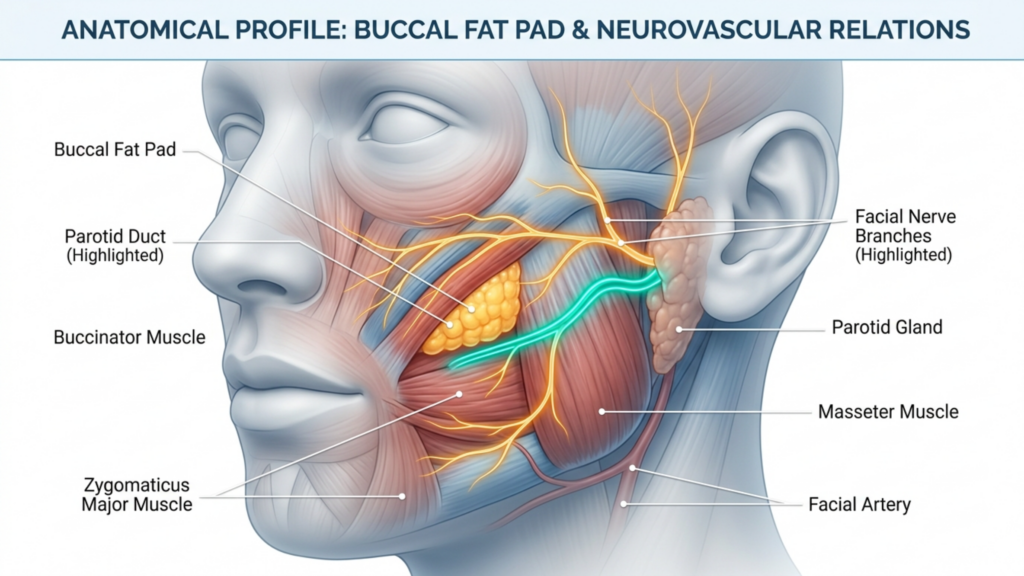
The buccal fat pad, located in the cheek, lies in close proximity to two critical structures: the parotid duct (Stensen’s duct) and the buccal branch of the facial nerve. Damage to either can lead to severe complications:
- Parotid Duct Injury: The parotid duct, responsible for saliva drainage, is vulnerable during bichectomy. Lacerations or crush injuries to this duct can result in sialocele (saliva collection) or sialoadenitis (gland inflammation), leading to chronic discomfort and potential infections. Studies indicate that parotid duct injuries occur in 0.1% to 0.3% of facial surgeries, but the risk escalates in inexperienced hands (International Journal of Surgery, 2025).
- Facial Nerve Damage: The buccal branch of the facial nerve controls facial expressions. Injury to this nerve can cause temporary or permanent paralysis of the perioral muscles, leading to asymmetry, drooping, or difficulty in facial movements. Research highlights that buccal nerve injuries are among the most common complications of bichectomy, with rates varying between 1% and 5% depending on surgical technique (ScienceDirect, 2025).
- Hematoma and Asymmetry: Postoperative bleeding can lead to hematoma formation, causing swelling, pain, and potential asymmetry. Hematomas are reported in 8.45% to 18% of bichectomy cases, often due to inadequate compression or vascular trauma (Springer, 2025).
Why These Complications Are Often Overlooked
Bichectomy is frequently marketed as a simple, low-risk procedure, but this perception is misleading. Here’s why complications are underreported:
- Lack of Standardized Reporting: Many complications, such as minor nerve injuries or hematomas, resolve spontaneously and are not formally documented. This creates a false sense of safety.
- Surgeon Experience Variability: Bichectomy is often performed by surgeons with varying levels of expertise. Inexperienced surgeons may underestimate the complexity of the anatomy, increasing the risk of duct or nerve damage.
- Patient Selection Bias: Ideal candidates for bichectomy are those with moderate buccal fat pads and symmetrical facial structures. However, the procedure is increasingly performed on patients with thin faces or pre-existing asymmetries, exacerbating risks.
A 2025 systematic review published in MedNEXT Journal of Medical and Health Sciences revealed that asymmetry and hematoma are the most frequently reported complications, followed by nerve injuries and parotid duct damage. The study emphasized that preoperative imaging and meticulous surgical planning are essential to minimize these risks.
Evidence-Based Strategies to Minimize Risks
To ensure patient safety and optimal outcomes, surgeons must adopt a multidisciplinary approach that includes preoperative assessment, intraoperative precision, and postoperative care.
1. Preoperative Assessment
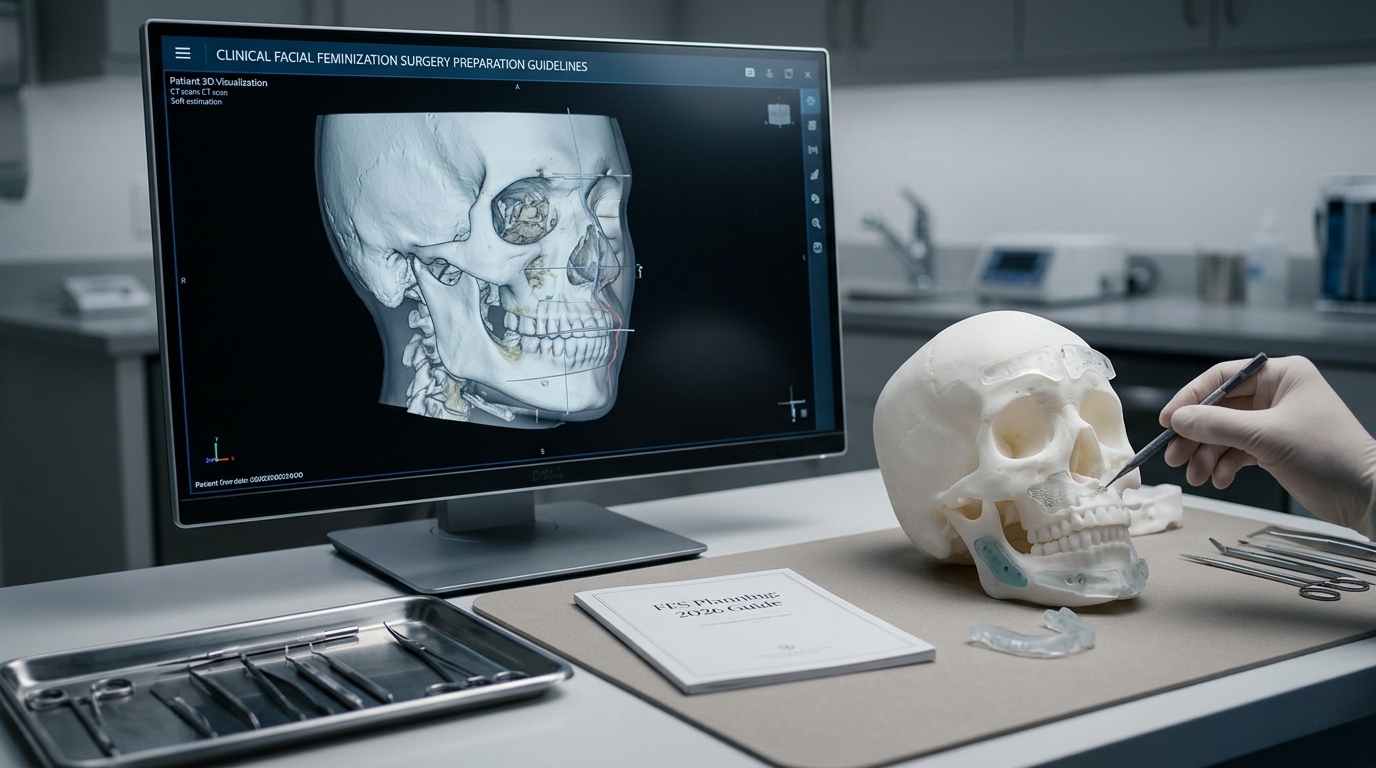
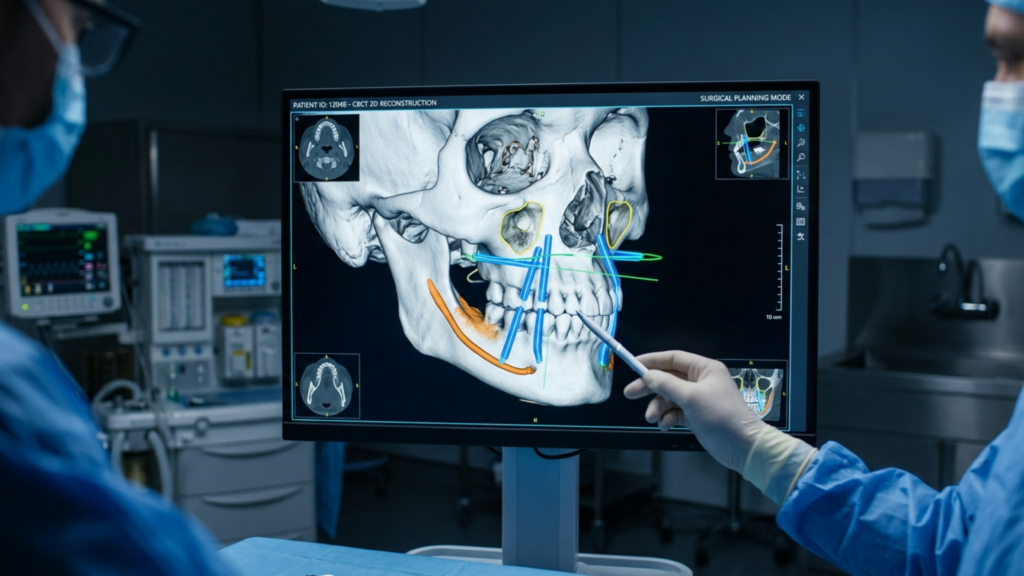
- 3D Imaging: Utilize cone-beam computed tomography (CBCT) or MRI to map the buccal fat pad, parotid duct, and facial nerve branches. This allows for precise surgical planning and reduces the risk of unintended injuries.
- Patient-Specific Risk Stratification: Identify high-risk patients, such as those with pre-existing asymmetries, thin facial structures, or a history of nerve disorders. These patients may require alternative procedures like fat grafting instead of bichectomy.
- Informed Consent: Ensure patients understand the risks of parotid duct injury, nerve damage, and asymmetry. Discuss the potential for temporary or permanent complications.
2. Intraoperative Precision
- Anatomical Landmarks: Use the Stensen’s duct and buccal nerve as guides during dissection. The duct is typically located 1–2 cm inferior to the zygomatic arch, while the buccal nerve runs parallel to it.
- Minimally Invasive Techniques: Opt for endoscopic or intraoral approaches to minimize tissue trauma and improve visualization of critical structures.
- Hemostasis: Achieve meticulous hemostasis to prevent hematoma formation. Use bipolar cautery and compression dressings to control bleeding.
3. Postoperative Care
- Monitoring: Observe patients for signs of nerve dysfunction (asymmetry, drooping) or parotid duct injury (swelling, saliva leakage) in the first 48 hours.
- Compression Therapy: Apply compression garments to reduce swelling and prevent hematoma formation.
- Follow-Up: Schedule follow-up visits at 1 week, 1 month, and 3 months to assess symmetry, nerve function, and duct integrity.
Alternatives to Bichectomy: Safer Options for Facial Contouring
For patients at high risk of complications, alternative procedures can achieve similar aesthetic goals without the associated risks:
- Fat Grafting: Instead of removing fat, autologous fat transfer can enhance cheek definition while preserving natural contours and avoiding nerve or duct injuries.
- Non-Surgical Options: Radiofrequency treatments or high-intensity focused ultrasound (HIFU) can temporarily reduce cheek fullness without surgery.
- Combined Procedures: For patients with midface hypoplasia, orthognathic surgery (e.g., Le Fort I osteotomy) can improve facial balance while addressing functional concerns like airway patency.
The Role of Surgeon Expertise in Mitigating Risks
The success of bichectomy hinges on the surgeon’s anatomical knowledge, technical skill, and adherence to safety protocols. Surgeons specializing in facial feminization surgery (FFS) or maxillofacial procedures are often better equipped to navigate the complexities of bichectomy due to their experience with delicate facial structures.
Dr. Mehmet Fatih Okyay, a European & Turkish Board Certified Plastic Surgery Specialist, emphasizes that “bichectomy is not a one-size-fits-all procedure. Patient selection, preoperative imaging, and surgical precision are non-negotiable for minimizing risks.” His clinic, Dr. MFO Clinic, employs 3D virtual planning and intraoperative nerve monitoring to enhance safety and outcomes.
Conclusion: Balancing Aesthetics and Safety
Bichectomy can transform facial aesthetics, but its risks—particularly to the parotid duct and facial nerve—demand careful consideration. Patients must prioritize surgeon expertise, preoperative planning, and postoperative care to mitigate complications. For those at high risk, alternatives like fat grafting or non-surgical contouring may offer safer paths to achieving desired results.
By adopting a patient-centered, evidence-based approach, the aesthetic goals of bichectomy can be harmonized with functional and anatomical safety, ensuring both beauty and well-being.

Frequently Asked Questions
What are the most common complications of bichectomy?
The most common complications include hematoma (8.45% to 18% of cases), facial asymmetry, and injuries to the parotid duct or buccal branch of the facial nerve. These risks can be minimized with precise surgical techniques and thorough preoperative planning.
How can I reduce the risk of nerve damage during bichectomy?
Choosing a surgeon with extensive experience in facial procedures is critical. Preoperative 3D imaging and intraoperative nerve monitoring can further reduce risks. Discuss your concerns with your surgeon to ensure personalized safety measures.
What should I do if I experience asymmetry after bichectomy?
Postoperative asymmetry may resolve as swelling subsides. However, if it persists, consult your surgeon immediately. Early intervention, such as physical therapy or revision surgery, may be necessary to correct the issue.
Are there non-surgical alternatives to bichectomy?
Yes, alternatives include fat grafting, radiofrequency treatments, and high-intensity focused ultrasound (HIFU). These options can enhance facial contouring without the risks associated with surgery.
How long does it take to recover from bichectomy?
Recovery typically takes 1–2 weeks, with full results visible in 3–6 months. Follow your surgeon’s postoperative care instructions, including compression therapy and follow-up visits, to ensure a smooth recovery.
What are the signs of parotid duct injury after bichectomy?
Symptoms include swelling near the cheek or jaw, saliva leakage, or a bitter taste in the mouth. If you notice these signs, contact your surgeon immediately for evaluation and treatment.
Can bichectomy cause permanent facial paralysis?
While rare, permanent paralysis can occur if the buccal branch of the facial nerve is severely damaged. Choosing a skilled surgeon and adhering to safety protocols significantly reduces this risk.