By 2026, global advanced plastic surgery has turned into a high-stakes competition between South Korea and Turkey. Seoul has long held the crown for aesthetic innovation, but Istanbul has rapidly closed the gap, pairing high-tech medical infrastructure with far lower costs.
Still, there is a crucial question most patients overlook: if you are planning complex, high-impact procedures like facial feminization, bone contouring, or gender-affirming surgery, which country actually gives you the safest, most patient-focused experience?
It takes much more than comparing price tags or hospital reputations. You have to look closely at clinical infrastructure, surgical expertise, and post-operative support when precision is non-negotiable. Below, we break down Seoul’s tech-driven Gangnam district, Istanbul’s medical tourism setup, and the hidden risks clinics rarely talk about upfront. If you are early in your planning stages, take a moment to review our comprehensive medical tourism checklist as well.
The Technological Edge: Seoul’s Precision vs. Istanbul’s Innovation
South Korea’s main advantage lies in its deep technological integration. Walk into any top clinic in Seoul’s Gangnam district, and you will find AI-driven 3D surgical planning, robotic assistants, and real-time intraoperative imaging. Research published in PRS Global Open shows that about 89% of facial bone contouring procedures in Seoul now leverage AI planning, cutting human error by roughly 40% compared to traditional methods. For procedures like facial feminization (FFS)—where a single millimeter alters both aesthetics and basic function—that degree of accuracy is a game-changer.
Istanbul, though, is catching up fast. Top centers are combining AI tools with endoscopic techniques to keep incisions small and speed up recovery times. Where Turkey really stands out is in regenerative medicine. Techniques like nanofat grafting and stem cell-enriched lipofilling are now routine in premier facilities, helping tissue heal faster while looking entirely natural. That makes a tangible difference in procedures like body feminization, where tissue health matters just as much as the structural work beneath it.
Clinical Infrastructure: Safety, Standards, and Surgeon Expertise
When it comes to safety, South Korea relies on strict centralized oversight. The Korean Ministry of Health and Welfare mandates official accreditation for plastic surgery clinics, backed by annual audits that scrutinize infection control, emergency equipment, and doctor credentials.
Turkey operates on a private hospital model where accreditation from the Joint Commission International (JCI) is voluntary, though standard among top-tier institutions. Data from the International Society of Aesthetic Plastic Surgery (ISAPS) highlights that JCI-accredited Turkish clinics report a 22% lower complication rate in complex procedures like genioplasty and rhinoplasty compared to non-accredited centers. Overall complication rates remain low across both regions, hovering around 1.8% in Seoul and 1.5% in Turkey’s JCI-accredited facilities.
Surgical background also shapes the patient experience. South Korean surgeons excel in East Asian facial aesthetics. Turkish specialists, on the other hand, frequently train across European and Middle Eastern surgical traditions. That broader perspective is a major asset for international patients seeking facial masculinization (FMS) or body feminization, where ethnic variations and structural nuances require a flexible approach. Check out our deep dive on customizing gender-affirming facial surgery to learn more.
The Medical Tourism Experience: Cost, Convenience, and Cultural Sensitivity
Turkey’s medical tourism infrastructure runs like clockwork. Destinations like Istanbul and Antalya offer end-to-end packages covering everything from the procedure itself to hotel accommodations, airport transfers, and personal care coordinators. A standard breast augmentation in Turkey usually costs 60% to 70% less than in Seoul without sacrificing clinical quality. Many specialized clinics offer complete transformation packages built specifically around gender-affirming care, bundling pre-op assessments, surgical fees, aftercare, and luxury recovery stays for a fraction of Western or South Korean prices.
South Korea prioritizes speed and technical efficiency. Gangnam clinics routinely handle consultations and operations on tight schedules, which works well if you want a fast turnaround. However, navigating language barriers and cultural differences can feel overwhelming for non-Asian patients. Turkish facilities, equipped with dedicated multilingual teams, often provide a warmer, more emotionally supportive environment for patients undergoing intense transformations like FFS or top surgery.
Volume Trends: Which Country Handles More Complex Cases?
South Korea leads the world in overall procedure volume, performing well over 1 million cosmetic operations annually. But Turkey experienced a 40% surge in advanced surgical procedures between 2023 and 2026, shifting global demand toward different specialized areas. While Seoul remains the go-to for double eyelid surgery, rhinoplasty, and jaw reduction, Istanbul has become a prime destination for gender-affirming care, body contouring, and complex facial reconstruction.
A report from the American Society of Plastic Surgeons (ASPS) indicates that Turkey now handles roughly 35% of global FFS procedures, surpassing traditional hubs like Thailand and Brazil. A major driver behind this trend is Turkey’s holistic approach to care: clinics integrate mental health guidance, hormone therapy support, and long-term aftercare directly into their surgical programs. In contrast, Seoul’s clinical culture remains heavily centered on aesthetic refinement.
Patient Safety: The Unspoken Risks and How to Avoid Them
While both nations offer world-class care, they come with distinct operational risks. In South Korea, high patient volume sometimes translates into overworked surgical teams. An investigative report by Korea JoongAng Daily connected 12% of complications in Gangnam clinics to surgeon fatigue caused by back-to-back operations. In Turkey, the main concern isn’t surgeon workload, but rather unaccredited budget clinics that cut corners on safety equipment to market impossibly low prices.
To protect yourself, keep these practical steps in mind:
Confirm official accreditation through JCI in Turkey or the Ministry of Health in South Korea.
Verify your doctor’s specific board certifications and experience with your exact procedure, especially for delicate surgeries like FFS.
Ask clinics directly for their documented complication rates for your planned procedure.
Avoid rigid, cookie-cutter packages that don’t tailor the surgical plan to your personal anatomy.
Ensure your clinic provides 24/7 post-operative nursing care and clear remote support once you fly home. You can read our post-surgery travel recovery guide for additional aftercare tips.
The Verdict: Which Country Should You Choose?
Your decision ultimately comes down to your personal aesthetic goals, budget, and desired support structure.
Consider South Korea if:
You want cutting-edge AI surgical planning and maximum technical precision.
Your procedure focuses on East Asian facial features, such as V-line jaw contouring or double eyelid creation.
You prefer a swift, efficient clinical process with brief hospital stays.
Consider Turkey if:
You are seeking gender-affirming surgery, extensive facial feminization, or full-body contouring.
You value an all-inclusive, culturally sensitive environment with multilingual staff.
You want to incorporate regenerative options like stem-cell lipofilling to support recovery.
You prefer a luxury recovery environment at a significantly lower overall cost.
Your Next Steps: A 2026 Action Plan
If you are ready to start planning your journey, here is a structured approach:
Define your primary goal: Clarify whether you want subtle aesthetic adjustments or a full gender-affirming transformation.
Shortlist accredited facilities: Focus exclusively on verified medical centers with documented safety credentials.
Schedule virtual consultations: Speak directly with attending surgeons, review before-and-after cases similar to your starting anatomy, and ask about their specific complication rates.
Organize your travel and recovery: Give yourself plenty of downtime. Coastal cities like Antalya or historical hubs like Istanbul offer peaceful recovery settings, while Gangnam puts you right in the heart of Seoul’s bustling medical district.
Set up long-term aftercare: Make sure your surgical team offers virtual follow-up check-ins once you return home, including coordination for any ongoing hormone therapy or routine medical monitoring.
Frequently Asked Questions
What makes Turkey a strong option for gender-affirming surgeries compared to South Korea?
Turkish clinics often take a broader, more holistic approach to gender-affirming care. Facilities combine surgery with hormone guidance, psychological support, and tailored aftercare. Turkish surgeons also bring extensive experience working with diverse global anatomical features, which helps when planning highly individualized FFS or body feminization procedures.
How do plastic surgery costs compare between Turkey and South Korea?
Procedures in Turkey are generally 60% to 70% less expensive than in South Korea without lowering clinical standards. A full facial feminization procedure (FFS) that costs $10,000–$15,000 in Turkey can easily exceed $30,000 in Seoul. Turkey’s all-inclusive packages also wrap accommodations, transfers, and post-op care into one price.
What are the main risks associated with high-volume clinics in South Korea?
The biggest issue in high-volume Gangnam clinics is surgeon burnout. High patient turnaround can lead to surgical fatigue. You can minimize this risk by asking how many procedures your surgeon performs daily and verifying their accreditation with the Korean Ministry of Health.
Why does JCI accreditation matter for clinics in Turkey?
JCI accreditation demonstrates that a private clinic meets strict global benchmarks for safety, sterilization, and emergency management. Facilities holding JCI accreditation report significantly lower complication rates in complex procedures compared to unaccredited competitors.
How does cultural sensitivity affect the patient experience?
Turkish clinics cater heavily to international medical tourists, offering multilingual teams and personalized coordinator support. In South Korea, language barriers and cultural differences can sometimes make the process feel more transactional for international patients, especially during sensitive procedures.
What regenerative medicine options are available in Turkey?
Top Turkish clinics regularly integrate nanofat grafting, stem cell-enriched lipofilling, and PRP (platelet-rich plasma) into surgical plans. These treatments promote faster tissue healing, reduce noticeable scarring, and yield smoother, more natural contours during facial and body procedures.
How can I verify a surgeon’s credentials in either country?
In Turkey, check for European and Turkish Board certifications. In South Korea, confirm that the doctor is board-certified through the Korean Ministry of Health and Welfare. Always review before-and-after cases that match your specific anatomical starting point.
What kind of post-operative care should I expect?
In Turkey, premium clinics provide dedicated recovery stays, around-the-clock nursing support, and ongoing virtual follow-ups. South Korean clinics deliver efficient immediate post-op care, though long-term remote check-ins should be verified and arranged prior to your trip.
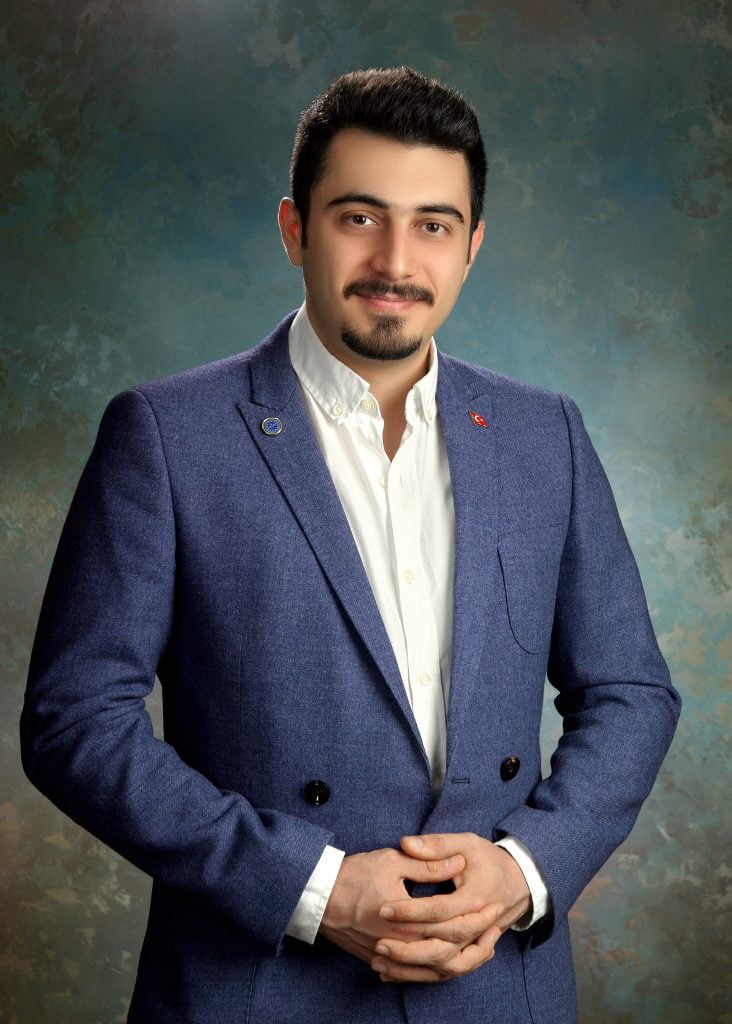
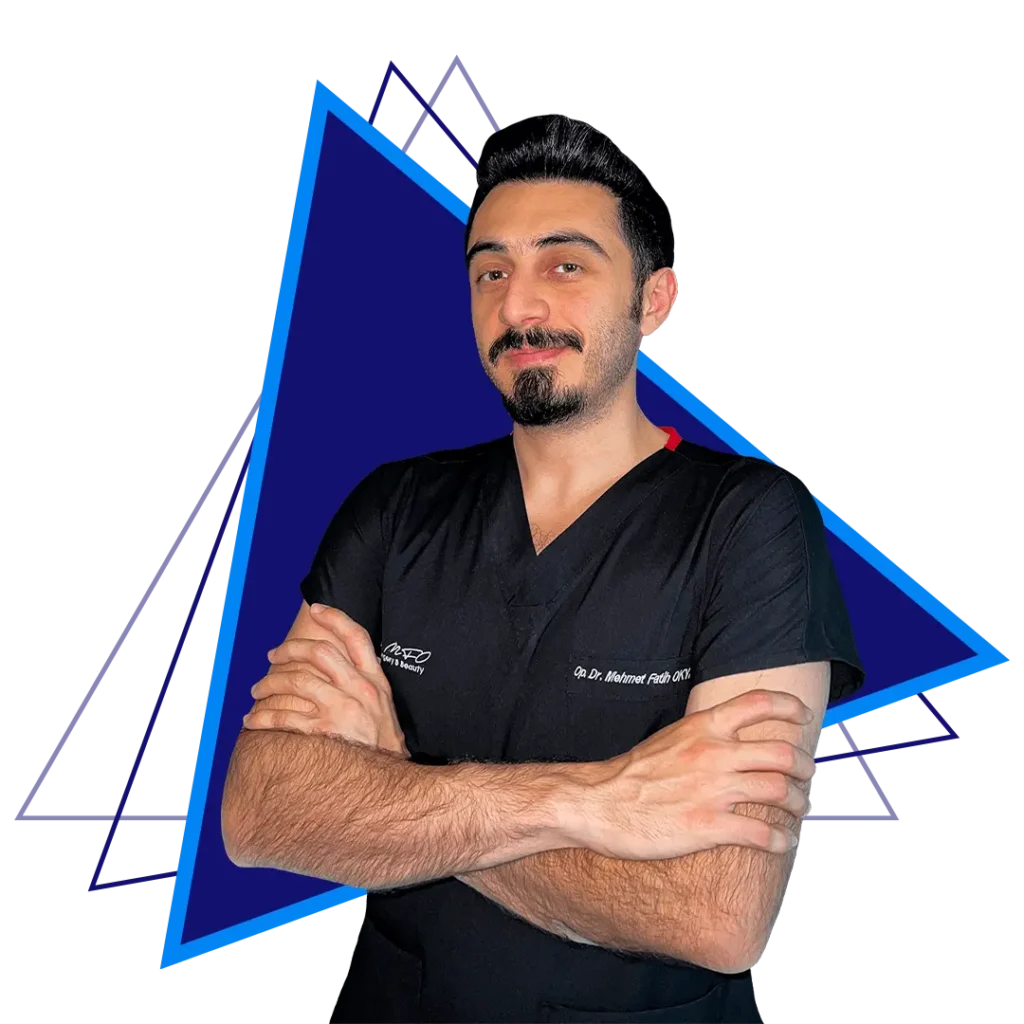
Most individuals searching for “dr mfo” encounter a fragmented digital landscape of clinical bullet points and impersonal hospital listings. You are not merely seeking a surgeon; you are seeking a transformation architect who understands the delicate balance between bone structure and personal identity. Dr. Mehmet Fatih Okyay, widely recognized as Dr. Mfo, represents a rare convergence of European board-certified rigor and a patient-centric philosophy rooted in the serene environment of Antalya, Turkey. This guide dissects the clinical excellence and the unique methodological approach that defines his practice, moving beyond generic descriptions to offer a perspective you won’t find on standard medical directories.
The journey to aesthetic alignment requires more than technical skill; it demands a surgeon who views the face as a cohesive narrative rather than a collection of isolated features. By the end of this definitive guide, you will possess a comprehensive understanding of the surgical scope, the advanced techniques employed at the Dr. MFO Clinic, and the safety protocols that prioritize patient outcomes above all else.
Mehmet Fatih OKYAY European Board Certified
What is Dr Mfo? Defining the Surgical Scope
Dr. Mehmet Fatih Okyay, known professionally as dr mfo, is a European and Turkish Board Certified Plastic Surgery Specialist based in Antalya, Turkey. His practice is not just a medical facility; it is a specialized center where surgical precision meets artistic vision. Unlike the conventional approach where surgeons generalize across dozens of procedures, Dr. Mfo has cultivated a focused expertise in facial transformation, body contouring, and breast aesthetics. His credentials include fellowships from both the European Board of Plastic, Reconstructive & Aesthetic Surgery and the Turkish Board, obtained in 2018, signaling a dual-continent standard of excellence.
The philosophy behind the Dr. MFO Clinic is built on the concept of “Hidden Paradise”—utilizing the therapeutic environment of Antalya to enhance physical recovery with mental tranquility. This geographical advantage is paired with a multilingual practice, offering services in English, Spanish, and French, ensuring that international patients receive clear, academic-level communication regarding their procedures. When you engage with dr mfo, you are accessing a practice that integrates surgical mastery with a deep understanding of international patient needs.
His personal interests in songwriting, poetry, and classical guitar might seem distant from the operating room, but they inform a surgeon’s eye for harmony and proportion. This multidisciplinary background allows dr mfo to approach facial feminization and masculinization not just as bone reshaping, but as a process of revealing the patient’s true aesthetic identity. The clinic’s affiliation with the International Society of Aesthetic Plastic Surgery (ISAPS) further cements its position as a global destination for high-stakes aesthetic surgery.
Techniques and Approaches: Beyond the Standard
The surgical techniques associated with dr mfo are characterized by a refusal to rely on outdated 2014-era methodologies. In the realm of facial contouring, particularly in procedures like forehead contouring, the approach is defined by meticulous planning and advanced imaging. While many surgeons still use standard 2D X-rays, Dr. Mfo employs 3D CT scans and cone-beam computed tomography (CBCT) to map the intricate network of nerves and bone density. This ensures that every osteotomy line is drawn with millimeter precision, safeguarding vital structures like the mental and inferior alveolar nerves.
Advanced Bone Reshaping and Nerve Preservation
A critical differentiator in the practice of dr mfo is the utilization of piezoelectric surgery. Traditional rotary instruments generate heat and lack the sensitivity to differentiate between bone and soft tissue. Piezoelectric tools, however, use ultrasonic vibrations to cut bone while sparing nerves and blood vessels. This technology is indispensable during genioplasty surgery, where the mental nerve’s proximity to the surgical site requires an additional layer of safety. This method drastically reduces the risk of temporary or permanent numbness, a common complaint in standard jaw and chin contouring procedures.
Furthermore, the Dr. MFO Clinic integrates intraoperative nerve monitoring (IONM) for complex cases. This real-time feedback loop allows the surgical team to detect subtle changes in nerve function immediately, enabling instant adjustments to technique. This level of vigilance transforms a high-risk procedure into a controlled, predictable outcome. The focus is always on preserving the integrity of speech, sensation, and the natural expressions that make each face unique.
Facial Masculinization and Feminization
Whether addressing facial masculinization surgery or feminization, the methodology remains consistent: respect for anatomical limits and a commitment to natural results. Dr. Mfo avoids the “over-operated” look by analyzing the patient’s skeletal structure and soft tissue quality. For instance, in jaw reduction procedures, the goal is not just to remove bone, but to create a harmonious transition between the mandible and the neck, ensuring the result looks inherent rather than constructed.
The integration of endoscopic techniques for temporal and cheek lifts further exemplifies this modern approach. By using small incisions and cameras, dr mfo minimizes scarring and reduces recovery times. This is particularly vital for patients traveling from the United States, India, or the United Kingdom, where downtime must be minimized without compromising the surgical result. The practice’s high and stable search volume is a testament to these successful patient outcomes and the trust placed in his surgical hands.
Choosing dr mfo is not merely a surgical decision; it is a logistical and emotional one. The clinic operates on a model where the patient’s journey is as important as the operation itself. Located in the “Hidden Paradise” of Antalya, the facility offers a seamless blend of medical care and hospitality. This environment is crucial for recovery, as stress reduction is directly linked to faster healing and better aesthetic results. The team, fluent in multiple languages, ensures that every query regarding dr mfo clinic protocols is answered with transparency and expertise.
Safety approvals and international standards are not just badges on a wall; they are the framework of daily operations. From the initial consultation to the aftercare phase, the process is designed to eliminate uncertainty. Patients receive detailed recovery protocols, including specific dietary guidelines and activity restrictions, all tailored to their specific surgical plan. This structured approach ensures that the 893 estimated monthly clicks seeking information on dr mfo find a pathway to a safe and successful transformation.
Recovery and Long-Term Outcomes
The true measure of dr mfo’s expertise lies in the longevity of his results and the minimal complication rates. Recovery from complex procedures like rhinoplasty or body feminization is managed through a proprietary aftercare program. This includes nanofat injection techniques to promote tissue healing and scar treatment protocols that begin immediately post-operation. The goal is to ensure that the investment made in surgery yields a lifetime of confidence, rather than a temporary aesthetic change.
Patients often report that the most challenging part of the journey is the waiting period for swelling to subside. Dr. Mfo manages these expectations through realistic digital simulations and honest consultations. He emphasizes that while the “dr mfo” brand is associated with high-quality results, the patient’s adherence to aftercare instructions is the final piece of the puzzle. This partnership between surgeon and patient creates a feedback loop of success, reflected in the high satisfaction surveys and media recognition the clinic receives.
Frequently Asked Questions
What makes dr mfo different from other plastic surgeons?
Dr. Mfo distinguishes himself through dual European and Turkish board certifications and a specialized focus on facial transformation. His use of piezoelectric surgery and 3D imaging ensures a level of precision that minimizes risks to facial nerves, a standard not universally adopted by general plastic surgeons.
How does dr mfo ensure safety during jaw contouring?
Safety is maintained through advanced preoperative CBCT scans that map the mandibular canal and mental nerve. During surgery, Dr. Mfo utilizes piezoelectric instruments that cut bone without damaging soft tissue and often employs intraoperative nerve monitoring to receive real-time feedback on nerve health.
Is it safe to travel to Antalya for surgery with dr mfo?
Yes, Antalya is a major international hub with excellent medical tourism infrastructure. The Dr. MFO Clinic provides comprehensive aftercare and support, ensuring that international patients from the US, UK, or India have a seamless recovery experience in a controlled, serene environment.
What is the typical recovery time for procedures performed by dr mfo?
Recovery varies by procedure; however, thanks to minimally invasive techniques like endoscopic lifts, many patients resume light activities within two weeks. Dr. Mfo provides a detailed, personalized recovery timeline that prioritizes long-term healing over rapid return to work.
Does dr mfo handle revision surgeries?
Yes, Dr. Mfo is often sought for revision surgeries due to his expertise in complex facial structures. His meticulous approach to scar treatment and tissue restructuring makes him a preferred choice for patients seeking to correct or enhance previous surgical outcomes.
Struggling with stubborn lower abdominal fat that resists diet and exercise? You’re not alone. For many, this area remains a persistent challenge, often due to genetics, aging, or post-pregnancy changes. In 2026, two surgical procedures stand out for targeting this concern: liposuction and the mini tummy tuck. But which one is right for you? This guide provides a definitive comparison, helping you make an informed decision based on your body goals, recovery capacity, and long-term expectations.
Understanding the Core Problem: Why Lower Abdominal Fat Is Stubborn
The lower abdomen is a common trouble zone because it often accumulates visceral fat—fat stored deep within the abdominal cavity, surrounding vital organs. Unlike subcutaneous fat (found just beneath the skin), visceral fat is metabolically active and resistant to traditional weight loss methods. Additionally, factors like:
Genetic predisposition to fat storage in the lower belly,
Skin laxity due to aging or significant weight loss,
Weakened or separated abdominal muscles (diastasis recti).
—complicate the issue. Surgical intervention becomes necessary when diet and exercise fail to deliver the desired contour. But not all procedures are equal. Liposuction and mini tummy tucks address different aspects of this problem, and choosing the wrong one can lead to disappointment or even additional surgeries.
Liposuction: Precision Fat Removal Without Skin Tightening
Liposuction is a body contouring procedure designed to remove localized fat deposits through suction. It excels at targeting subcutaneous fat—the layer just beneath the skin—but does not address skin laxity or muscle separation. Here’s what you need to know:
How Liposuction Works for Lower Abdominal Fat
During the procedure, a surgeon makes small incisions near the target area and inserts a thin tube called a cannula. The cannula breaks up fat cells, which are then suctioned out. Modern techniques like VASER liposuction (ultrasound-assisted) or laser liposuction enhance precision and reduce recovery time.
Key Benefits:
Minimal scarring due to small incisions.
Quick recovery—most patients return to work within a week.
Customizable contouring for natural-looking results.
Effective for isolated fat pockets in otherwise toned individuals.
While liposuction is highly effective for fat removal, it does not tighten loose skin or repair separated muscles. If your lower abdomen has significant skin laxity—common after pregnancy or major weight loss—liposuction alone may leave you with a “deflated” appearance. Additionally, it is not a weight-loss solution but rather a body sculpting tool.
Patients seeking fat removal without muscle repair.
Mini Tummy Tuck: Fat Removal Plus Skin and Muscle Tightening
A mini tummy tuck (or mini abdominoplasty) is a less invasive version of a full tummy tuck, focusing solely on the lower abdomen. It combines fat removal with skin tightening and, if necessary, muscle repair. This makes it ideal for those with:
Mild to moderate skin laxity in the lower belly.
Diastasis recti (separated abdominal muscles).
Localized fat deposits resistant to diet and exercise.
How a Mini Tummy Tuck Works
The procedure involves a single incision along the bikini line, through which the surgeon removes excess fat and skin. If needed, the abdominal muscles are tightened with sutures. Unlike a full tummy tuck, the mini version does not address the upper abdomen, making it less invasive with a shorter recovery.
Key Benefits:
Dual action: Removes fat and tightens skin/muscles.
Shorter recovery compared to a full tummy tuck (2–3 weeks).
A mini tummy tuck is not suitable for individuals with significant skin laxity or fat deposits in the upper abdomen. It also requires a slightly longer recovery than liposuction, with more restrictions on physical activity during the healing process.
Ideal Candidates for a Mini Tummy Tuck:
Those with mild to moderate lower abdominal skin laxity.
Patients with diastasis recti or muscle separation.
Individuals seeking both fat removal and skin tightening.
Liposuction vs. Mini Tummy Tuck: A Side-by-Side Comparison
Factor
Liposuction
Mini Tummy Tuck
Primary Goal
Fat removal only
Fat removal + skin/muscle tightening
Skin Laxity
Does not address
Tightens loose skin
Muscle Repair
No
Yes (if diastasis recti present)
Incisions
Small, multiple
Single, along bikini line
Recovery Time
1 week
2–3 weeks
Scarring
Minimal
Hidden but slightly longer
Best For
Good skin elasticity, isolated fat
Mild skin laxity, muscle separation
Which Procedure Is Right for You? A Decision-Making Guide
Choosing between liposuction and a mini tummy tuck depends on your unique anatomy and goals. Use this checklist to evaluate your candidacy:
Step 1: Assess Your Skin Elasticity
Pinch the skin on your lower abdomen. If it snaps back quickly, your skin elasticity is good, and liposuction may suffice. If it stays tented or sags, a mini tummy tuck is likely the better option.
Step 2: Check for Muscle Separation
Lie on your back and lift your head slightly. If you see a vertical bulge or gap between your abdominal muscles, you have diastasis recti. This condition requires muscle repair, which only a mini tummy tuck can provide.
If fat is concentrated in the lower abdomen and your upper abdomen is flat, a mini tummy tuck can address both fat and skin. If fat is evenly distributed or you have good skin tone, liposuction may be sufficient.
Step 4: Consider Your Recovery Timeline
Liposuction offers a quicker recovery, ideal for those with busy schedules. A mini tummy tuck requires more downtime but delivers comprehensive results. Prioritize your long-term goals over short-term convenience.
Step 5: Consult a Board-Certified Surgeon
Self-assessment is helpful, but a professional evaluation is critical. A board-certified plastic surgeon can analyze your anatomy, discuss your goals, and recommend the safest, most effective procedure. They may also suggest combining techniques for optimal results.
Recovery and Results: What to Expect
Liposuction Recovery
Most patients return to work within 3–7 days. Bruising and swelling subside over 4–6 weeks, with final results visible at 3 months. Compression garments are worn for several weeks to support healing.
Mini Tummy Tuck Recovery
Recovery takes 2–3 weeks, with full activity resuming at 6 weeks. Swelling may persist for months, but results continue to improve over time. Scars fade significantly within a year when properly cared for.
Long-Term Maintenance
Both procedures deliver permanent fat removal, but maintaining results requires a stable weight and healthy lifestyle. Significant weight fluctuations can compromise your outcome.
All surgeries carry risks, but choosing a skilled surgeon and following pre- and post-operative instructions significantly reduces complications. Common risks include:
Infection: Minimized with proper wound care and antibiotics.
Bleeding/Hematoma: Reduced by avoiding blood thinners pre-surgery.
Scarring: Managed with silicone sheets or laser treatments post-surgery.
Numbness: Usually temporary, resolving within months.
Asymmetry: Corrected with revision surgery if necessary.
Your surgeon will provide detailed guidelines to ensure a smooth recovery and optimal results.
Real Patient Stories: Before and After
Visual evidence speaks volumes. Explore before-and-after galleries to see how liposuction and mini tummy tucks have transformed real patients. Note the differences in skin tightness, waist definition, and overall contour.
Frequently Asked Questions
Can liposuction tighten loose skin?
No, liposuction removes fat but does not address skin laxity. If you have loose skin, a mini tummy tuck or full abdominoplasty is recommended.
How long do mini tummy tuck results last?
Results are permanent if you maintain a stable weight. Significant weight gain or pregnancy can alter your outcome.
Is a mini tummy tuck less risky than a full tummy tuck?
Yes, a mini tummy tuck is less invasive, with fewer risks and a shorter recovery compared to a full tummy tuck.
Can I combine liposuction with a mini tummy tuck?
Yes, many surgeons combine both procedures for enhanced contouring and skin tightening. This approach is ideal for patients with both fat deposits and mild skin laxity.
What is the ideal weight for these procedures?
You should be within 10–15 pounds of your goal weight. These procedures are not weight-loss solutions but body contouring tools.
How do I prepare for surgery?
Your surgeon will provide specific instructions, but generally, you should avoid smoking, blood thinners, and certain supplements for at least two weeks before surgery. Stay hydrated and maintain a healthy diet to optimize healing.
Ready to take the next step? Schedule a consultation with a board-certified surgeon to discuss your options and create a personalized treatment plan.
The landscape of global healthcare in 2026 presents a stark reality: escalating medical costs in Western nations force countless individuals to defer essential treatments. Patients in the US and UK face prohibitive expenses for dental, cardiac, and plastic surgery procedures, often coupled with extended waiting lists.
Medical tourism emerges as a powerful solution, offering access to world-class care at a fraction of the domestic price. This comprehensive 2026 guide meticulously compares the cost-effective treatments available in Turkey, Thailand, and Mexico, empowering international patients to make informed decisions about their medical journey.
Navigating the complexities of international medical travel demands precise information. This article dissects the financial advantages and logistical considerations of each premier destination. We provide transparent breakdowns for popular procedures, ensuring you understand the true savings potential without compromising on quality care.
The decision to seek medical treatment abroad is significant. It requires confidence in both the medical expertise and the overall patient experience. Our analysis extends beyond mere price tags, evaluating the factors that contribute to a successful and satisfying medical tourism outcome. Discover how thousands are already transforming their health and finances by choosing these leading medical hubs.
Why Medical Tourism Thrives in 2026: A Global Shift
The surge in medical tourism is not coincidental; it reflects a global shift in healthcare accessibility and economics. Advanced medical facilities in countries like Turkey, Thailand, and Mexico now rival, and often surpass, those found in more expensive regions. This evolution is driven by several key factors.
Unmatched Cost Efficiency: Procedures costing tens of thousands in the US or UK are often available for a fraction overseas, without sacrificing quality.
Cutting-Edge Technology: International hospitals invest heavily in the latest medical technologies and adhere to stringent international standards.
Specialized Expertise: Many destinations boast highly specialized surgeons and medical teams with extensive experience in specific procedures.
Reduced Waiting Times: Access to immediate care eliminates the frustrating delays common in public healthcare systems.
Integrated Travel Experience: Many clinics offer comprehensive packages, including accommodation, transfers, and post-operative support, streamlining the patient’s journey.
These combined advantages position medical tourism as a pragmatic choice for those prioritizing both health and financial prudence. The global healthcare landscape has truly democratized access to high-quality, affordable treatments.
Turkey: Europe’s Premier Destination for Cost-Effective Excellence
Turkey has solidified its reputation as a leading medical tourism hub, particularly for patients from Europe and the Middle East. Its strategic location, advanced infrastructure, and highly skilled medical professionals make it an attractive option. Istanbul and Antalya host numerous internationally accredited hospitals and clinics.
Dental Procedures: Significant Savings on Smiles
Dental treatments in Turkey offer remarkable value. A full set of dental implants, for instance, can cost up to 70% less than in the US or UK. Veneers, crowns, and other restorative procedures also present substantial savings. Clinics utilize state-of-the-art technology and offer comprehensive packages.
Plastic Surgery: Aesthetic Transformations at Accessible Prices
For plastic surgery, Turkey stands out. Procedures like rhinoplasty, breast augmentation, and liposuction are performed by experienced surgeons at highly competitive rates. Patients receive personalized care in modern facilities, often combining their treatment with a recovery vacation.
Hair Transplants: World-Renowned Expertise
Turkey is globally recognized for its expertise in hair restoration. Thousands travel annually for FUE and DHI hair transplant procedures, benefiting from advanced techniques and significantly lower costs compared to Western clinics. The results consistently meet international standards.
Thailand: Asia’s Beacon for World-Class Medical Care
Thailand has long been a pioneer in medical tourism, attracting patients worldwide with its exceptional service, luxurious facilities, and highly trained medical staff. Bangkok and Phuket are home to many JCI-accredited hospitals, offering a blend of medical excellence and renowned hospitality.
Complex cardiac surgeries, including bypass operations and valve replacements, are performed with high success rates in Thailand. The cost of heart surgery can be 50-65% less than in Western countries, making life-saving treatments accessible to a broader population. Post-operative care is meticulous.
Dental Excellence: Comprehensive Oral Health Solutions
Thai dental clinics provide a full spectrum of services, from routine check-ups to advanced cosmetic dentistry. Dental crowns, bridges, and full mouth restorations are offered at prices that represent substantial savings, often with shorter waiting periods and personalized treatment plans.
Plastic and Reconstructive Surgery: Artistry and Affordability
Thailand is a preferred destination for various plastic and reconstructive surgeries. From facial procedures to body contouring, patients benefit from the expertise of internationally trained surgeons. The blend of high-quality results and competitive pricing makes it a compelling choice for aesthetic enhancements.
Mexico: North America’s Convenient & Cost-Effective Choice
For patients in North America, Mexico offers unparalleled convenience and significant cost savings. Border cities like Tijuana, along with major hubs like Cancun and Guadalajara, have developed robust medical tourism infrastructures. Proximity to the US border makes travel straightforward for many.
Bariatric Surgery: A Path to Health and Wellness
Mexico is a global leader in bariatric surgery, including gastric sleeve and gastric bypass procedures. These life-changing operations are available at a fraction of the cost in the US, often with comprehensive pre- and post-operative support programs. Patients achieve significant health improvements.
Dental Care: High-Quality, Accessible Treatments
Mexican dental clinics are renowned for their high standards and affordability. Procedures such as root canals, dental implants, and cosmetic bonding are performed by skilled dentists using modern equipment. The cost savings can be substantial, making advanced dental care attainable.
Plastic Surgery: Expert Care Close to Home
Plastic surgery in Mexico provides an excellent alternative for those seeking aesthetic enhancements without the high price tag. Procedures range from facelifts to tummy tucks, all performed by board-certified surgeons in accredited facilities. The convenience of travel enhances its appeal.
2026 Procedure-Specific Cost Comparison: US/UK vs. Top Destinations
Understanding the precise cost differences is crucial for planning your medical journey. The following table provides an estimated comparison for popular procedures in 2026. These figures represent average costs and can vary based on clinic, surgeon, and specific patient needs.
These figures clearly illustrate the substantial financial advantages of seeking medical care in these international destinations. The savings often cover travel and accommodation, still leaving a significant surplus compared to domestic costs.
Navigating the “Hidden Costs” of Medical Travel
While the direct medical costs are significantly lower, a comprehensive understanding of all expenses is essential. “Hidden costs” are not always hidden, but rather often overlooked components of the overall medical travel budget. Account for these to ensure a smooth experience.
Flights and Accommodation: Research and book these well in advance for better rates. Many clinics offer package deals.
Visa and Travel Insurance: Confirm visa requirements for your chosen destination. Comprehensive travel insurance, including medical evacuation, is non-negotiable.
Local Transportation: Budget for airport transfers, clinic visits, and any leisure travel.
Food and Personal Expenses: Daily living costs vary by country. Plan accordingly.
Post-Operative Care and Medications: Factor in the cost of follow-up appointments and prescribed medications, both abroad and upon return.
Translator Services: While many medical staff speak English, a dedicated translator can enhance communication and comfort.
Thorough planning for these ancillary expenses ensures your medical tourism journey remains cost-effective and stress-free. A detailed budget prevents unexpected financial burdens.
Choosing Your Destination: Beyond the Price Tag
Selecting the right medical tourism destination involves more than just comparing prices. Prioritize factors that guarantee safety, quality, and a positive patient experience. Your health is paramount; therefore, due diligence is critical.
Accreditation and Quality Approvals: Verify that hospitals and clinics hold international accreditations, such as JCI (Joint Commission International). This signifies adherence to global healthcare standards.
Surgeon Experience and Credentials: Research your surgeon’s qualifications, experience in your specific procedure, and patient testimonials. Board certification is a must.
Language and Communication: Ensure effective communication with your medical team. Many clinics offer multilingual staff or dedicated translators.
Cultural Fit and Support: Consider the cultural environment and the level of support provided by the clinic, including pre- and post-operative care coordination.
Patient Reviews and Testimonials: Seek out authentic feedback from previous international patients to gauge overall satisfaction and outcomes.
A holistic approach to selection ensures you receive not only affordable but also exceptional medical care. Your well-being depends on a well-researched decision.
Your Next Step Towards Affordable Healthcare
The opportunity to access high-quality, affordable medical procedures in 2026 is within reach. By understanding the cost comparisons and planning meticulously, you can embark on a successful medical tourism journey. Do not let prohibitive domestic costs delay your essential treatments.
Take control of your healthcare decisions today. Contact us now to discuss your specific needs and explore personalized treatment plans in Turkey, Thailand, or Mexico. Your path to better health and significant savings begins here.
Frequently Asked Questions
How much can I save on medical procedures through medical tourism in 2026?
Patients can typically save between 50% to 70% on various medical procedures, including dental, cardiac, and plastic surgery, when choosing destinations like Turkey, Thailand, or Mexico compared to costs in the US or UK.
Which procedures are most popular for medical tourism?
Popular procedures for medical tourism include dental implants, veneers, rhinoplasty, breast augmentation, hair transplants, heart bypass surgery, and bariatric procedures like gastric sleeve surgery.
What are the top medical tourism destinations for 2026?
Turkey, Thailand, and Mexico are consistently ranked among the top medical tourism destinations for 2026 due to their high-quality care, experienced surgeons, and significantly lower costs.
Are there ‘hidden costs’ in medical tourism?
While direct medical costs are lower, patients must budget for ‘hidden costs’ such as flights, accommodation, travel insurance, local transportation, food, and post-operative care. Comprehensive planning mitigates these.
How do I ensure the quality of care when traveling for medical treatment?
Ensure quality by choosing internationally accredited hospitals (e.g., JCI), researching surgeon credentials and experience, reviewing patient testimonials, and verifying the clinic’s post-operative support.
Is medical travel insurance necessary?
Yes, comprehensive medical travel insurance, including coverage for medical emergencies and potential evacuation, is highly recommended for all medical tourism patients to ensure peace of mind and financial protection.
For individuals embarking on the transformative journey of feminization, breast augmentation stands as a cornerstone procedure, profoundly impacting overall body contour and personal identity. This surgical enhancement extends beyond mere aesthetic preference; it is a vital step in aligning one’s physical presentation with an affirmed feminine self, fostering immense psychological well-being and confidence. However, navigating the myriad choices involved in breast augmentation—from the type of implant and incision site to the precise placement technique—can be a complex undertaking. Each decision is deeply personal and critically influenced by individual anatomical characteristics, desired outcomes, and lifestyle considerations.
The field of breast augmentation has witnessed remarkable advancements, moving towards highly personalized approaches that prioritize natural-looking results, optimal safety, and streamlined recovery. Modern patients increasingly seek enhancements that not only boost self-esteem but also integrate seamlessly with their active lives, ensuring the results feel and move authentically. This shift underscores a collective desire for subtlety and harmony, where the outcome complements the body’s natural proportions rather than dramatically altering them. The innovations extend to advanced implant materials that mimic natural breast tissue, refined surgical techniques that preserve natural movement, and cutting-edge planning technologies that allow for unprecedented precision.
This comprehensive guide delves into the intricate surgical aspects of choosing implants for feminization, offering a deep-dive into the critical factors that shape a successful outcome. We will meticulously examine the distinct characteristics of saline and silicone implants, exploring their composition, feel, safety profiles, and implications for long-term results. Beyond traditional implants, the growing role of fat transfer as a complementary or standalone augmentation method will be discussed, highlighting its benefits for nuanced contouring and natural enhancement. Understanding the various incision sites—inframammary, periareolar, and transaxillary—is crucial, as each presents unique advantages and considerations regarding visibility of scarring and surgical access. Similarly, the choice of implant placement, whether subglandular (over the muscle) or submuscular (under the chest muscle), including the sophisticated dual-plane technique, significantly impacts the aesthetic outcome, tactile feel, and recovery experience.
Moreover, the article will illuminate the transformative impact of advanced preoperative planning, specifically the utilization of three-dimensional (3D) imaging technology. These sophisticated tools empower surgeons to visualize potential results with remarkable accuracy and tailor the surgical strategy to each patient’s unique anatomy, fostering realistic expectations and enhancing communication. We will also address the critical intraoperative considerations, emphasizing how meticulous surgical technique, combined with a deep understanding of anatomical nuances, minimizes risks and optimizes safety. The journey does not conclude with surgery; therefore, a detailed overview of post-operative recovery protocols, including Enhanced Recovery After Surgery (ERAS) principles and advanced pain management techniques, will be provided. Finally, we will underscore the paramount importance of selecting a highly qualified and experienced plastic surgeon, one whose expertise encompasses both the art of aesthetic feminization and the science of reconstructive precision. By exploring these multifaceted surgical considerations, this guide aims to empower individuals with the knowledge necessary to make informed decisions, ultimately leading to a harmonious, confident, and authentically feminized self.
Understanding Breast Implants: Saline Versus Silicone for Feminization
The fundamental choice between saline and silicone implants is often the first significant decision a patient faces in breast augmentation for feminization. Both types offer distinct advantages and considerations that directly influence the aesthetic outcome, tactile feel, and long-term experience (Clinique-K, 2025). Making an informed choice requires a thorough understanding of each implant’s composition, characteristics, and implications.
Saline Breast Implants: Adjustable Volume and Clear Safety
Saline implants consist of a silicone shell filled with sterile saline solution—essentially saltwater. A key characteristic of saline implants is their adjustability during surgery. They are typically inserted empty, and the surgeon then fills them to the desired volume once they are in place (Clinique-K, 2025). This allows for precise adjustments to achieve optimal symmetry and size during the procedure itself. If a rupture occurs, the body naturally absorbs the saline solution, posing minimal health risks.
However, saline implants can sometimes feel firmer and less natural to the touch compared to silicone. They may also be more prone to visible rippling, especially in patients with very little natural breast tissue or thin skin, as the fluid inside can shift. Despite these considerations, their perceived safety profile regarding rupture and the ability for intraoperative adjustment make them a suitable choice for many individuals seeking breast feminization.
Silicone Breast Implants: Natural Feel and Advanced Cohesive Gel
Silicone breast implants are pre-filled with a cohesive silicone gel, specifically designed to mimic the natural feel and texture of breast tissue (Clinique-K, 2025). This characteristic makes them a highly popular choice for patients prioritizing a realistic appearance and touch. Modern advancements have led to the development of highly cohesive, “gummy bear” implants, which maintain their shape even if the implant shell is compromised (Dr. Adrian Lo, 2025). This innovative gel technology prevents the silicone from spreading if a rupture occurs, addressing earlier safety concerns.
The natural feel and lower incidence of visible rippling often lead to higher patient satisfaction with silicone implants. However, detecting a rupture with silicone implants can be more challenging, sometimes requiring imaging like an MRI for diagnosis (Clinique-K, 2025). Despite this, rigorous safety testing and improved shell materials have significantly enhanced the long-term reliability and integrity of modern silicone implants, making them a safe and effective option for breast feminization (Dr. Adrian Lo, 2025).
Beyond Implants: Fat Transfer for Natural Augmentation and Contouring
While saline and silicone implants remain the primary methods for breast augmentation, fat transfer has emerged as a valuable alternative or complementary technique, especially for those seeking a more subtle and natural enhancement (Clinique-K, 2025). This method leverages the body’s own tissues, offering unique benefits for contouring and softening breast aesthetics.
The Process of Autologous Fat Grafting
Fat transfer breast augmentation involves a three-step process: harvesting, purification, and injection. First, excess fat is gently removed from donor areas on the patient’s own body, such as the abdomen, flanks, or thighs, using liposuction (Clinique-K, 2025). This step offers the added benefit of body contouring in the donor areas. The harvested fat is then carefully processed and purified to isolate healthy fat cells from oils, fluids, and damaged cells.
Finally, the purified fat is meticulously injected into specific areas of the breasts using small cannulas. The surgeon strategically places the fat to enhance volume, improve shape, and create smooth, natural transitions (Dr. Adrian Lo, 2025). Because it utilizes the patient’s own living tissue, the results can be remarkably soft and natural-feeling.
Benefits and Combination Procedures
One of the primary advantages of fat transfer is its ability to create very natural-looking results, as it uses the patient’s own tissue (Clinique-K, 2025). It is particularly well-suited for women desiring a modest increase in breast size, improved cleavage, or correction of minor asymmetries. Fat grafting can also be used in combination with implants to soften implant edges, camouflage any rippling, or enhance overall breast contour, creating seamless transitions and a more integrated appearance (Dr. Adrian Lo, 2025).
However, fat transfer typically provides a more modest volume increase compared to implants. Multiple sessions may be necessary to achieve significant size augmentation, as a percentage of the transferred fat cells may not survive (Clinique-K, 2025). Despite this, for patients prioritizing a natural feel and discreet enhancement, or seeking to refine contours around implants, fat transfer is an increasingly sophisticated and valuable tool in breast feminization surgery.
Incision Sites: Navigating Surgical Pathways for Breast Feminization
The choice of incision site for breast augmentation is a crucial decision, as it influences surgical access, potential scarring, and recovery. Modern techniques aim to place incisions in discreet locations to minimize visibility while allowing the surgeon optimal access to create the implant pocket. The most common incision sites include the inframammary fold, the periareolar region, and the transaxillary (armpit) area (Clinique-K, 2025).
The Inframammary Fold Incision
The inframammary fold (IMF) incision is made in the natural crease beneath the breast. This is one of the most frequently used approaches due to several key advantages. It offers the surgeon direct and excellent visualization of the underlying anatomy, making it easier to create a precise implant pocket and ensure proper implant placement. The scar, typically 3-5 cm long, is usually well-hidden within the natural breast crease, becoming increasingly inconspicuous over time. (Clinique-K, 2025).
Furthermore, this incision avoids the nipple-areola complex and breast tissue, which can reduce the risk of changes in nipple sensation and interference with future breastfeeding, though this may not be a primary concern for all feminization patients. The primary disadvantage is the potential for a visible scar if the fold is not well-defined or if the incision is poorly placed. However, with expert surgical technique, the scar often blends remarkably well with the body’s natural lines.
The Periareolar Incision
The periareolar incision is made along the edge of the areola, typically at the junction where the pigmented skin meets the lighter breast skin. This approach is highly favored for its potential to create a very discreet scar, as the natural color transition of the areola helps to camouflage the incision line (Clinique-K, 2025). This can be particularly appealing for patients who prioritize minimal visible scarring on the breast itself.
While aesthetically appealing, the periareolar approach may involve cutting through breast tissue and potentially affecting milk ducts or nerves, which could theoretically impact nipple sensation (Dr. Adrian Lo, 2025). However, skilled surgeons employ careful techniques to minimize these risks. This incision offers good visualization for implant placement, especially for smaller to medium-sized implants, and is often chosen when combined with a breast lift.
The Transaxillary (Armpit) Incision
The transaxillary approach involves making a small incision in the armpit. The surgeon then uses advanced endoscopic equipment with specialized cameras and instruments to create the implant pocket and insert the implant (Dr. Adrian Lo, 2025). The most significant advantage of this technique is the complete absence of scars on the breast itself, as the incision is hidden in the natural folds of the armpit. This is often referred to as “scarless breast implant” placement.
While offering a highly discreet scar, the transaxillary approach can be more technically demanding for the surgeon and may offer less direct visualization compared to the inframammary approach. It typically requires extensive training and specialized equipment (Dr. Adrian Lo, 2025). It is generally suitable for smaller to moderate-sized implants and patients without significant breast sagging. The choice among these incision sites is a collaborative decision between the patient and surgeon, weighing the desired aesthetic outcome, anatomical considerations, and individual preferences for scar placement and visibility.
Implant Placement: Subglandular Versus Submuscular and Dual-Plane Techniques
The position of the breast implant relative to the pectoral muscle is a critical surgical consideration that significantly impacts the final aesthetic, tactile feel, and long-term results of breast feminization. The primary options are subglandular (over the muscle), submuscular (under the muscle), and the increasingly popular dual-plane technique, which combines aspects of both (Dr. Adrian Lo, 2025).
Subglandular (Over the Muscle) Placement
In subglandular placement, the implant is positioned directly beneath the breast glandular tissue and above the pectoral muscle. This technique is often associated with less post-operative pain and potentially faster recovery, as the muscle is not disrupted (Dr. Adrian Lo, 2025). The implant sits closer to the surface, which can allow for a fuller upper pole of the breast, desirable for some aesthetic goals.
However, this placement offers less natural tissue coverage over the implant. In patients with minimal existing breast tissue or thinner skin, the implant edges might be more palpable or visible, leading to a less natural feel or appearance. It may also increase the risk of capsular contracture and implant rippling (Dr. Adrian Lo, 2025).
Submuscular (Under the Muscle) Placement
Submuscular placement involves positioning the implant partially or entirely beneath the pectoral muscle. This approach provides a greater layer of tissue coverage over the implant, which can lead to a softer, more natural feel and appearance, particularly in the upper portion of the breast (Dr. Adrian Lo, 2025). The muscle coverage can also reduce the visibility of implant edges and may lower the risk of capsular contracture and rippling.
A drawback of submuscular placement can be increased post-operative pain and a longer recovery period due to muscle disruption. Additionally, during muscle contraction (e.g., while exercising), the implants may appear to move or distort, a phenomenon sometimes referred to as “animation deformity.”
Dual-Plane Technique: Combining Benefits
The dual-plane technique is a sophisticated approach that combines the advantages of both subglandular and submuscular placements. In this method, the upper portion of the implant is positioned under the pectoral muscle, while the lower portion sits under the breast glandular tissue (Dr. Adrian Lo, 2025). This strategic placement allows the muscle to cover the upper part of the implant, providing a smooth transition and reducing visibility, while the lower part of the implant sits freely, allowing for a natural drape and projection.
The dual-plane technique is highly valued for creating results that move more naturally with the body and often produce an ideal “tear-drop” shape without the need for anatomically shaped implants (Dr. Adrian Lo, 2025). It aims to minimize the disadvantages of both subglandular and submuscular approaches, offering excellent aesthetic results, reduced risks of palpable edges, and a natural feel. The choice of placement technique is highly individualized, based on the patient’s existing breast anatomy, skin elasticity, desired volume, and the surgeon’s recommendation to achieve the most harmonious feminization outcome.
Advanced Planning and Technology: Precision in Breast Feminization
The journey to successful breast feminization is significantly enhanced by cutting-edge preoperative planning and technology. These innovations move beyond traditional consultation methods, offering an unprecedented level of precision and patient engagement. The goal is to eliminate guesswork and create a clear, shared vision between the patient and surgeon, ensuring that the final outcome aligns perfectly with expectations and anatomical realities (Dr. Adrian Lo, 2025).
Three-Dimensional (3D) Imaging Technology
Three-dimensional imaging technology, such as the Vectra-Canfield system, has revolutionized breast augmentation planning. Patients can visualize their potential surgical results before the procedure even begins through sophisticated computer modeling (Dr. Adrian Lo, 2025). This process typically involves taking multiple photographs of the patient from various angles. Specialized software then processes these images to create an accurate 3D digital model of the patient’s body.
Within this virtual environment, surgeons can demonstrate how different implant sizes, shapes, and placement techniques will appear on the patient’s unique anatomy. This empowers patients to make informed decisions by seeing realistic previews of their potential results, thereby setting accurate expectations and ensuring alignment with their aesthetic goals. The technology helps to identify the optimal implant characteristics for individual body types, making the planning process highly personalized and precise (Dr. Adrian Lo, 2025).
Personalized Approaches Based on Body Frame Analysis
Modern breast augmentation emphasizes proportionality over simply maximizing size. Advanced planning incorporates a thorough body frame analysis, where plastic surgeons consider a patient’s chest width, shoulder measurements, and overall body frame to recommend appropriate implant sizes and shapes (Dr. Adrian Lo, 2025). This analytical approach ensures that the augmented breasts appear naturally proportioned and in harmony with the rest of the body, avoiding an “overdone” or unnatural look.
Factors such as hip width, waist size, and existing breast tissue density are all taken into account. This comprehensive evaluation ensures results that complement each patient’s unique physique and aesthetic desires. For instance, in cases of breast asymmetry, different implant sizes or shapes, sometimes complemented by fat grafting, may be used to create balanced and harmonious outcomes. This level of customization, driven by advanced technology and detailed analysis, is pivotal for achieving truly natural-looking breast feminization results (Dr. Adrian Lo, 2025).
Surgical Considerations and Minimizing Risks in Breast Feminization
While breast augmentation is generally a safe procedure, like any surgery, it carries potential risks and complications. Understanding these and knowing how to mitigate them is essential for both patient and surgeon (Clinique-K, 2025). A meticulous approach to surgical planning and execution, coupled with comprehensive patient education, are key to minimizing adverse outcomes and ensuring a smooth journey toward feminization.
Common Complications and How They Are Addressed
Potential complications associated with breast augmentation include infection, bleeding (hematoma), adverse scarring, and changes in nipple sensation. While rare, more specific implant-related issues can arise, such as capsular contracture, implant rupture, and breast implant illness (BII) (Clinique-K, 2025).
**Infection:** Although uncommon, infections can occur. Surgeons take stringent sterile precautions, and patients often receive prophylactic antibiotics. Any signs of infection post-surgery, such as persistent redness, warmth, increasing pain, or fever, should be reported immediately.
**Bleeding/Hematoma:** Post-operative bleeding leading to a collection of blood (hematoma) can cause swelling and discomfort. Careful surgical technique and post-operative monitoring help prevent this. In some cases, drainage may be required.
**Scarring:** While surgeons strive to place incisions discreetly, some scarring is inevitable. Scarring varies by individual healing characteristics and incision site. Advanced wound closure techniques and post-operative scar management (e.g., silicone sheeting, massage) help optimize scar appearance.
**Changes in Nipple Sensation:** Nerve pathways can be affected during surgery, potentially leading to temporary or, in rare cases, permanent changes in nipple sensation, ranging from increased sensitivity to numbness (Dr. Adrian Lo, 2025).
**Capsular Contracture:** This occurs when the scar tissue capsule that naturally forms around the implant tightens and hardens, causing the breast to feel firm, look distorted, and sometimes become painful. It is one of the most common long-term complications and can necessitate additional surgery (Clinique-K, 2025). While the exact cause is not fully understood, surgical techniques aiming for minimal trauma, appropriate implant placement, and certain post-operative massages may reduce its incidence.
**Implant Rupture:** Both saline and silicone implants can rupture. With saline implants, a rupture leads to immediate deflation as the saltwater is absorbed by the body. For silicone implants, especially cohesive gel types, the rupture might be “silent” (without obvious symptoms), and detection often requires imaging (Clinique-K, 2025). Modern silicone implants are designed to maintain their integrity even if the shell is compromised, preventing gel migration (Dr. Adrian Lo, 2025).
**Breast Implant Illness (BII):** Some patients report a range of systemic symptoms, including fatigue, joint pain, and cognitive issues, that they attribute to their breast implants. BII is not yet fully understood or medically recognized as a distinct disease, but concerns have led to increased awareness and research. Patients considering implants should discuss BII thoroughly with their surgeon.
Minimizing Risks: The Role of Expertise and Patient Adherence
The most crucial step in minimizing cosmetic surgery risks is selecting a reputable clinic and a board-certified plastic surgeon with extensive expertise in breast augmentation (Clinique-K, 2025). An experienced surgeon understands complex anatomy, employs meticulous surgical techniques, and can anticipate and manage potential complications. Their expertise extends to utilizing advanced planning tools and adhering to strict safety protocols.
Equally important is the patient’s active role in following all pre- and post-operative instructions carefully. This includes preparing adequately for surgery, adhering to medication schedules, maintaining proper wound care, and attending all follow-up appointments. By choosing a qualified specialist and committing to comprehensive care guidelines, patients can significantly enhance their safety and optimize their journey towards a successful and satisfying breast feminization outcome.
Post-Operative Recovery and Long-Term Management: Nurturing the Transformation
The post-operative period following breast feminization surgery is a crucial phase that demands patience, meticulous care, and a structured management plan. The journey extends beyond the operating room, with recovery timelines and experiences varying based on the complexity of the procedure, individual healing capacities, and adherence to post-operative instructions. Understanding what to expect during this period is vital for a smooth and successful outcome (Clinique-K, 2025).
Immediate Post-Operative Expectations and Timeline
Immediately after surgery, patients can anticipate significant facial swelling, bruising, and discomfort. Swelling is a natural physiological response to surgical trauma and is typically most pronounced during the first week, gradually subsiding over several weeks to months. While initial bruising usually resolves within 2 to 4 weeks, residual swelling, especially in areas of extensive soft tissue manipulation, can take up to a year for full resolution, revealing the final contours (Clinique-K, 2025).
Pain management is a primary focus during the initial recovery. Surgeons typically prescribe a combination of analgesics and anti-inflammatory medications. The diligent application of cold compresses can further aid in minimizing swelling and alleviating discomfort. Hospitalization is usually not required for routine breast augmentation, but close monitoring during the first 24-48 hours is standard, allowing for early detection and management of any potential complications (Dr. Adrian Lo, 2025).
Enhanced Recovery After Surgery (ERAS) Protocols
Modern breast augmentation often incorporates Enhanced Recovery After Surgery (ERAS) protocols, which are evidence-based approaches designed to optimize patient preparation, surgical techniques, and post-operative care (Dr. Adrian Lo, 2025). These protocols aim to accelerate recovery times, minimize discomfort, and improve overall patient experience. ERAS begins with thorough patient education prior to surgery, covering nutritional guidance, hydration strategies, and activity modifications.
During and after surgery, ERAS emphasizes multimodal pain management, often combining different types of medications, including long-acting local anesthetics, to achieve superior pain control while minimizing the reliance on opioids (Dr. Adrian Lo, 2025). This approach helps reduce side effects and allows for clearer thinking during recovery. Early mobilization and guidance on gradually increasing activity levels are also integral components, facilitating a faster return to normal daily routines while maintaining safety standards.
Specific Post-Operative Care and Long-Term Management
Specific post-operative care instructions are tailored to the individual and the procedures performed. Wearing a supportive surgical bra is crucial for several weeks to reduce swelling, provide stability, and support the healing breast tissues (Clinique-K, 2025). Patients are generally advised to avoid strenuous activities, heavy lifting, and anything that significantly elevates blood pressure for a period of 4-6 weeks to prevent stress on the healing incisions and implant pockets.
Head elevation, even during sleep, is often recommended to optimize lymphatic drainage and further reduce swelling. Regular follow-up appointments with the surgical team are essential to monitor healing progress, address any concerns, and ensure the long-term integrity of the augmentation. These check-ups typically include evaluations for potential complications like capsular contracture or implant rupture. In some cases, remote monitoring via smartphone applications or wearable devices can be used to track vital signs and healing progress, offering convenient supervision (Dr. Adrian Lo, 2025).
Long-term management also involves realistic expectations regarding the durability of results. While implants are designed to be long-lasting, they are not lifetime devices and may eventually require replacement or revision surgery due to aging, changes in body weight, or complications. Regular self-examination and adherence to recommended screening schedules (e.g., mammograms for breast cancer detection) are also important. Nurturing the transformation means committing to ongoing care and maintaining a healthy lifestyle, ensuring that the enhanced confidence and feminized aesthetic endure for many years to come.
Conclusion: The Strategic Imperative of Personalized Breast Feminization
The decision to undergo breast augmentation for feminization marks a significant and deeply personal commitment, serving as a pivotal step in achieving profound congruence between one’s inner identity and outward presentation. As this comprehensive guide has meticulously detailed, the journey is far from a simplistic choice; it is a strategic imperative demanding careful consideration of numerous interdependent factors. The ultimate success of breast feminization hinges upon a highly personalized approach, one that acknowledges and respects the unique anatomical blueprint of each individual, moving beyond generic ideals to sculpt results that are both authentically feminine and harmoniously integrated with the entire physique. We have explored the fundamental distinctions between saline and silicone implants, appreciating how their unique characteristics—from tactile feel and safety profiles to long-term implications—guide patient and surgeon decisions. Furthermore, the role of autologous fat transfer as a sophisticated tool for nuanced contouring and subtle enhancement has been highlighted, emphasizing its potential to create exceptionally natural and personalized outcomes, either as a standalone procedure or in conjunction with implants.
The surgical roadmap to breast feminization is further defined by the selection of incision sites and implant placement techniques. Each approach—be it the discreet inframammary, the camouflaged periareolar, or the innovative scarless transaxillary incision—offers distinct advantages and considerations that must be weighed against individual preferences and anatomical realities. Similarly, the choice between subglandular, submuscular, or the nuanced dual-plane placement profoundly impacts the aesthetic drape, natural movement, and palpable feel of the augmented breasts. These technical decisions are not isolated; rather, they are intricately woven into a larger strategic vision, where each element contributes to a cohesive and enduring feminized silhouette. The advancements in preoperative planning, particularly the integration of high-resolution 3D imaging technology and sophisticated virtual surgical planning systems, have revolutionized this strategic process. These tools empower both patients and surgeons to visualize potential outcomes with unprecedented accuracy, fostering realistic expectations and enabling the precise calibration of surgical maneuvers. This technological prowess, combined with a deep understanding of anatomical variations, is instrumental in minimizing risks and optimizing the predictability of outcomes.
Navigating the intraoperative challenges demands not only exceptional surgical skill but also an unwavering commitment to patient safety, particularly concerning the meticulous preservation of neurovascular structures and the adept management of potential complications such as capsular contracture or implant rupture. Post-operative recovery, often an intensive and protracted phase, necessitates a comprehensive and patient-centered management plan, emphasizing Enhanced Recovery After Surgery (ERAS) protocols, advanced pain management, and diligent adherence to aftercare instructions. This commitment to nurturing the transformation extends into long-term management, with regular follow-ups ensuring the sustained integrity and aesthetic appeal of the results. Ultimately, breast feminization surgery transcends mere physical alteration; it is a deeply affirming experience that significantly enhances psychological well-being, fosters improved self-esteem, and facilitates a more confident and authentic engagement with the world. The careful selection of a highly specialized and experienced plastic surgeon—one who embodies both artistic vision and technical mastery—is therefore the single most critical factor in achieving safe, functional, and profoundly transformative results. This ongoing dedication to precision, personalized care, and comprehensive outcomes will continue to define the evolution of this vital and empowering field, offering hope and tangible fulfillment for countless individuals seeking to realize their true selves.
Bibliography
Clinique-K. (2025, January 16). The Ultimate Breast Augmentation Guide for 2025. https://www.clinique-k.com/breast-augmentation-guide-2025/
Dr. Adrian Lo. (2025, August 25). Breast Augmentation Trends in 2025. https://www.dradrianlo.com/blog/breast-augmentation-trends-2025/
Considering FFS surgery? Explore the cost differences between the UK and Turkey. Our article compares pricing, quality of care, and recovery processes to help you make an informed decision about where to undergo your Facial Feminization Surgery. Learn more now! #FFSSurgery #FacialFeminization #UKvsTurkey
Planning FFS? Discover significant cost differences between Germany & Turkey. This article compares pricing, quality, and procedures to help you make an informed decision about your facial feminization surgery. Explore your options now! #FFSSurgery #FacialFeminization #Germany #Turkey
Considering FFS surgery? Explore significant cost differences between Europe and Turkey. Our detailed price comparison reveals substantial savings in Turkey while maintaining quality. Learn more and make an informed decision. #FFSSurgery #CosmeticSurgery #Turkey #Europe
Considering FFS in Turkey? Read real patient reviews, see stunning before & after results, and explore testimonials on our comprehensive guide. Discover the benefits, costs, and top surgeons. Plan your FFS journey with confidence. #FFSTurkey #FacialFeminizationSurgery
In “A Deep Dive into FFS Procedures Offered in the UK,” we explore the transformative world of Facial Feminization Surgery (FFS), which plays a crucial role in the gender affirmation journey for transgender women and non-binary individuals. FFS involves a series of surgical procedures designed to feminize the facial features, aligning one’s outward appearance with their gender identity and significantly enhancing self-confidence and emotional well-being. This blog aims to provide comprehensive and reliable information about the various aspects of FFS, including the types of procedures available, how to choose the right clinic, understanding the costs involved, and preparing for the surgery. Whether you are considering FFS for yourself or seeking information for a loved one, this guide offers valuable insights to help you make informed decisions.
What is FFS?
Facial Feminization Surgery (FFS) encompasses a range of surgical techniques specifically designed to modify masculine facial features to make them more feminine. Procedures such as brow lifts, rhinoplasty (nose reshaping), and jaw contouring are commonly performed to achieve a softer, more traditionally feminine appearance. Each FFS procedure targets different areas of the face, working together to create a harmonious and natural look that aligns with the individual’s gender identity. The goal of FFS is not just aesthetic enhancement but also to facilitate a deeper sense of gender congruence and personal authenticity. By understanding what FFS entails, individuals can better appreciate the profound impact these procedures can have on their lives.
Importance and Impact of FFS on Gender Affirmation and Self-Identity
The significance of Facial Feminization Surgery (FFS) extends beyond physical appearance; it profoundly influences gender affirmation and self-identity. For many transgender women and non-binary individuals, FFS represents a critical step in their transition, helping them to feel more comfortable and authentic in their bodies. The psychological benefits of FFS are well-documented, with many patients reporting increased self-esteem, reduced gender dysphoria, and greater social confidence. By aligning one’s physical features with their gender identity, FFS fosters a sense of belonging and acceptance, both internally and within the broader community. The impact of FFS on an individual’s mental and emotional well-being underscores the importance of these procedures in the overall gender affirmation process.
Common FFS Procedures and Techniques
Facial Feminization Surgery (FFS) includes a variety of procedures, each targeting specific facial features to enhance their feminine appearance. Common FFS procedures include:
Brow Lift: Elevates the eyebrows and smooths the forehead, creating a more youthful and feminine look.
Rhinoplasty: Reshapes the nose to achieve a more delicate and refined appearance.
Jaw Contouring: Reduces the width and angularity of the jaw, contributing to a softer facial profile.
Chin Reduction: Refines the chin to appear more rounded and less prominent.
Cheek Augmentation: Enhances the cheekbones for a fuller, more feminine contour.
Each of these procedures plays a vital role in achieving facial feminization, and they can be performed individually or in combination, depending on the patient’s needs and goals. Understanding the various FFS techniques helps individuals make informed decisions about their surgical options.
Choosing the Right Clinic in the UK
Selecting the right clinic for Facial Feminization Surgery (FFS) is a crucial step in the journey toward gender affirmation. When choosing a clinic, several factors should be considered to ensure a successful outcome. First and foremost, it is essential to select a clinic with experienced surgeons who specialize in FFS and have a proven track record of successful procedures. Patients should also consider the clinic’s reputation, patient reviews, and before-and-after photos to gauge the quality of care and results. Additionally, the clinic’s approach to patient care, including pre- and post-operative support, plays a significant role in the overall experience. Ensuring the chosen clinic prioritizes patient safety, comfort, and satisfaction will contribute to a positive and transformative FFS journey.
Understanding the Costs and Financing Options
Understanding the costs associated with Facial Feminization Surgery (FFS) is essential for individuals planning their gender affirmation journey. FFS procedures can vary in price depending on the complexity and number of surgeries performed. A comprehensive FFS plan may involve multiple procedures, each contributing to the overall cost. It is important to research and compare prices from different clinics to find an option that fits within one’s budget. Additionally, exploring financing options, such as payment plans or medical loans, can make FFS more accessible. In the UK, NHS coverage for FFS is limited, and patients may need to seek private treatment or consider medical tourism. By understanding the financial aspects of FFS, individuals can plan and manage their expenses effectively.
Pre-Surgery Preparations
Proper preparation is key to a successful Facial Feminization Surgery (FFS) experience. Pre-surgery preparations typically involve several steps, including consultations with the surgeon, medical evaluations, and psychological assessments. During consultations, patients can discuss their goals and expectations, ask questions, and receive personalized recommendations for their FFS plan. Medical evaluations ensure the patient is in good health and suitable for surgery. Psychological assessments help determine the patient’s readiness and emotional stability. Preparing for FFS also involves practical steps, such as arranging time off work, organizing post-operative care, and ensuring a support system is in place. Thorough preparation enhances the likelihood of a smooth and successful FFS journey.
What to Expect During and After Surgery
Knowing what to expect during and after Facial Feminization Surgery (FFS) can alleviate anxiety and help patients feel more prepared. During FFS, the patient will be under general anesthesia while the surgeon performs the planned procedures. The duration of the surgery depends on the number and complexity of the procedures involved. Post-operative care is crucial for a smooth recovery, and patients will receive detailed instructions on managing pain, swelling, and wound care. It is normal to experience discomfort, bruising, and swelling in the initial days following surgery, but these symptoms will gradually subside. Recovery time varies, with most patients returning to normal activities within a few weeks. Understanding the surgical process and recovery timeline helps patients set realistic expectations and plan accordingly.
Navigating Medical Tourism for FFS
For some individuals, medical tourism offers an alternative for accessing Facial Feminization Surgery (FFS) at a lower cost or with specialized expertise. Navigating medical tourism involves several considerations, including researching reputable clinics abroad, understanding the legal and medical regulations in the destination country, and planning for travel and accommodation. Patients should ensure the chosen clinic meets high standards of safety and quality care. Additionally, logistical arrangements, such as obtaining necessary documentation, booking flights, and organizing post-operative support, are crucial for a successful medical tourism experience. While medical tourism can offer significant cost savings, it is important to weigh the pros and cons and make informed decisions.
Enhancing Your Recovery and Results
Maximizing recovery and optimizing results after Facial Feminization Surgery (FFS) requires diligent care and adherence to post-operative guidelines. Patients should follow their surgeon’s instructions regarding medication, wound care, and activity restrictions. Proper nutrition, hydration, and rest are essential for healing. Gentle facial exercises and massage may be recommended to reduce swelling and improve mobility. Patients should avoid strenuous activities and exposure to direct sunlight during the initial recovery period. Regular follow-up appointments with the surgeon ensure progress is monitored and any concerns are addressed promptly. By taking proactive steps to enhance recovery, patients can achieve the best possible outcomes from their FFS procedures.
Supporting Your Journey
Emotional and psychological support is a vital component of the Facial Feminization Surgery (FFS) journey. Connecting with supportive communities, such as LGBTQ+ groups and online forums, provides a sense of belonging and shared experiences. Resources such as counseling, support groups, and educational materials can help individuals navigate the emotional aspects of their transition. Building a strong support system, including family, friends, and healthcare professionals, enhances resilience and well-being. Acknowledging and addressing the emotional challenges of FFS contributes to a holistic and positive experience. Supporting your journey with empathy and understanding ensures you are not alone in this transformative process.
Conclusion
In “A Deep Dive into FFS Procedures Offered in the UK,” we have explored the comprehensive and transformative nature of Facial Feminization Surgery (FFS). From understanding what FFS entails to choosing the right clinic, navigating costs, and preparing for surgery, this guide provides valuable insights for transgender women and non-binary individuals seeking gender affirmation. The importance of emotional support and community connection cannot be overstated, as they play a crucial role in the overall FFS experience. By arming yourself with knowledge and support, you can embark on your FFS journey with confidence and optimism. Whether you are considering FFS for yourself or supporting a loved one, this guide aims to empower you with the information needed to make informed decisions and achieve your gender affirmation goals.
Visit Dr.MFO Instagram profile to see real patient transformations! Get a glimpse of the incredible results achieved through facial feminization surgery and other procedures. The profile showcases before-and-after photos that highlight Dr. MFO’s expertise and artistic vision in creating natural-looking, beautiful outcomes.
Ready to take the next step in your journey? Schedule a free consultation with Dr. MFO ( Best Facial Feminization Surgeon for You) today. During the consultation, you can discuss your goals, ask any questions you may have, and learn more about how Dr. MFO can help you achieve your desired look. Don’t hesitate to take advantage of this free opportunity to explore your options and see if Dr. MFO is the right fit for you.