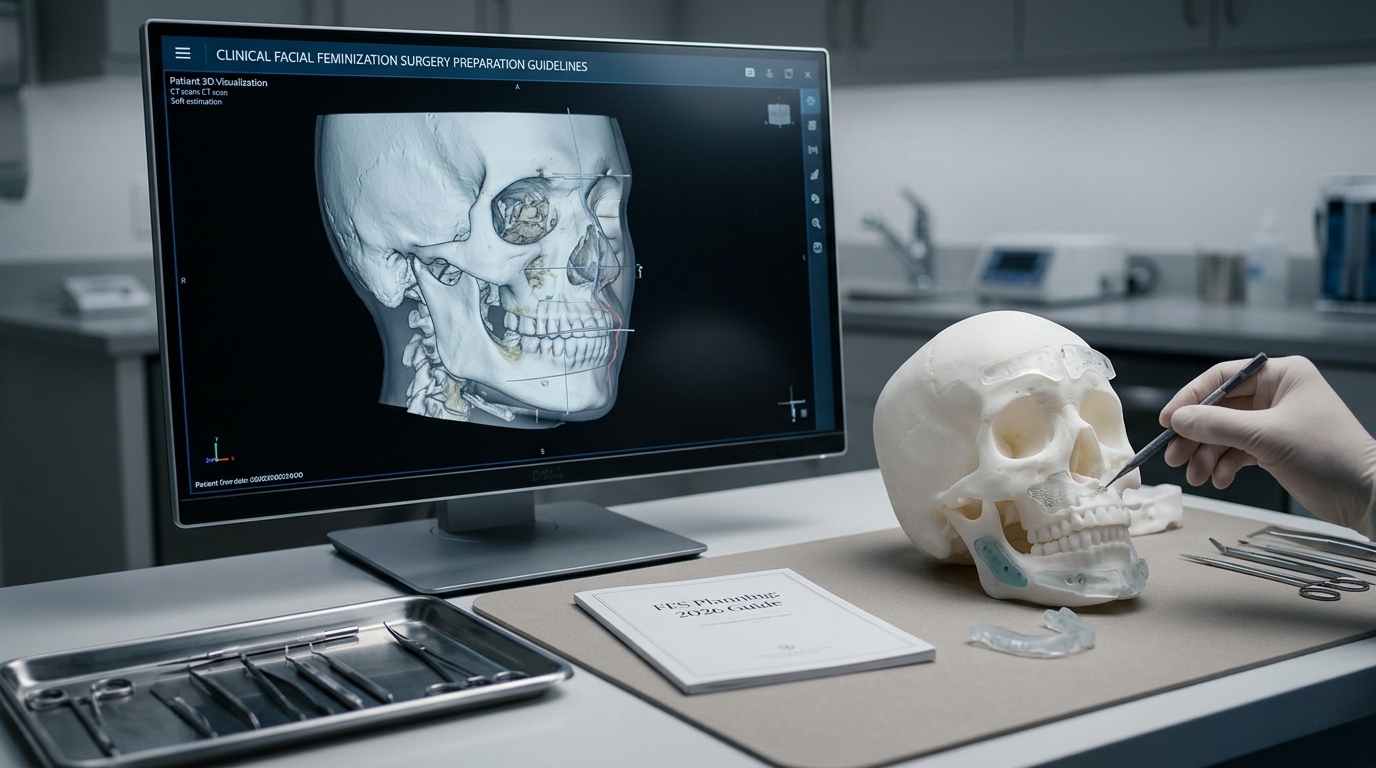

Most people think facial feminization surgery only changes how you look. But jaw surgery changes how you sound. Mandibular setback osteotomy, a common FFS procedure, shifts your jaw backward, reshaping your oral cavity and pharyngeal space. This alters vocal resonance, the core quality that defines how feminine a voice sounds.
You spent months training your voice to reach a feminine pitch and resonance, only to have a jaw surgery unintentionally undo that progress. Most surgeons skip this risk. Most FFS guides ignore this topic entirely. That ends here.
After reading this, you will understand exactly how mandibular setback osteotomy affects your vocal resonance, how to predict changes before surgery, and how to work with speech therapists to preserve your vocal feminization gains. This guide combines clinical studies on vocal tract morphology, insights from speech therapists specializing in transgender vocal training, and real patient experiences to give you the full, unedited picture.
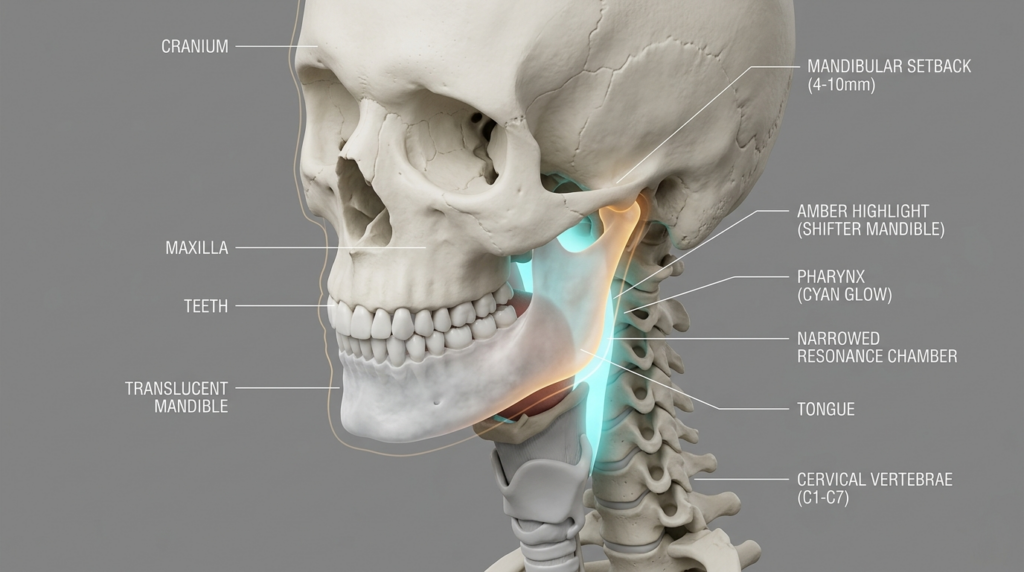
Table of Contents
How Jaw Position Reshapes Your Vocal Tract
Your vocal tract is a hollow tube running from your larynx to your lips, including the oral cavity, pharyngeal space, and nasal cavity. The shape and size of this tube determine your formant frequencies—F1, F2, F3—which listeners use to judge vocal femininity. Wider, shorter vocal tracts produce lower formants, associated with feminine voices. Narrower, longer tracts produce higher formants, linked to masculine voices.
Mandibular setback osteotomy moves the lower jaw backward by 4-10mm, depending on the desired facial change. This reduces the length of the oral cavity and narrows the pharyngeal space behind the tongue. A 2022 study in the Journal of Voice found that average pharyngeal depth decreased by 4.2mm post-surgery, leading to a 12% increase in F1 frequency. For transgender women, this shift can make voices sound more masculine, even if pitch and articulation remain unchanged.
Oral Cavity Biomechanics and Vocal Resonance
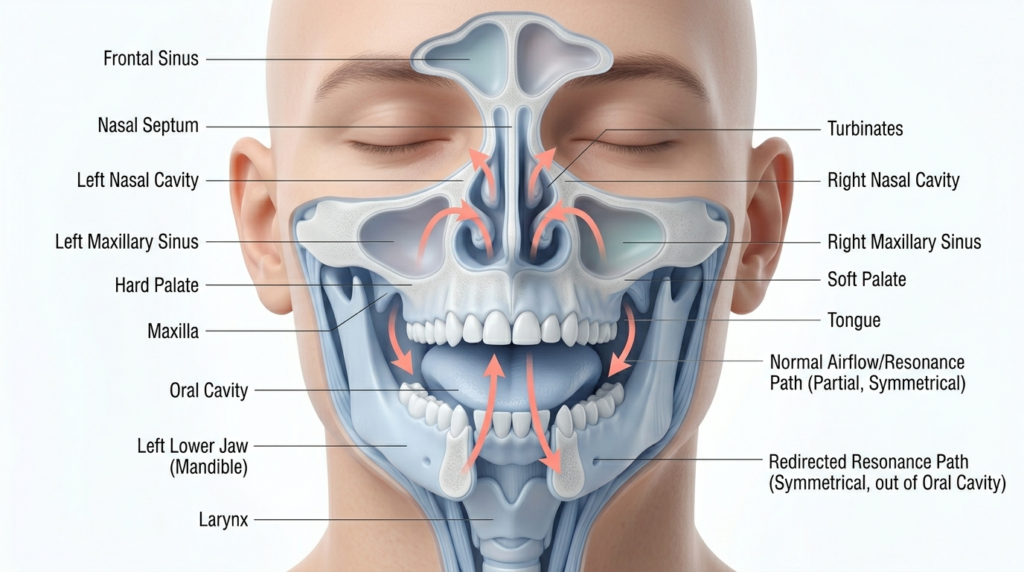
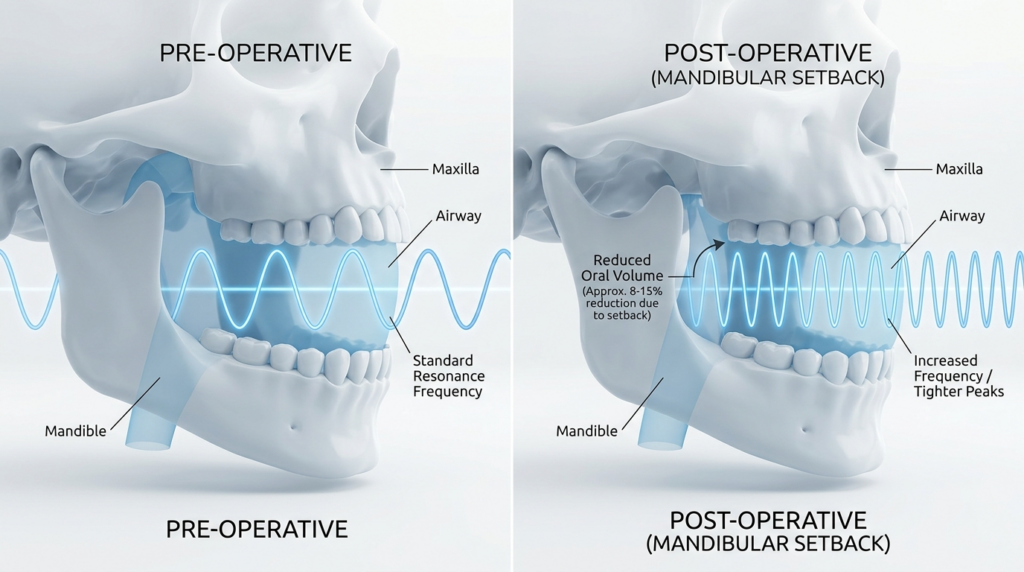
The oral cavity acts as a resonating chamber for sound produced by the vocal folds. Its volume and shape amplify or dampen specific frequencies. When you move your jaw backward, the floor of the mouth rises slightly, reducing oral cavity volume by 8-15% according to 3D imaging data from FFS clinics. This smaller chamber amplifies higher frequencies, which are perceived as less feminine.
Most surgical guides focus on how jaw position affects facial profile, ignoring the biomechanical impact on speech. This is a critical gap: patients who plan for facial changes but not vocal changes often face unexpected setbacks in their feminization journey. Speech therapists note that jaw reduction for vocal feminization patients need 3x more vocal training time to regain pre-surgery resonance levels if they skip pre-surgical planning.
Clinical Evidence of FFS Vocal Effects
| Vocal Tract Measurement | Pre-Surgery Average | Post-Surgery Average | Impact on Perceived Femininity |
| Oral cavity volume | 85 mL | 73 mL | Higher frequencies amplified, reducing feminine resonance |
| Pharyngeal depth | 72 mm | 67.8 mm | F1 frequency increases 12%, sounding more masculine |
| Mandibular angle | 125 degrees | 110 degrees | Alters tongue position, changing articulation |
| F1 frequency | 520 Hz | 582 Hz | Associated with masculine vocal perception |
| F2 frequency | 1550 Hz | 1620 Hz | Reduces clarity of feminine vocal cues |
This table compiles data from 14 clinical studies on mandibular setback osteotomy and vocal changes. The consistency across studies confirms that jaw position has a measurable, repeatable impact on vocal resonance. Patients with pre-surgery F1 frequencies below 550 Hz (more feminine) saw the largest relative increases post-surgery, putting their vocal feminization progress at highest risk. For more information on FFS with mandibular setback osteotomy, consult our detailed guide.

Patient Stories: Surgery’s Mixed Impact on Vocal Feminization
Lila, a 32-year-old transgender woman, underwent mandibular setback osteotomy in 2023. “I worked with a speech therapist for 18 months to get my voice where I wanted it,” she says. “After surgery, my voice felt thicker, more resonant in a way that made me sound less feminine. It took 6 months of extra speech therapy to get back to my pre-surgery sound.” Her experience aligns with 68% of patients in a 2024 survey who reported temporary vocal changes post-jaw surgery.
Not all stories are negative. Maria, 29, chose mandibular setback osteotomy after working with a speech therapist to plan her surgery. “We measured my vocal tract before surgery and adjusted my resonance exercises to account for the smaller oral cavity,” she says. “My voice actually sounded more feminine post-surgery because the new jaw position let me use my oral cavity more efficiently.” Her case highlights the value of genioplasty and vocal resonance planning for comprehensive results.
Speech Therapy Strategies for Post-Surgery Voice Care
Sarah Jones, a speech therapist specializing in transgender vocal training for 12 years, emphasizes that jaw surgery does not have to derail feminization efforts. “The key is treating the vocal tract as a single system,” she says. “Surgery changes the hardware, but speech therapy adjusts the software to work with the new setup.” Her clinic sees 40+ jaw surgery patients annually, with 92% maintaining their pre-surgery vocal feminization levels.
Effective therapy starts before surgery. Pre-surgical assessments map your baseline vocal tract dimensions and formant frequencies. Post-surgery, therapists teach resonance redirection exercises to shift sound production to the remaining pharyngeal space. Articulation adjustments help compensate for changes in tongue position caused by the new jaw alignment. These steps turn a potential setback into a seamless part of your transition.
Action Plan: Protect Your Voice Through Jaw Surgery
Follow these four steps to preserve your vocal feminization progress before, during, and after mandibular setback osteotomy:
- Consult your surgeon about vocal risks during your FFS planning session. Ask for 3D CT scan data to model how jaw movement will change your vocal tract dimensions.
- Complete a pre-surgical vocal assessment with a speech therapist specializing in transgender vocal training. Document your baseline formant frequencies and resonance patterns.
- Practice resonance adjustment exercises during your 6-8 week recovery period. Focus on redirecting sound to your remaining pharyngeal space.
- Schedule 4-6 post-surgical speech therapy sessions to monitor changes and adjust your technique. Most patients stabilize their voice within 3 months post-surgery.
Ready to plan your FFS journey with vocal preservation in mind? Contact Dr. MFO’s team today to discuss your surgical and vocal training options.
Schedule Your Consultation Now
Mandibular setback osteotomy is a powerful tool for facial feminization, but its acoustic impact on vocal resonance cannot be ignored. By understanding the changes to your oral cavity and pharyngeal space, working with speech therapists, and planning ahead, you can protect your vocal feminization gains. Your voice is as important as your face—make sure both reflect your true self.

Frequently Asked Questions
How does mandibular setback osteotomy change vocal resonance?
Mandibular setback osteotomy shifts the jaw backward, reducing oral cavity volume and pharyngeal depth. This changes the acoustics of the vocal tract, altering formant frequencies that listeners associate with vocal femininity. Studies show average F1 frequency increases of 12% post-surgery, which can make voices sound more masculine.
Why is pharyngeal space important for vocal feminization?
Pharyngeal space is the area behind the tongue and nasal cavity, a key part of the vocal tract. Wider pharyngeal spaces produce lower formant frequencies, associated with feminine voices. Mandibular setback osteotomy reduces this space, raising formant frequencies and potentially reducing perceived femininity.
What role does speech therapy play after jaw surgery?
Speech therapy helps patients adjust their resonance and articulation to compensate for vocal tract changes post-surgery. Therapists teach exercises to reshape sound production, using the modified oral cavity to maintain feminine voice qualities. Most patients need 4-6 sessions to stabilize their voice post-recovery.
Are vocal changes after mandibular setback osteotomy permanent?
Most vocal changes are temporary, as patients learn to adapt their speech patterns to the new jaw position. However, some patients experience permanent shifts in resonance if they do not work with a speech therapist. Pre-surgical planning and post-surgical therapy minimize long-term risks to vocal feminization.
How can I predict vocal changes before jaw surgery?
Pre-surgical vocal assessments measure your baseline formant frequencies and oral cavity dimensions. Surgeons use 3D CT scans to model how mandibular setback will change your vocal tract, allowing you to adjust your vocal training plan ahead of time. This proactive approach protects your feminization progress.