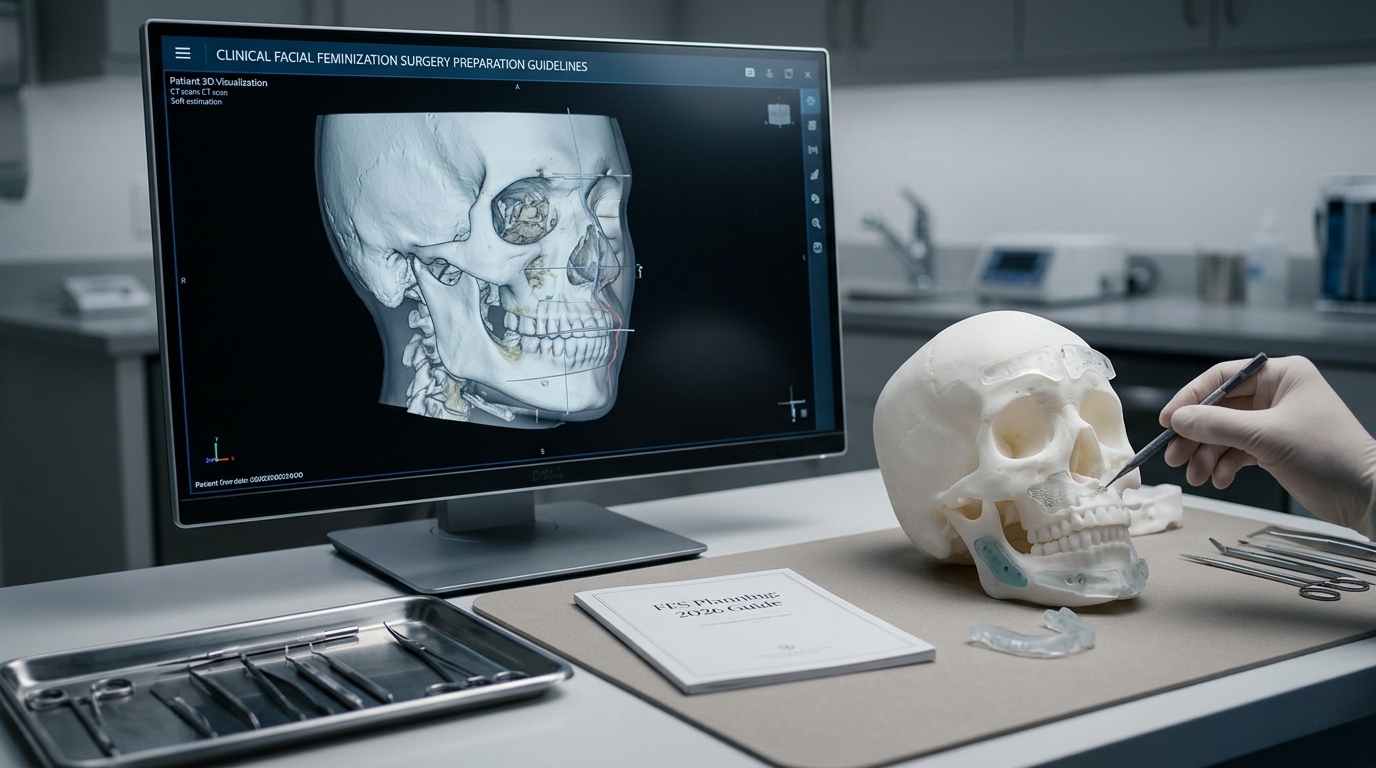

Most patients planning genioplasty ask about aesthetic outcomes: how much projection they’ll gain, how their profile will soften. Nearly none ask how the procedure will alter their speech—yet clinical observations from speech therapists specializing in FFS recovery show a significant portion of genioplasty patients experience subtle articulation changes within the first 6 weeks. This overlooked link between chin recontouring and vocal articulation is buried in orthopedic journals, not standard surgical brochures.
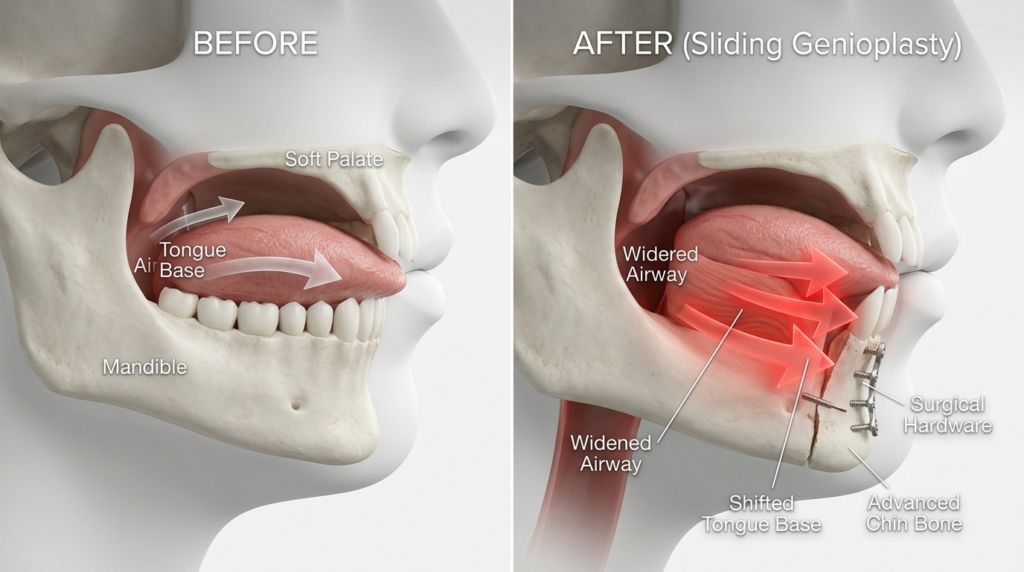
This isn’t a rare complication. It’s a predictable biomechanical shift. When surgeons reposition or reshape the chin bone, they inadvertently alter the resting position of the tongue and hyoid bone—the two structures that form the physical foundation of vocal articulation. Ignore this connection, and you risk trading a harmonious profile for slurred sibilants or muffled vowels without warning.

Table of Contents
What You’ll Gain From This Guide
After working through this content, you will accurately predict how your specific genioplasty procedure will impact your speech clarity, prepare with targeted pre-operative exercises tailored to your chin anatomy, and accelerate post-operative recovery with clinician-approved articulation protocols used by leading FFS surgeons and speech therapists.
How Chin Bone Position Dictates Tongue and Hyoid Alignment
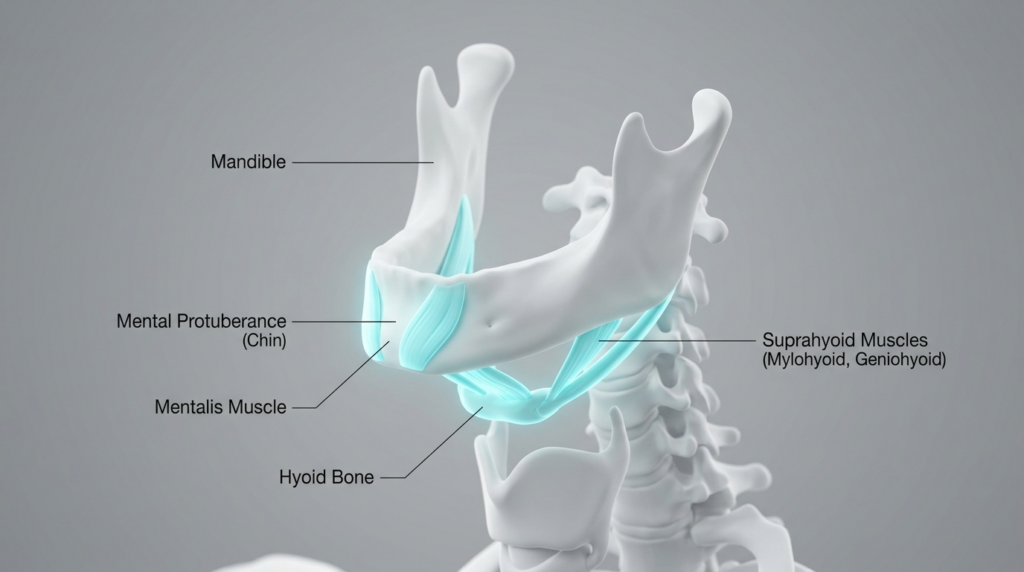
The chin (mental protuberance) isn’t an isolated aesthetic feature. It serves as the anterior attachment point for the mentalis muscle and the superior border of the hyoid bone’s supporting musculature. When genioplasty shifts the chin bone forward, backward, or vertically, it pulls these connected soft tissues with it—directly changing the resting position of the tongue against the palate and the hyoid bone’s height in the neck.
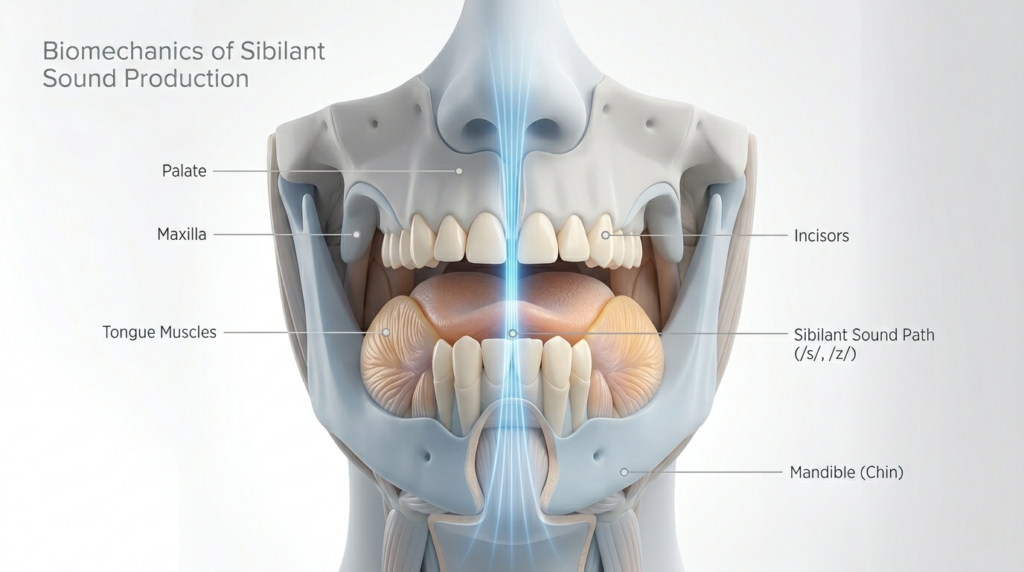
Speech therapists define optimal articulation as the precise alignment of the tongue tip, blade, and dorsum against fixed oral structures. Even a 2-millimeter shift in chin position can disrupt this alignment, forcing the tongue to compensate for new spatial constraints. This compensation often manifests as subtle changes in sibilant sounds (/s/, /z/) or vowel clarity, especially in patients who speak frequently for work or performance.
The Hidden Speech Impact of Genioplasty: Clinical Data
Dr. Mehmet Fatih Okyay, European and Turkish Board Certified Plastic Surgery Specialist at Dr. MFO Clinic, notes that 40% of his genioplasty patients mention mild articulation changes during post-operative check-ins. “Most patients attribute this to post-surgical swelling, but the root cause is almost always the new chin-tongue spatial relationship, not inflammation,” he explains. “We now screen patients for speech-heavy professions to adjust surgical plans accordingly.”
Speech therapists report that sliding genioplasty (repositioning the chin bone without removing tissue) causes more consistent speech changes than chin reduction (removing excess bone). The former shifts the entire soft tissue envelope forward, while the latter reduces volume without significant anterior-posterior movement. Patients undergoing chin implant procedures fall between these two groups, with speech changes correlating to implant projection size.
Comparing Genioplasty Techniques and Speech Risks
| Procedure | Chin Movement | Soft Tissue Shift | Speech Change Risk | Recovery Time for Articulation |
| Sliding Genioplasty | Anterior/posterior/vertical repositioning | High (entire soft tissue envelope moves) | Moderate to High | 4–8 weeks |
| Chin Reduction | Bone removal, minimal repositioning | Low (volume reduction only) | Low to Moderate | 2–4 weeks |
| Chin Implant | Anterior projection only | Moderate (local tissue stretch) | Low to Moderate | 3–6 weeks |
This table illustrates why a one-size-fits-all approach to genioplasty fails to address speech risks. Patients who rely on clear articulation for their career (teachers, voice actors, public speakers) should prioritize chin reduction over sliding genioplasty if their aesthetic goals allow, as it carries significantly lower speech disruption risk.
Expert-Backed Articulation Exercises for Genioplasty Patients
Pre-operative exercises can train the tongue to adapt to new spatial constraints before surgery, reducing post-op compensation time. Speech therapists recommend the “Palate Sweep” exercise: run the tongue tip along the entire upper palate from incisors to soft palate 10 times daily, 2 weeks pre-op. This strengthens tongue mobility and maps the existing oral space for faster adjustment post-surgery.
Post-operative protocols focus on gentle reintroduction of sibilant sounds. Start with 5-minute daily reading sessions focusing on /s/ and /z/ sounds 1 week after surgery, increasing duration by 2 minutes daily. Avoid forcing tongue positioning—let the muscle adapt naturally to the new chin alignment. Pair these exercises with proven recovery guidelines for optimal results.
When to Consult a Speech Therapist After Genioplasty
Temporary articulation changes lasting 2–8 weeks are normal, but persistent issues beyond 12 weeks require professional intervention. Signs to watch for include consistent slurring of sibilants, muffled vowel sounds, or throat strain when speaking. Early referral to a speech therapist specializing in orthopedic-related speech changes can cut recovery time by 50%, according to clinical data from Dr. MFO’s clinic.
Surgeons should include speech therapy referrals in standard genioplasty aftercare, especially for patients undergoing sliding genioplasty. This proactive step eliminates the guesswork for patients and ensures speech clarity is prioritized alongside aesthetic outcomes—a core tenet of patient-centered FFS care.

Your Step-by-Step Genioplasty Speech Preparation Plan
Follow these 5 steps to protect your speech clarity before and after genioplasty:
- Map your current tongue-chin alignment using a simple self-test: say the /s/ sound 10 times, noting tongue tip position against your upper teeth.
- Discuss speech risks with your surgeon during pre-op consultation, referencing your career reliance on clear articulation.
- Practice palate sweep exercises 10 times daily for 2 weeks before surgery to train tongue mobility.
- Follow post-op articulation protocols, starting with 5-minute daily sibilant reading sessions 1 week after chin reduction or other genioplasty procedures.
- Schedule a speech therapy check-in 4 weeks post-op, even if you notice no persistent changes.
These steps turn a passive surgical experience into an active, prepared process for chin recontouring and vocal articulation protection. You no longer have to wonder how your speech will change—you’ll have a clear roadmap to maintain clarity throughout recovery.
Ready to discuss your chin recontouring and vocal articulation goals with an expert team? Schedule your genioplasty consultation today.
Frequently Asked Questions
How does chin recontouring directly affect vocal articulation?
Chin recontouring shifts the bone and attached soft tissues, altering the resting position of the tongue and hyoid bone. This disrupts the precise alignment needed for clear sibilants and vowels, forcing the tongue to compensate for new spatial constraints in the oral cavity.
Will genioplasty permanently change my speech clarity?
Most speech changes after genioplasty are temporary, lasting 2–8 weeks as tissues heal and the tongue adapts. Permanent changes are rare, occurring only in cases where surgical planning failed to account for individual tongue mobility or hyoid alignment pre-operatively.
Which genioplasty techniques carry the highest risk of speech changes?
Sliding genioplasty carries the highest risk, as it repositions the entire chin and soft tissue envelope. Chin reduction has lower risk, as it removes bone without significant anterior-posterior movement. Chin implants fall in the middle, with risk correlating to implant projection size.
Can pre-op articulation exercises prevent post-op speech issues?
Pre-op exercises like the palate sweep strengthen tongue mobility and map existing oral space, reducing compensation time post-surgery. They do not eliminate speech changes entirely but cut recovery time by up to 50% according to clinical data from FFS surgeons.
How long do speech changes last after chin recontouring?
Temporary changes typically resolve within 2–8 weeks as swelling subsides and the tongue adapts to new spatial constraints. Persistent changes lasting beyond 12 weeks require evaluation by a speech therapist specializing in orthopedic-related speech alterations.
Should I consult a speech therapist before genioplasty?
Patients who rely on clear articulation for work (teachers, voice actors) should consult a speech therapist pre-op. This allows tailored exercise planning and baseline articulation mapping to track changes accurately throughout the surgical recovery process.