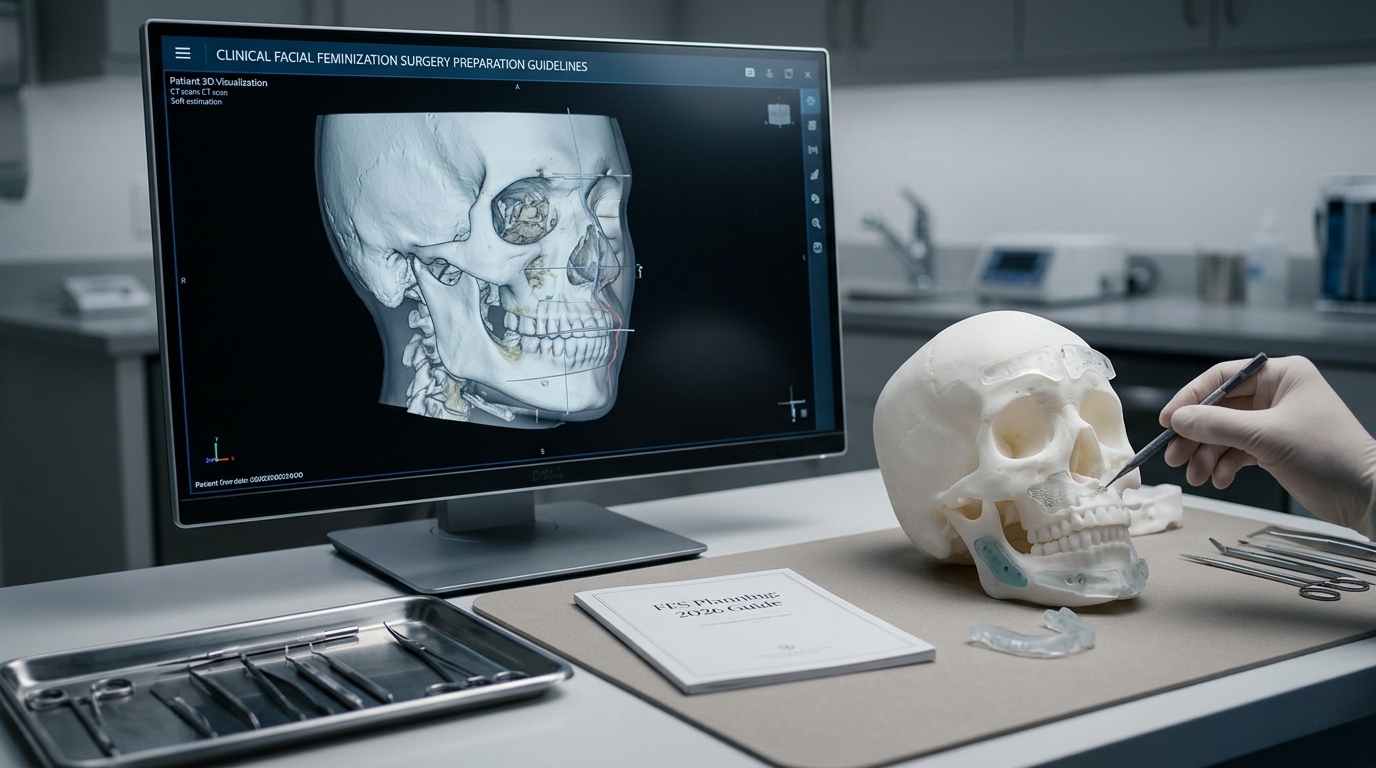

Most patients pursuing facial feminization surgery (FFS) view buccal fat removal as a purely aesthetic choice to slim the midface and enhance facial contours. Few realize this procedure alters the physical dimensions of oral and nasal resonance chambers, directly impacting vocal quality and feminization progress. This hidden interaction between midface volume loss and voice resonance remains absent from most FFS consultations, leaving patients unprepared for unexpected vocal shifts.

Table of Contents
What You Will Gain From This Guide
By the end of this article, you will understand the physiological mechanisms linking buccal fat removal to vocal resonance changes, access insights from board-certified FFS surgeons and speech therapists, and receive tailored voice therapy protocols for post-operative care. This integrated approach ensures your facial and vocal feminization goals align, avoiding unforeseen setbacks in your transition journey.
The Physiology of Midface Volume and Vocal Resonance
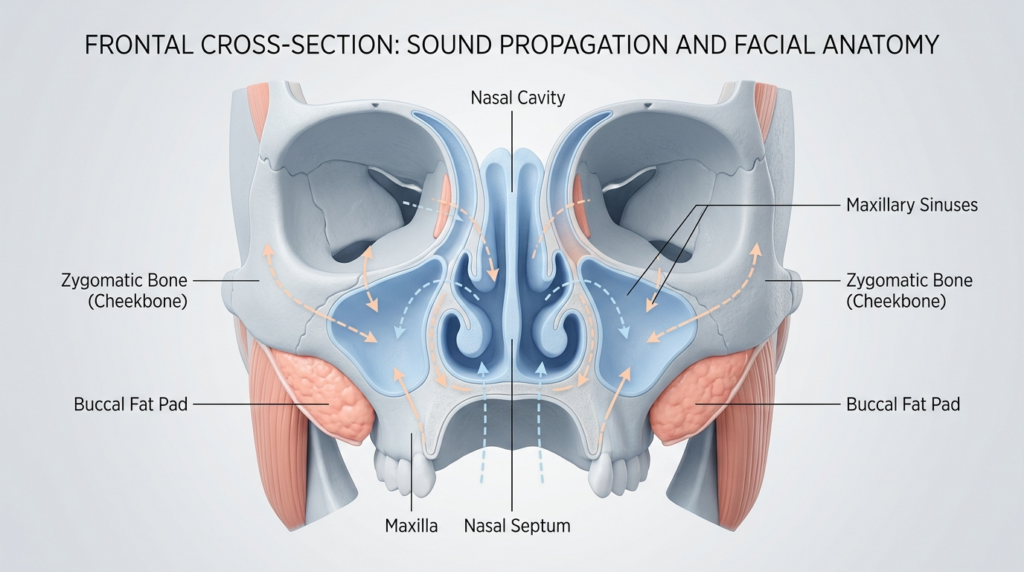
Vocal resonance depends on the size, shape, and structure of oral and nasal chambers, where sound waves from the larynx propagate and amplify. The buccal fat pad, located in the midface between the cheekbone and jaw, contributes significantly to midface volume, supporting the outer walls of the oral resonance chamber. When this fat is removed, the oral chamber narrows, altering sound wave reflection patterns and raising formant frequencies (F1 and F2) that listeners associate with feminine vocal quality.
Research in acoustic phonetics confirms that smaller oral cavities produce higher formants, which are key markers of perceived vocal gender. However, excessive midface volume loss can push formants beyond natural feminine ranges, resulting in a thin, reedy vocal quality that may require correction. This balance between aesthetic midface slimming and vocal resonance stability is the core of the hidden role buccal fat removal plays in vocal feminization.
Sound Wave Propagation and Chamber Dimensions
Sound waves travel through the vocal tract, bouncing off soft and hard tissues to create unique resonance profiles. The buccal fat pad acts as a cushion that maintains the oral chamber’s width; its removal reduces the distance between the inner cheek walls, shortening the path sound waves travel. This change boosts high-frequency overtones, contributing to a brighter, lighter vocal tone that aligns with feminine voice goals when calibrated correctly.
| Midface Volume Level | Oral Chamber Size | Formant Frequency Trend | Vocal Feminization Impact |
| Normal | Standard width | Average feminine range | Neutral starting point |
| Moderate Loss (Buccal Fat Removal) | Narrowed | Elevated, within feminine range | Supports feminization goals |
| Excessive Loss | Significantly narrowed | Overly high, unnatural | Requires voice therapy correction |
Clinical Insights From FFS Surgeons and Speech Therapists
Dr. Mehmet Fatih Okyay, European and Turkish board-certified plastic surgeon at Dr. MFO Clinic in Antalya, Türkiye, explains: “We now integrate vocal impact assessments into our buccal fat removal consultations. Patients pursuing buccal fat removal in FFS need to understand that midface volume loss can either support their voice goals or require additional therapy, depending on the extent of fat removal.”
Speech-language pathologist Elena Marchetti, who specializes in transgender voice training, notes: “Buccal fat removal changes the way sound waves reflect off the inner cheeks and palate. I’ve seen patients need 3–6 months of targeted formant adjustment therapy post-op to maintain their desired feminine vocal quality, especially when larger fat volumes are removed.”
Case Study: Aligned Facial and Vocal Outcomes
A 32-year-old transgender woman underwent buccal fat removal as part of her FFS, with pre-operative consultation including a speech therapist. The surgical team removed 30% of her buccal fat pad, preserving adequate midface volume. Post-op, her oral chamber narrowed slightly, raising her F2 formant by 12%, which aligned with her voice training goals. She required only 4 weeks of maintenance therapy, achieving cohesive facial and vocal feminization.
Voice Therapy Protocols for Post-Buccal Fat Removal
Tailored voice therapy protocols address resonance changes from midface volume loss, focusing on three core areas: formant calibration, oral posture adjustment, and nasal resonance balancing. Pre-operative assessments establish baseline formant frequencies, allowing therapists to predict post-op changes and design proactive exercises.
Core Therapy Components
Formant calibration exercises use sustained vowel sounds to adjust pitch and resonance placement, compensating for narrower oral chambers. Oral posture training strengthens cheek and palate muscles to maintain optimal chamber shape, while nasal resonance balancing ensures sound waves distribute evenly between oral and nasal cavities. Most patients complete 8–12 weeks of therapy, with sessions tapering as vocal stability is achieved.
Patients who undergo midface volume loss procedures are advised to start therapy 2 weeks post-op, once initial swelling subsides. Regular check-ins with both the surgical team and speech therapist ensure alignment between aesthetic healing and vocal progress, preventing long-term resonance issues.

Actionable Steps for Aligned Facial and Vocal Feminization
Follow these 5 steps to align your buccal fat removal and vocal feminization goals, ensuring cohesive transition outcomes:
- Assess your current vocal resonance and midface volume with a speech therapist and FFS surgeon pre-operatively.
- Discuss desired vocal outcomes with your surgeon to calibrate buccal fat removal extent appropriately.
- Schedule pre-operative voice therapy to establish baseline formant frequencies and predict post-op changes.
- Start post-operative therapy 2 weeks after surgery, following a tailored protocol for 8–12 weeks.
- Monitor vocal resonance stability with your speech therapist for 6 months post-op, adjusting exercises as needed.
Ready to align your facial and vocal feminization goals? Contact Dr. MFO Clinic today to schedule a consultation that addresses both aesthetic and vocal outcomes of buccal fat removal.
Frequently Asked Questions
How does buccal fat removal alter vocal resonance?
Buccal fat removal reduces midface volume, shrinking the oral resonance chamber. This changes the way sound waves propagate, raising formant frequencies linked to feminine vocal perception. Patients may notice a lighter, brighter vocal quality post-procedure, which can support feminization goals when aligned with voice training.
Why is midface volume critical for vocal feminization?
Midface volume supports the structure of the oral and nasal chambers, which shape vocal resonance. Adequate volume maintains balanced formant frequencies, while excessive loss can make the voice sound thin or unnatural. Preserving optimal midface volume ensures vocal outcomes align with feminine pitch and tone goals.
What voice therapy protocols help after buccal fat removal?
Post-operative voice therapy focuses on adjusting articulation and resonance placement to compensate for smaller oral chambers. Protocols include formant raising exercises, oral posture training, and nasal resonance balancing. Most patients complete 8–12 weeks of therapy to stabilize their desired feminine vocal quality.
How do FFS surgeons anticipate vocal changes from midface volume loss?
Experienced FFS surgeons use 3D imaging to map midface volume and predict resonance changes. They adjust buccal fat removal extent based on patient vocal goals, often consulting speech therapists pre-op. This integrated approach minimizes unexpected vocal shifts and aligns aesthetic and functional outcomes.
Can buccal fat removal hinder vocal feminization progress?
Yes, if excessive fat is removed, the oral chamber becomes too small, causing overly high formants that sound unnatural. This may require intensive voice therapy to correct. Patients pursuing vocal feminization should discuss desired vocal outcomes with their surgeon to calibrate fat removal extent appropriately.
How long do vocal changes from buccal fat removal last?
Vocal changes are permanent, as buccal fat pads do not regenerate. Initial swelling may alter resonance temporarily, but final vocal quality stabilizes 3–6 months post-op. Long-term monitoring with a speech therapist ensures any residual adjustments are addressed promptly.