
Imagine waking up to a forehead that finally matches the proportions of your face—no more hiding behind bangs or hats, no more feeling self-conscious in photos. For many, forehead reduction surgery (also known as hairline lowering or scalp advancement) is a life-changing procedure. But here’s the catch: while the average cost of forehead reduction surgery in Turkey ranges from $2,000 to $7,500 in 2026, the real question isn’t just about the price tag. It’s about what you’re actually getting for that price—and what you might be sacrificing if you chase the cheapest option. This guide cuts through the noise, offering a brutally honest breakdown of costs, package inclusions, and the critical factors that separate a successful surgery from a regrettable one.

Table of Contents
The Real Cost of Forehead Reduction Surgery in Turkey (2026): Beyond the Headline Price
The allure of Turkey’s medical tourism industry is undeniable. With prices starting at $2,000 for forehead reduction surgery—compared to $10,000–$15,000 in the USA or UK—it’s easy to see why thousands flock to Istanbul and Antalya annually. But here’s what most clinics won’t tell you upfront:
- Surgeon expertise varies wildly. A $2,000 procedure might be performed by a junior surgeon, while a $7,500 package could include a board-certified specialist with decades of experience in Type 3 cranioplasty and facial feminization surgery (FFS).
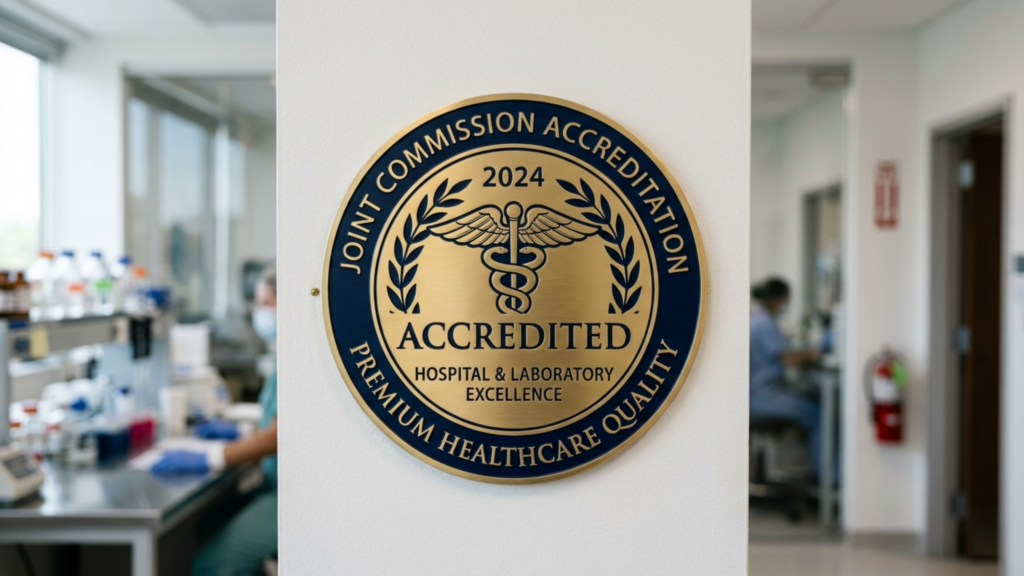
- Hospital accreditation matters. JCI-certified hospitals (like those in Antalya’s medical district) adhere to international safety standards, while unaccredited clinics may cut corners on sterilization or post-op care.
- All-inclusive packages aren’t always all-inclusive. Some clinics advertise “full packages” but exclude critical components like pre-op consultations, anesthesia fees, or revision surgeries if complications arise.
- Hidden costs add up. Medication, compression garments, and follow-up appointments can inflate your total spend by 20–30% if not explicitly included.
- Type 3 cranioplasty isn’t the same as Type 1. Many patients assume all forehead reductions are equal, but Type 3 cranioplasty—which involves reshaping the brow bone for a more feminine or refined contour—requires advanced surgical skills and costs $1,500–$3,000 more than basic hairline lowering.
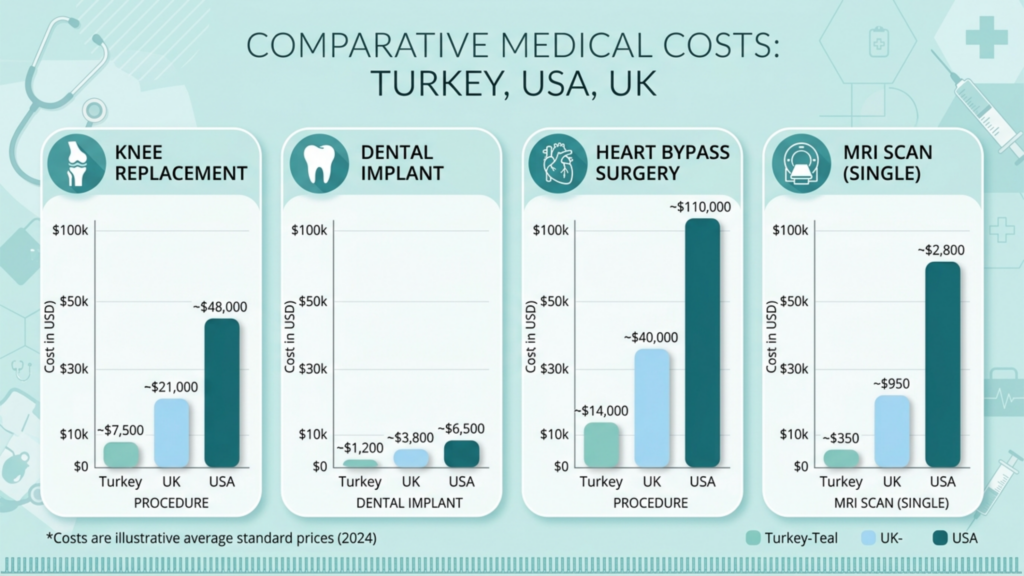
Source: Adapted from Turkey Luxury Clinics (2026) and Bookimed.
What’s Actually Included in an All-Inclusive Package? (And What’s Not)
Not all “all-inclusive” packages are created equal. Below is a realistic breakdown of what reputable clinics (like Dr. MFO Clinic or Estherian Clinic) typically include—and where you might get nickel-and-dimed:
| Component | Included in Premium Packages | Often Excluded (or Hidden) |
|---|---|---|
| Surgeon’s fee | ✅ Yes (board-certified specialist) | ❌ Junior surgeons or “assistant-led” procedures |
| Anesthesia | ✅ Yes (administered by an anesthesiologist) | ❌ Local anesthesia only (riskier for complex cases) |
| Hospital/clinic fees | ✅ JCI-accredited facilities | ❌ Unaccredited or “boutique” clinics |
| Pre-op consultations | ✅ Virtual + in-person assessments | ❌ Single 10-minute consultation |
| Post-op care | ✅ 24/7 nursing, medications, follow-ups | ❌ “Self-care” instructions only |
| Accommodation | ✅ 4–5★ hotel (3–7 nights) | ❌ Budget hostels or no accommodation |
| Transfers | ✅ Airport-hotel-clinic round trips | ❌ Taxi vouchers with limits |
| Compression garments | ✅ Medical-grade, included | ❌ Basic or not provided |
| Revision surgery | ✅ Covered if complications arise | ❌ Extra $2,000–$5,000 |
| Type 3 cranioplasty | ✅ Included if specified | ❌ Upcharged as “premium” |
Pro tip: Always ask for an itemized quote. Clinics that avoid transparency about costs are red flags. For example, a “$3,500 all-inclusive” package might exclude anesthesia or post-op medications, pushing your total to $5,000+.
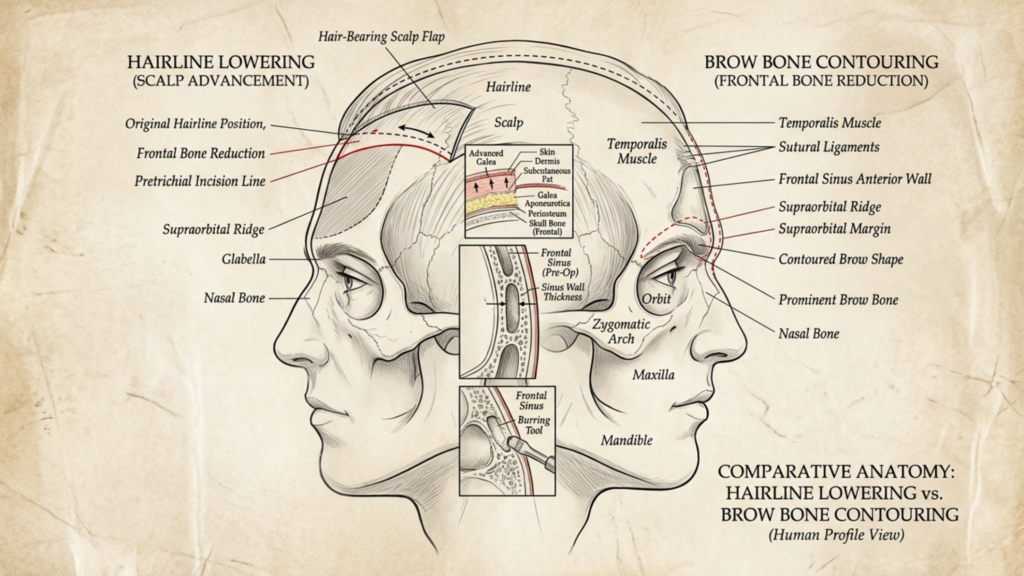
Type 3 Cranioplasty vs. Basic Forehead Reduction: Why the Price Difference?
If you’re researching forehead reduction, you’ve likely encountered terms like Type 1 and Type 3 cranioplasty. Here’s why the latter costs more—and why it might be worth it:
Type 1 Cranioplasty ($2,000–$4,000):
- Focuses on hairline lowering via scalp advancement.
- No bone reshaping; ideal for patients with high hairlines but balanced brow bones.
- Shorter recovery (1–2 weeks).
Type 3 Cranioplasty ($4,500–$7,500):
- Involves reshaping the brow bone for a softer, more feminine or harmonious contour.
- Requires advanced surgical skills (e.g., burring, osteotomies) and longer OR time.
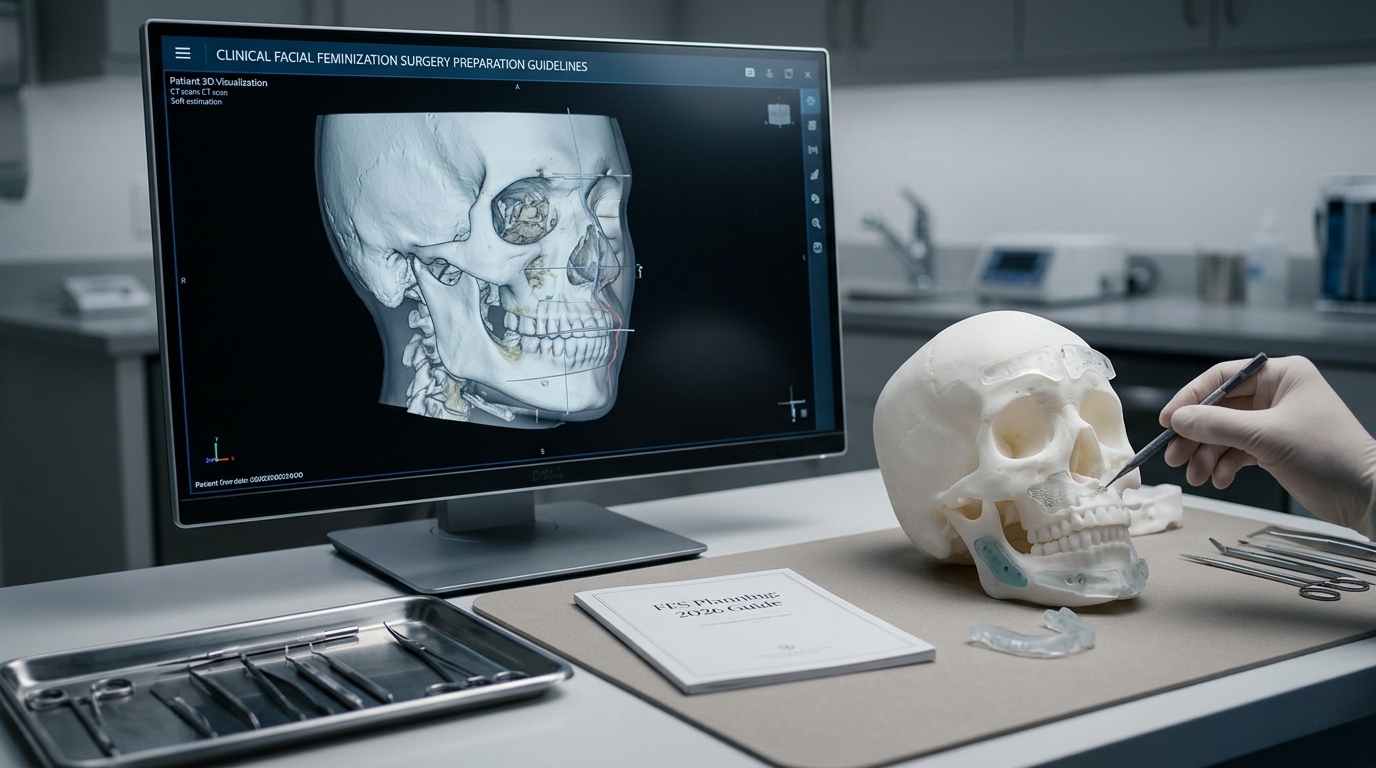
- Essential for patients with prominent brow ridges or those undergoing facial feminization surgery (FFS).
- Recovery: 3–4 weeks (due to bone healing).

Source: Dr. Bart van de Ven (2026).
Key takeaway: If your goal is facial harmony (not just a lower hairline), Type 3 cranioplasty is non-negotiable. The $2,500–$3,500 premium buys you permanent bone restructuring—something fillers or basic scalp advancement can’t achieve.
Turkey vs. Western Countries: A Cost Comparison (2026)
Let’s talk numbers. Below is a real-world cost comparison for forehead reduction surgery (including Type 3 cranioplasty) across top destinations:
| Country | Average Cost (USD) | Type 3 Cranioplasty Premium | All-Inclusive Package? | JCI-Accredited Hospitals? |
|---|---|---|---|---|
| Turkey | $2,000–$7,500 | $1,500–$3,000 | ✅ Yes (common) | ✅ Yes (e.g., Dr. MFO Clinic) |
| USA | $10,000–$20,000 | $5,000–$8,000 | ❌ Rare (extra $3,000–$5,000) | ✅ Yes |
| UK | $8,000–$15,000 | $4,000–$6,000 | ❌ No (hotel/transfers separate) | ✅ Yes |
| Thailand | $4,000–$9,000 | $2,500–$4,000 | ✅ Sometimes | ❌ Limited |
| South Korea | $7,000–$12,000 | $3,000–$5,000 | ✅ Yes (premium clinics) | ✅ Yes |
Data sourced from American Medical Travel (2026) and Flymedi.
Why Turkey wins on value:
- Currency advantage: The Turkish lira’s exchange rate makes luxury care affordable. A $7,500 package in Turkey might cost the equivalent of $15,000+ in the US when factoring in hospital stays and surgeon fees.
- Volume = expertise: Turkish surgeons perform 5–10x more forehead reductions annually than Western counterparts due to high demand.
- Government incentives: Turkey’s Health Tourism Certification Program ensures clinics meet international standards—or lose their licenses.
How to Choose a Clinic: 5 Non-Negotiable Red Flags
Not all clinics are created equal. Here’s how to spot the ones to avoid:
- No board-certified surgeons. Ask: “Is my surgeon certified by the International Society of Aesthetic Plastic Surgery (ISAPS)?” If they hesitate, walk away.
- Vague pricing. “Starting from $2,000” often means the final bill will be $5,000+. Demand an itemized quote.
- No JCI accreditation. JCI (Joint Commission International) is the gold standard for hospital safety. Dr. MFO Clinic and Estherian Clinic are examples of JCI-certified facilities.
- Pressure to book immediately. Reputable clinics encourage second opinions. Those offering “limited-time discounts” are often hiding something.
- No revision policy. Complications happen. Clinics that don’t cover revisions (or charge extra) are gambling with your results.
The Hidden Costs No One Talks About
Even with an “all-inclusive” package, budget an extra $500–$1,500 for:
- Pre-op tests: Blood work, EKG, or COVID-19 tests ($100–$300).
- Post-op medications: Painkillers, antibiotics, and anti-swelling drugs ($150–$400).
- Travel insurance: Mandatory for medical tourism ($200–$500).
- Extended hotel stays: If recovery takes longer than expected ($50–$150/night).
- Scar treatments: Laser therapy or silicone gels for optimal healing ($300–$800).
Pro tip: Use a credit card with no foreign transaction fees to avoid extra charges (3–5% per purchase).
Step-by-Step: What to Expect From Consultation to Recovery
Here’s your realistic timeline for forehead reduction surgery in Turkey:
- Week 1–2: Virtual Consultation
Submit photos, discuss goals (e.g., hairline lowering vs. Type 3 cranioplasty), and receive a customized quote. Ask: “Can I see before/after photos of patients with similar facial structures?” - Week 3: Pre-Op Tests
Complete blood work, EKG, and (if required) a 3D CT scan for Type 3 cranioplasty planning. Cost: $100–$300. - Week 4: Travel to Turkey
Arrive 1–2 days pre-surgery for a final in-person consultation. Pro tip: Book a hotel near your clinic (e.g., Dr. MFO Clinic in Antalya partners with nearby 5★ hotels). - Day 0: Surgery Day
Procedure time: 2–4 hours (longer for Type 3 cranioplasty). You’ll wake up with a compression bandage and mild discomfort (managed with prescribed meds). - Days 1–3: Immediate Recovery
Rest in your hotel with 24/7 nursing support (if included). Swelling peaks at 48–72 hours. Avoid: Bending, heavy lifting, or touching the incision site. - Days 4–7: First Follow-Up
Stitches/drains removed (if applicable). You can fly home if cleared by your surgeon, but swelling may persist for 3–6 weeks. - Weeks 2–6: Final Results Emerge
Bruising fades; hair grows back over the scar. For Type 3 cranioplasty, bone healing takes 6–8 weeks. Pro tip: Use silicone gel sheets to minimize scarring. - Month 3+: Long-Term Care
Final results visible. Schedule a virtual follow-up to assess symmetry and healing. Consider: Laser treatments for residual scarring.

FAQ: Your Top Questions Answered
Is forehead reduction surgery in Turkey safe?
Turkey is a global leader in medical tourism, with JCI-accredited hospitals (like those in Antalya and Istanbul) adhering to strict international standards. However, safety depends on choosing a u003cstrongu003eboard-certified surgeonu003c/strongu003e and a clinic with a proven track record. Always verify credentials and ask for patient testimonials.
Why is Type 3 cranioplasty more expensive than basic forehead reduction?
Type 3 cranioplasty involves reshaping the brow bone, which requires advanced surgical techniques, longer operating time, and specialized tools. The additional $1,500–$3,000 covers the complexity of bone restructuring (vs. simple scalp advancement) and the surgeon’s expertise in facial anatomy.
What’s the difference between a $2,000 and $7,500 forehead reduction package?
A $2,000 package typically includes a basic hairline lowering procedure performed by a junior surgeon in a non-accredited clinic, with minimal post-op care. A $7,500 package offers a u003cstrongu003eboard-certified surgeonu003c/strongu003e, JCI-accredited hospital, Type 3 cranioplasty (if needed), all-inclusive accommodation, and comprehensive aftercare—including revision coverage.
Can I combine forehead reduction with other procedures?
Yes! Many patients pair forehead reduction with u003ca href=u0022https://www.dr-mfo.com/ffs-facial-feminization-surgeryu0022 target=u0022_blanku0022 rel=u0022noreferrer noopeneru0022u003efacial feminization surgery (FFS)u003c/au003e, rhinoplasty, or hair transplants. Clinics like u003ca href=u0022https://www.dr-mfo.comu0022 target=u0022_blanku0022 rel=u0022noreferrer noopeneru0022u003eDr. MFO Clinicu003c/au003e offer bundled discounts for multiple procedures.
How do I know if a clinic’s ‘all-inclusive’ package is legitimate?
Ask for an u003cstrongu003eitemized breakdownu003c/strongu003e of costs. Legitimate packages include surgeon fees, anesthesia, hospital stay, medications, accommodation, and transfers. Be wary of clinics that avoid providing details or pressure you to book without a consultation.
What’s the recovery like for Type 3 cranioplasty vs. basic forehead reduction?
Type 3 cranioplasty recovery takes longer (3–4 weeks) due to bone healing, while basic forehead reduction patients typically return to work in 1–2 weeks. Both procedures involve swelling and bruising, but Type 3 may require additional follow-ups to monitor bone integration.
Are there financing options for forehead reduction surgery in Turkey?
Many clinics partner with medical financing companies (e.g., u003ca href=u0022https://www.flymedi.comu0022 target=u0022_blanku0022 rel=u0022noreferrer noopeneru0022u003eFlymediu003c/au003e or u003ca href=u0022https://www.bookimed.comu0022 target=u0022_blanku0022 rel=u0022noreferrer noopeneru0022u003eBookimedu003c/au003e) to offer payment plans. Some also accept credit cards with 0% interest for 6–12 months.