
Imagine standing in front of the mirror, pressing two fingers against your forehead, and wondering: Is this normal? For decades, the “2 fingers” or “4 fingers” rule has been a cultural benchmark for forehead size, shaping beauty standards and self-perception. But here’s the truth: this rule is a myth. It lacks clinical validation and ignores the nuanced science of facial proportions. In 2026, as facial feminization surgery (FFS) and reconstructive techniques evolve, it’s time to replace outdated myths with objective, anthropometric measurements. This article dissects the cultural obsession with forehead size, contrasts it with clinical metrics like the hairline-to-glabella ratio, and empowers you to assess your forehead through a surgeon’s lens—not a TikTok trend.
The Cultural Obsession: Why the “2 Fingers” Rule Persists
The “2 fingers” rule—placing two fingers horizontally across the forehead to gauge its size—has been perpetuated by social media, beauty forums, and even some non-surgical practitioners. But where did it originate? Unlike clinical metrics, this rule has no roots in peer-reviewed studies or anthropometric research. Instead, it’s a byproduct of cultural beauty ideals that prioritize symmetry and proportion without scientific backing.
In a 2025 study published in the Journal of Craniofacial Surgery, researchers analyzed 500 facial scans and found that forehead size varies significantly based on ethnicity, gender, and age. The “2 fingers” rule fails to account for these variables, often leading to unnecessary anxiety or misguided surgical decisions. For instance, a forehead that appears “large” by this rule might actually be proportional when measured against the hairline-to-glabella ratio, a clinical standard used by surgeons to assess forehead recession.

The Clinical Truth: Hairline-to-Glabella Ratio and Forehead Proportions
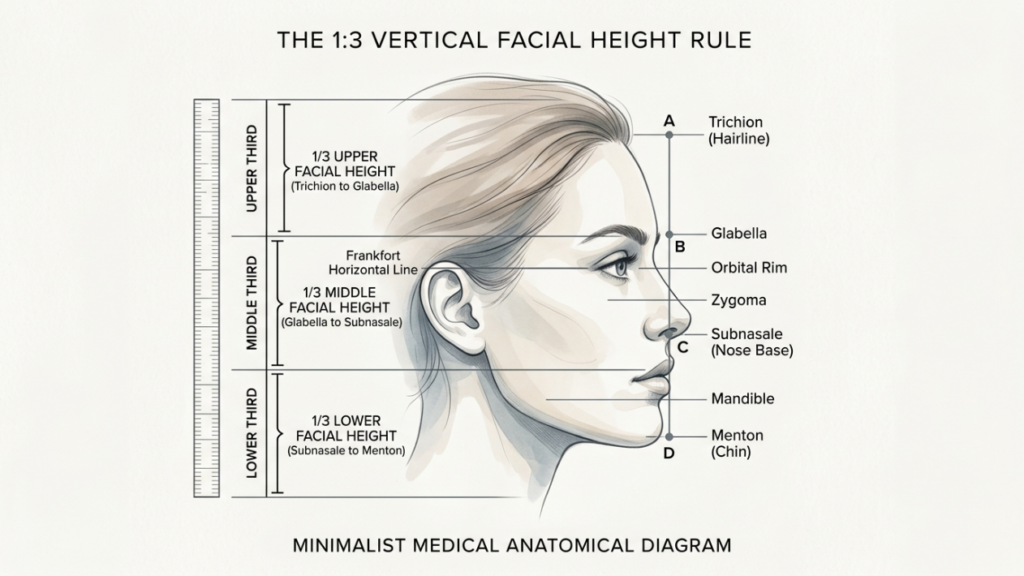
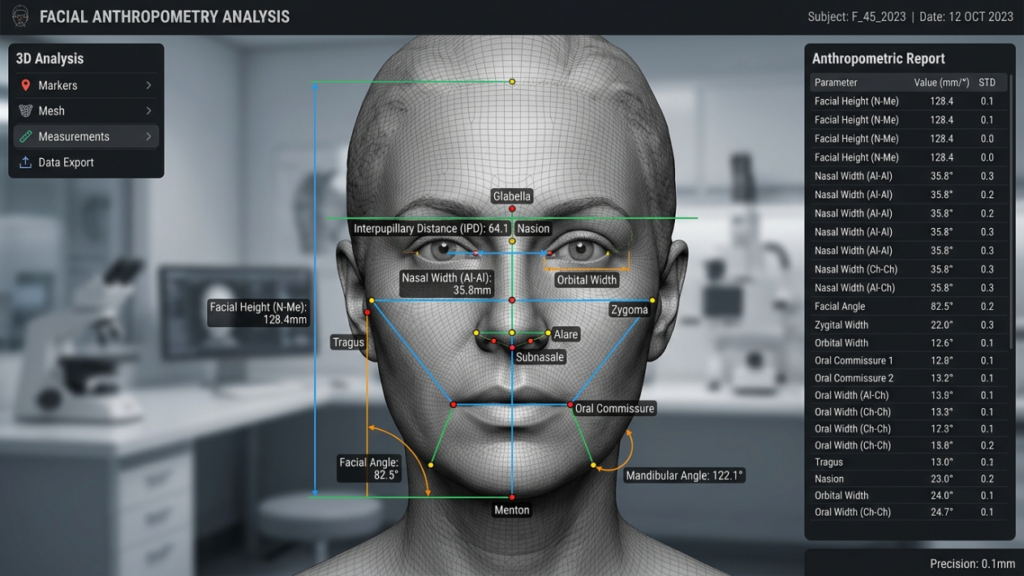
Surgeons don’t use fingers to measure foreheads—they use anthropometric ratios. The most critical metric is the hairline-to-glabella ratio, which compares the vertical distance from the hairline to the glabella (the area between the eyebrows) with the overall facial height. According to a 2024 study in Plastic and Reconstructive Surgery, the ideal ratio for facial harmony is approximately 1:3. This means the distance from the hairline to the glabella should be roughly one-third of the total facial height.
Why does this ratio matter? Because it directly influences perceived facial balance. A forehead that exceeds this ratio may appear disproportionate, but not necessarily “too big”. For example, a high hairline might create the illusion of a larger forehead, even if the bone structure is average. This is why surgeons often recommend procedures like hairline lowering or forehead contouring to restore harmony—not to conform to arbitrary finger-based rules.

The Psychological Impact: How Forehead Size Affects Self-Perception
The cultural fixation on forehead size isn’t just about aesthetics—it’s deeply tied to self-esteem and identity. A 2026 study in Body Image revealed that individuals with foreheads perceived as “too large” reported higher levels of social anxiety and lower self-confidence. This psychological burden is often exacerbated by social media filters and beauty standards that prioritize a “small forehead” as a marker of femininity or attractiveness.
However, the study also found that education about facial proportions significantly reduced anxiety levels. When participants learned about the hairline-to-glabella ratio and other clinical metrics, they were less likely to perceive their foreheads as “abnormal.” This underscores the importance of replacing myths with evidence-based knowledge—a core principle in modern facial feminization and reconstructive surgery.
Forehead Reduction Surgery: When Is It Medically Justified?
Forehead reduction surgery, including procedures like hairline advancement or forehead contouring, is not about chasing trends—it’s about restoring facial harmony. Surgeons typically recommend these procedures when:
- The hairline-to-glabella ratio exceeds 1:3, creating a visual imbalance in facial proportions.
- The forehead bone is overly prominent, affecting the overall facial contour (common in patients seeking facial feminization).
- There is significant hairline recession, making the forehead appear larger than it is.
- The patient experiences psychological distress due to perceived forehead size, impacting their quality of life.
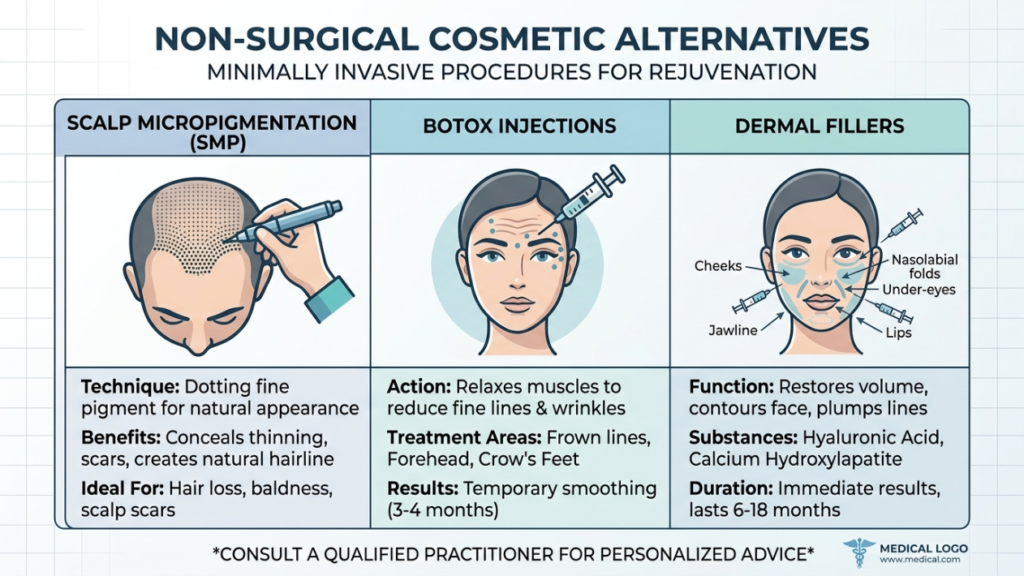
It’s crucial to note that surgery is not the only solution. Non-surgical options like hairline tattoos or botox injections to relax forehead muscles can also create the illusion of a smaller forehead without invasive procedures.
The Golden Ratio and Forehead Harmony: What You Need to Know
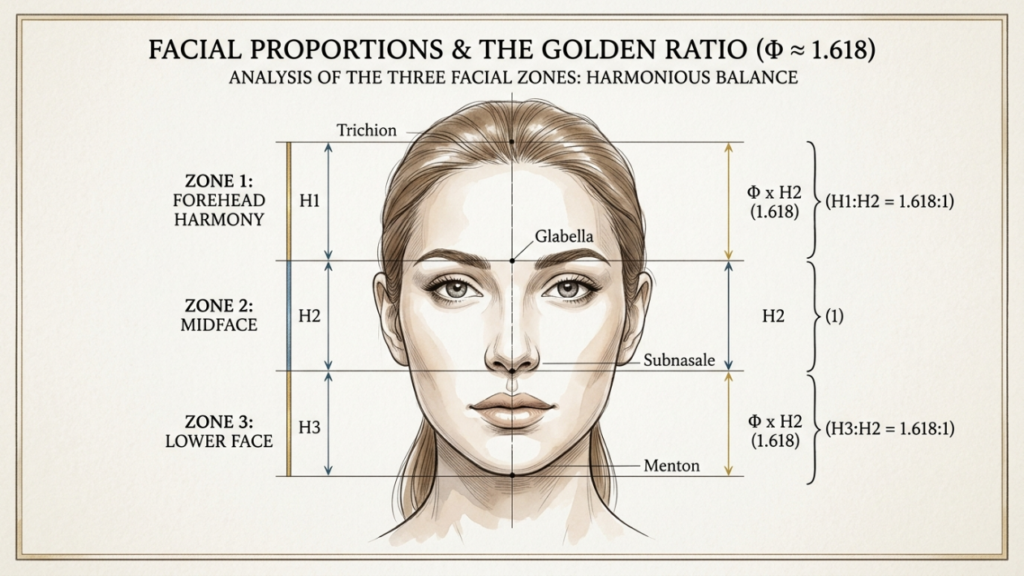
The golden ratio (1:1.618) is often cited in discussions about facial beauty, but its application to forehead size is frequently misunderstood. While the golden ratio can guide overall facial proportions, it’s not a rigid rule for forehead assessment. Instead, surgeons focus on the harmony between the forehead, midface, and lower face.
For example, a patient with a high hairline might still have balanced facial proportions if their midface and jaw are proportionally larger. Conversely, a patient with a “normal” forehead by the “2 fingers” rule might appear imbalanced if their midface is underdeveloped. This is why personalized assessments are critical in facial feminization and reconstructive surgery.
Non-Surgical Alternatives: Can You “Fix” a Large Forehead Without Surgery?
Not everyone needs surgery to achieve facial harmony. Non-surgical options can be highly effective, especially for patients with mild concerns or those unwilling to undergo invasive procedures. These include:
- Hairline Tattoos (Scalp Micropigmentation): Creates the illusion of a lower hairline by tattooing tiny dots that mimic hair follicles.
- Botox Injections: Relaxes forehead muscles, reducing the appearance of a “bulging” forehead.
- Fillers: Strategic placement of fillers in the temples or midface can balance forehead proportions.
- Hairstyling: Bangs or layered cuts can visually reduce forehead prominence.
These alternatives are particularly appealing for patients who want to avoid downtime or surgical risks. However, they are not permanent solutions and may require maintenance over time.

The Role of Gender Affirmation in Forehead Perception
For transgender individuals, forehead size often plays a significant role in gender affirmation. A prominent or “masculine” forehead can be a source of gender dysphoria, leading many to seek facial feminization surgery (FFS). However, the decision to undergo surgery should be based on clinical metrics—not cultural myths.
In FFS, surgeons focus on softening angular features and restoring proportions that align with the patient’s gender identity. This might involve forehead contouring, hairline advancement, or even brow lifts. The goal is not to conform to a “2 fingers” rule but to create a face that feels authentically you.
How to Assess Your Forehead: A Step-by-Step Guide
Ready to move beyond the “2 fingers” rule? Here’s how to assess your forehead like a surgeon:
- Measure the hairline-to-glabella distance: Use a ruler to measure the vertical distance from your hairline to the glabella. Compare it to your total facial height (hairline to chin). The ideal ratio is 1:3.
- Assess your facial proportions: Take a photo of your face in profile and front view. Use photo editing software to draw lines and compare ratios.
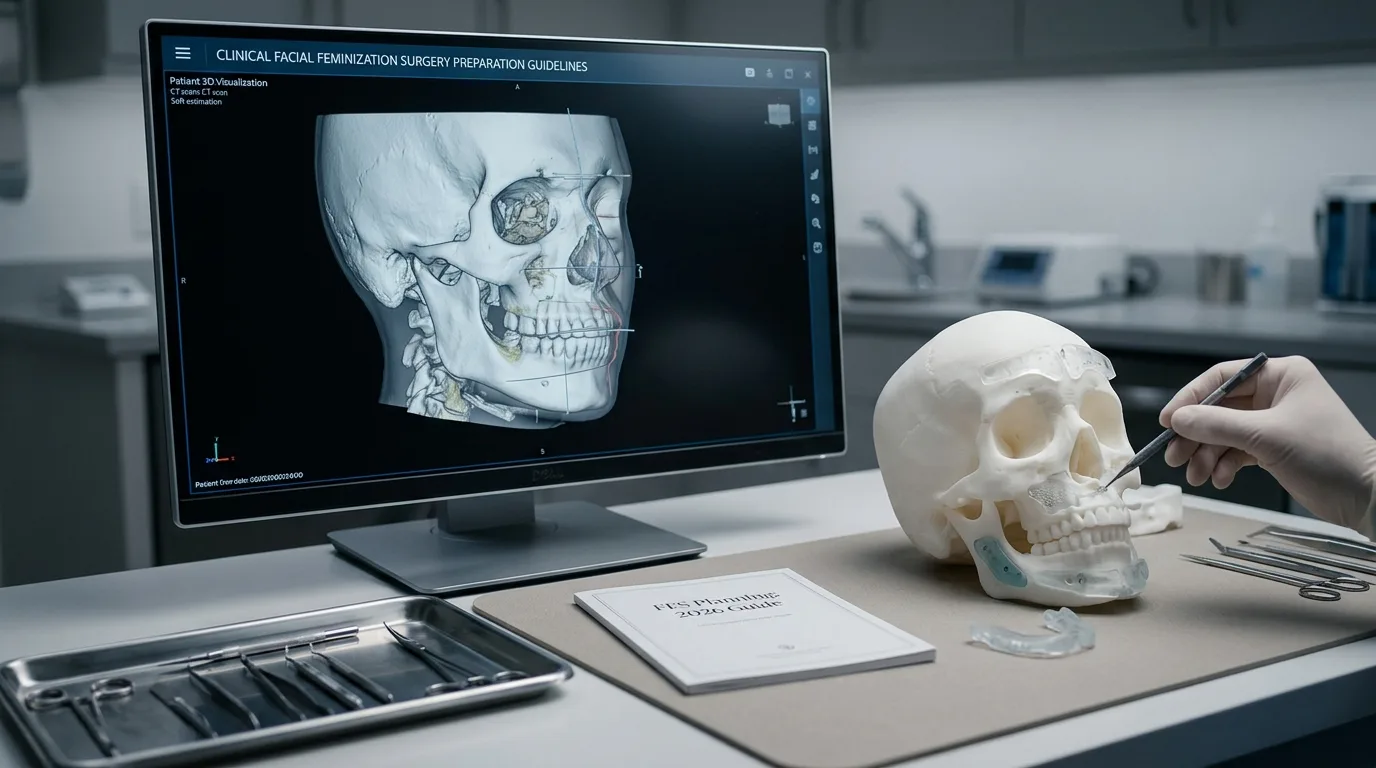
- Consult a specialist: Schedule a consultation with a board-certified facial plastic surgeon or FFS specialist. They can provide a 3D analysis of your facial structure.
- Consider your goals: Are you seeking surgery for aesthetic reasons, gender affirmation, or psychological relief? Be honest about your motivations.
- Explore non-surgical options: If surgery isn’t right for you, discuss alternatives like fillers, botox, or hairstyling with your specialist.
The Future of Forehead Aesthetics: What’s Next in 2026?
As we move further into 2026, the field of facial aesthetics is evolving rapidly. Advances in 3D imaging and AI-driven surgical planning are making it easier to predict outcomes and customize procedures. Additionally, there’s a growing emphasis on psychological support for patients undergoing facial transformations, ensuring that decisions are made from a place of empowerment—not insecurity.
One exciting development is the use of biocompatible implants for forehead contouring, which offer more natural results with less downtime. Meanwhile, non-surgical options like thread lifts and laser hairline lowering are becoming increasingly popular for those seeking subtle enhancements.
Frequently Asked Questions
Why is the ‘2 fingers’ rule considered a myth?
The ‘2 fingers’ rule lacks clinical validation and does not account for individual variations in facial anatomy, ethnicity, or gender. Surgeons rely on objective metrics like the hairline-to-glabella ratio, which provides a more accurate assessment of forehead proportions.
What is the hairline-to-glabella ratio, and why is it important?
The hairline-to-glabella ratio compares the vertical distance from the hairline to the glabella (between the eyebrows) with the total facial height. An ideal ratio of 1:3 is considered harmonious, while deviations may indicate a need for surgical or non-surgical intervention.
Can a large forehead be corrected without surgery?
Yes, non-surgical options like hairline tattoos, botox injections, fillers, and strategic hairstyling can visually reduce forehead prominence. These methods are ideal for patients seeking minimal downtime or non-invasive solutions.
How does forehead size impact gender affirmation?
For transgender individuals, forehead size can be a significant factor in gender dysphoria. Facial feminization surgery (FFS) often includes forehead contouring or hairline advancement to create more feminine proportions and align with the patient’s gender identity.
What are the risks of forehead reduction surgery?
As with any surgery, risks include infection, scarring, and nerve damage. However, choosing a board-certified surgeon and following preoperative guidelines can minimize these risks. It’s essential to discuss potential complications during your consultation.
How do I know if my forehead is proportionate?
Assess your hairline-to-glabella ratio and compare it to your total facial height. A ratio of 1:3 is ideal, but individual variations exist. Consulting a facial plastic surgeon for a 3D analysis can provide a definitive answer.
What advancements are expected in forehead aesthetics by 2026?
In 2026, advancements like AI-driven surgical planning, biocompatible implants, and non-surgical thread lifts are revolutionizing forehead aesthetics. These innovations offer more precise, natural results with reduced downtime and improved patient satisfaction.
Is forehead reduction surgery covered by insurance?
Coverage varies by provider and country. In some cases, forehead reduction may be considered medically necessary for gender affirmation or psychological well-being, increasing the likelihood of insurance coverage. Always check with your provider for specifics.