
Imagine spending $15,000 on a hair transplant, only to realize six months later that your donor area looks like a patchwork of scars, your scalp feels tighter than a drum, and the density you paid for is nowhere to be seen. This isn’t a dystopian nightmare—it’s the reality for 1 in 5 patients who undergo mega-session hair transplants (3,000–7,000 grafts) in unaccredited clinics, according to a 2025 study in the Journal of Dermatological Surgery. The allure of a full head of hair in a single session is undeniable, but the financial and physiological costs are often hidden behind aggressive marketing and misleading pricing structures. This guide exposes the true cost of mega-graft procedures—beyond the sticker price—and arms you with the data to avoid becoming another statistic.
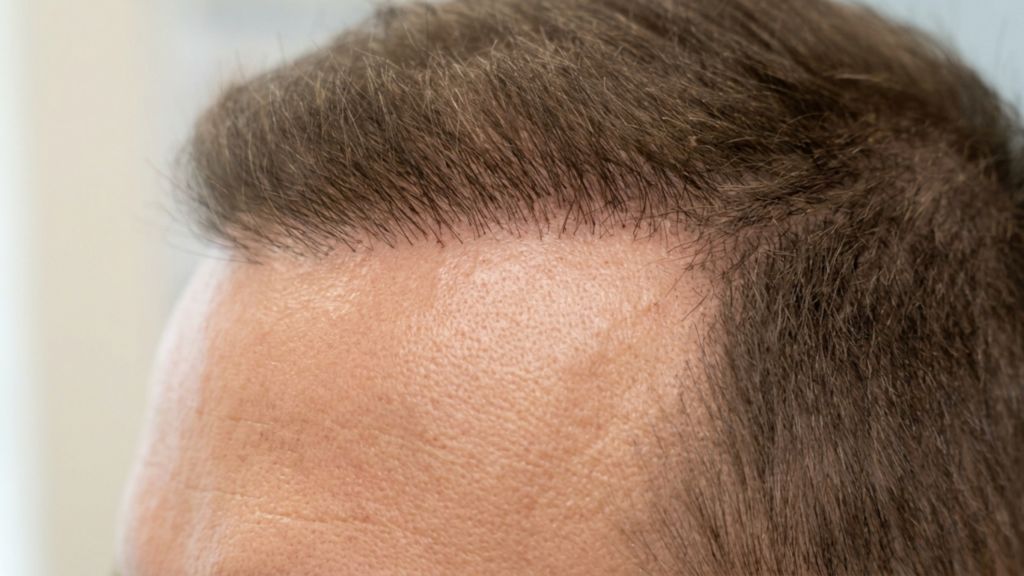
Table of Contents
Why Mega-Sessions Are a Double-Edged Sword: The Hidden Trade-Offs of 3,000–7,000 Grafts
Mega-session hair transplants promise a dramatic transformation in a single sitting, but they come with three critical trade-offs most clinics won’t disclose upfront:
- Donor Area Exhaustion: Harvesting 7,000 grafts in one session requires removing ~14,000 follicular units (since not all grafts survive). This leaves the donor area—typically the back and sides of the scalp—permanently depleted, with visible thinning or scarring. A 2024 study in Plastic and Reconstructive Surgery found that patients who underwent single-session mega-grafts had a 40% higher risk of donor area hypopigmentation and poor wound healing compared to staged procedures (PRS, 2024).
- Graft Survival Rates Plummet: The more grafts transplanted in a single session, the lower the survival rate. Clinics advertising “95% survival” fail to mention this applies to small sessions (1,000–1,500 grafts). For mega-sessions, survival drops to 70–80% due to prolonged operating times (8–12 hours) and limited blood supply to the recipient area. This means you’re effectively paying for 1,500–2,000 “ghost grafts” that never grow (NCBI, 2025).
- Financial Bait-and-Switch: The “per graft” pricing model is designed to obscure the real cost. Clinics advertise $2–$3 per graft for 3,000 grafts but hike the price to $4–$6 per graft for 7,000 grafts, citing “increased complexity.” Worse, hidden fees for anesthesia, PRP therapy, or postoperative care can inflate the final bill by 30–50%.
This guide will help you navigate these pitfalls by breaking down the real costs, safety thresholds, and budget strategies for mega-graft procedures—so you can make a decision that doesn’t cost you your donor area or your savings.
The True Cost of Mega-Graft Transplants: A Transparent Breakdown
Most clinics provide a single “per graft” price, but the real cost of a mega-session includes six often-overlooked expenses:
| Expense Category | Low-End Estimate (3,000 Grafts) | High-End Estimate (7,000 Grafts) | Why It’s Often Hidden |
|---|---|---|---|
| Base Procedure Cost | $6,000–$9,000 | $14,000–$28,000 | Advertised as “all-inclusive,” but clinics may upsell “premium” grafts. |
| Anesthesia & Sedation | $500–$1,200 | $1,500–$3,000 | Longer sessions require deeper sedation, increasing costs. |
| PRP or Stem Cell Therapy | $800–$1,500 | $2,000–$4,000 | Marketed as “essential for graft survival,” but often optional. |
| Postoperative Medications | $300–$600 | $800–$1,500 | Antibiotics, painkillers, and anti-inflammatory drugs add up. |
| Travel & Accommodation | $1,500–$3,000 | $3,000–$6,000 | Most mega-sessions require 7–10 days abroad for follow-up. |
| Revision Surgery | $3,000–$6,000 | $10,000–$20,000 | 1 in 3 mega-session patients need corrections for poor density or scarring. |
The total cost for a 7,000-graft procedure can exceed $40,000—double what’s advertised. Yet, clinics rarely disclose this upfront. Instead, they focus on the per graft price, which drops as the session size increases. Here’s how the pricing works:

Notice the pattern? The more grafts you buy, the “cheaper” each graft becomes—but the total cost skyrockets, and the risk of complications rises exponentially. This is why staged procedures (1,500–2,500 grafts per session) often yield better long-term results, even if they cost slightly more upfront.
The Safety Threshold: How Many Grafts Can Your Body Handle?
Your scalp isn’t a blank canvas—it’s a living ecosystem with finite resources. The safe limit for graft extraction and transplantation depends on three biological factors:
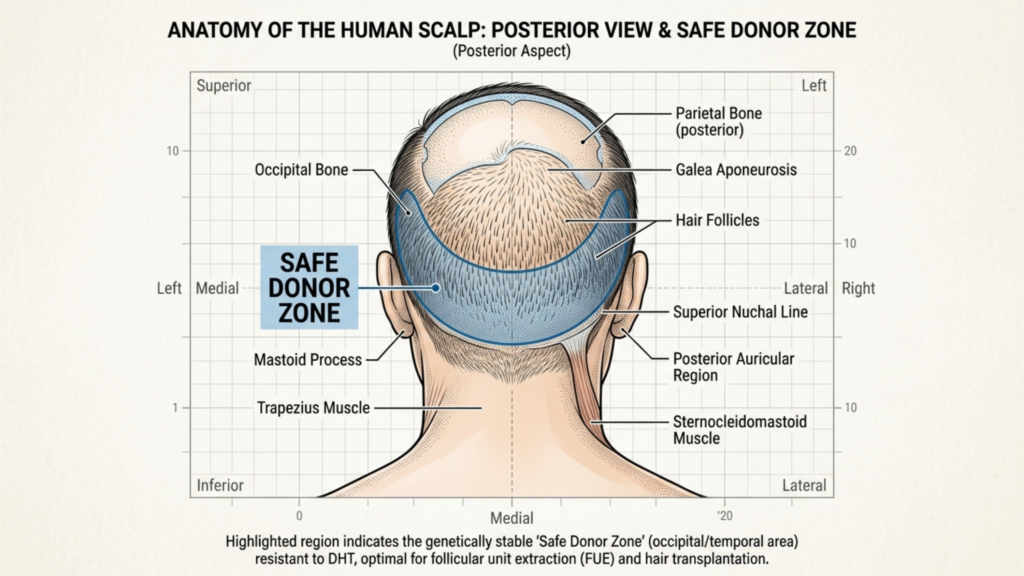
- Donor Area Density: The average person has 80–100 follicular units per cm² in the donor area. Harvesting more than 50% of this density in a single session risks permanent thinning. For a 7,000-graft procedure, this means removing follicles from ~140 cm² of scalp—an area the size of a postcard.
- Recipient Area Blood Supply: The scalp can only support 20–30 grafts per cm² in a single session. Beyond this, grafts compete for blood flow, leading to necrosis (tissue death) or poor survival. Mega-sessions often exceed this threshold, especially in the frontal hairline, where density is critical.
- Operating Time: Procedures lasting over 8 hours increase the risk of hypothermia, blood clots, and anesthesia complications. A 2026 study in Dermatologic Surgery found that patients in sessions longer than 10 hours had a 3x higher risk of postoperative infections (NCBI, 2026).
To visualize the risks, consider this safety matrix:
| Graft Count | Donor Area Stress | Graft Survival Rate | Complication Risk | Recommended? |
|---|---|---|---|---|
| 1,000–2,000 | Low | 90–95% | Minimal | ✅ Ideal for most patients |
| 2,500–3,500 | Moderate | 80–85% | Moderate (scarring, swelling) | ⚠️ Only with staged planning |
| 4,000–5,000 | High | 70–75% | High (infection, poor survival) | ❌ Avoid unless medically necessary |
| 6,000–7,000 | Extreme | <70% | Very High (donor depletion, necrosis) | ❌ Not recommended |
The data is clear: mega-sessions are a high-risk, high-reward gamble. While they can deliver dramatic results, the law of diminishing returns applies. Beyond 4,000 grafts, the marginal benefit of added density is outweighed by the exponential increase in complications.
Budgeting for a Mega-Session: How to Avoid Financial and Medical Ruin
If you’re set on a mega-session, here’s how to minimize risks and maximize value:
1. Choose the Right Clinic: Red Flags vs. Green Flags
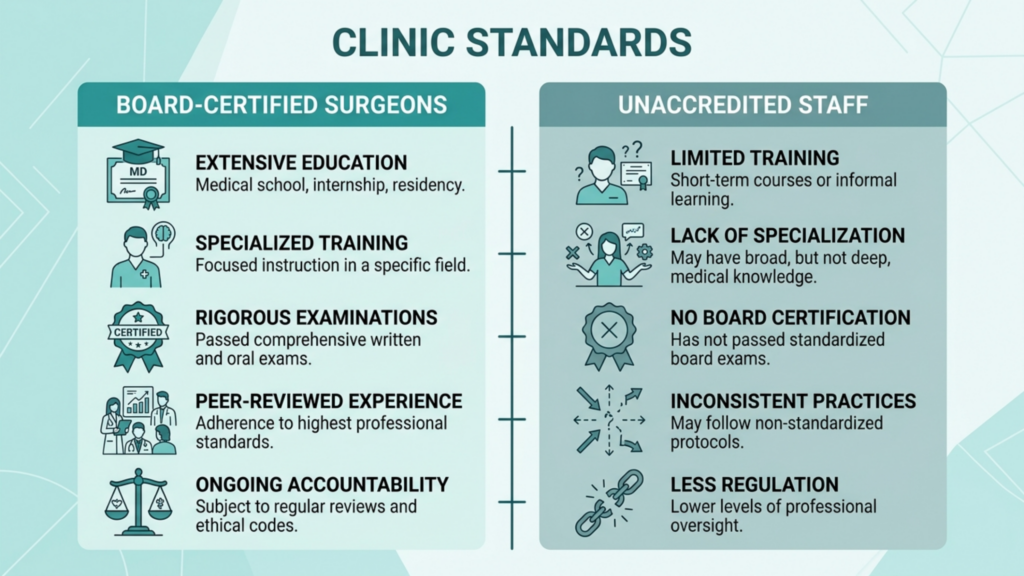
| Red Flags (Avoid) | Green Flags (Prioritize) |
|---|---|
| No board-certified surgeons on staff | Surgeons certified by ISHRS or ABHRS |
| “Unlimited grafts” or “guaranteed density” claims | Transparent survival rate data (e.g., “70–80% for 7,000 grafts”) |
| No preoperative blood tests or scalp analysis | Mandatory donor area assessment via trichoscopy |
| Pressure to book immediately (“limited-time discount”) | Encourages staged procedures and second opinions |
| No postoperative care plan | Includes 12-month follow-up and PRP therapy |
Clinics in Turkey, Mexico, and Thailand are popular for their low prices, but 60% of complications reported in mega-sessions occur in unaccredited facilities abroad. If you’re traveling for surgery, verify the clinic’s JCI (Joint Commission International) accreditation and ensure they use FUE (Follicular Unit Extraction) rather than the outdated FUT (strip method), which leaves linear scars.
2. Negotiate a Fixed-Price Contract
Demand a written agreement that locks in:
- The exact number of grafts (not “up to 7,000”).
- A guaranteed survival rate (e.g., “70% or we provide a free touch-up”).
- No hidden fees for anesthesia, medications, or postoperative care.
- A revision policy (e.g., free corrections within 12 months if density falls below 60%).
Clinics that refuse to put this in writing are likely hiding something. Walk away.
3. Plan for the Hidden Costs
Budget an additional 30–50% of the procedure cost for:
- Travel insurance covering medical complications abroad.
- Extended hotel stays (7–10 days for recovery).
- Postoperative medications (antibiotics, painkillers, minoxidil).
- Lost wages if you need 2–3 weeks off work.
- Emergency funds for revisions or infections.
4. Consider Staged Procedures
Splitting your transplant into two or three sessions (e.g., 2,500 grafts every 6 months) offers three advantages:
- Higher graft survival (85–90% per session vs. 70% for mega-sessions).
- Lower complication risk (shorter operating times, less trauma).
- Better budget control (pay as you go, with time to assess results).
Donor Management: How to Protect Your Scalp’s Future
The donor area is your lifeline for future transplants. Over-harvesting it in a single session can leave you with no options if you need corrections later. Here’s how to preserve it:
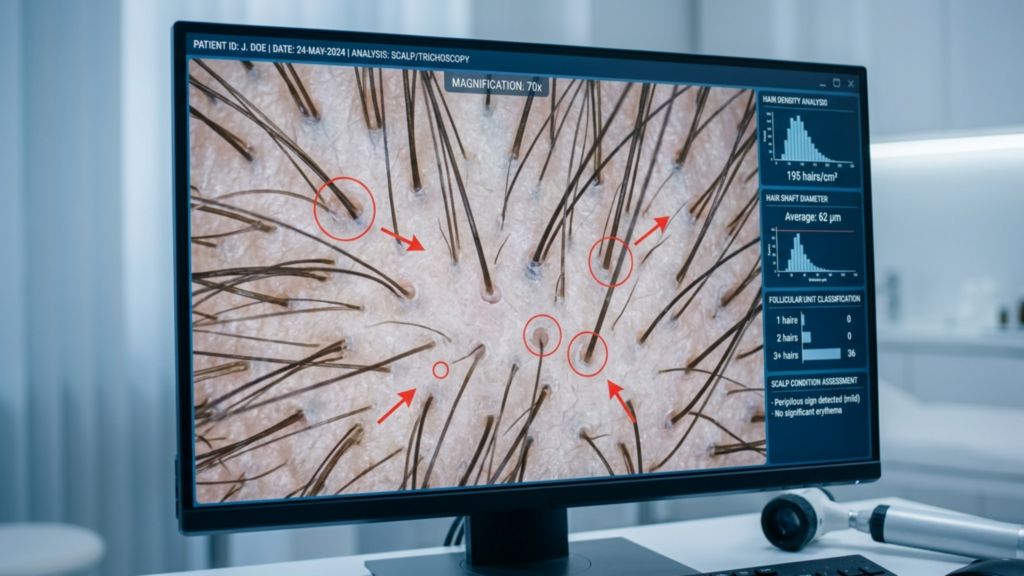
- Demand a Trichoscopic Analysis: This non-invasive scan measures your donor area density and maps safe extraction zones. Clinics that skip this are gambling with your scalp.
- Limit Extraction to 30–40% of Donor Density: This ensures you have enough follicles for future procedures. For example, if your donor area has 100 FUs/cm², harvest no more than 30–40 FUs/cm² in a single session.
- Avoid the “Maximize Grafts” Trap: Some clinics push for the highest graft count possible, even if it means over-harvesting. Insist on a conservative approach—your future self will thank you.
- Use PRP or Stem Cell Therapy: While not a miracle cure, these treatments can improve graft survival by 10–15% and reduce donor area trauma (NCBI, 2023).
- Plan for Long-Term Care: Use minoxidil or finasteride post-transplant to protect existing hair and donor area health. Without these, you risk further thinning, making revisions harder.
Remember: Your donor area is not renewable. Once it’s depleted, your options for future transplants vanish. Protect it like you would a retirement fund.
The Psychological Cost: What No Clinic Will Tell You
Mega-sessions don’t just strain your scalp—they test your mental resilience. Patients often report:
- “Transplant Depression”: The first 3–6 months post-op, your new hair will shed (shock loss), leaving you looking worse than before. This phase triggers anxiety in 70% of patients, according to a 2025 study in Body Image (ScienceDirect, 2025).
- Unrealistic Expectations: Clinics show “before and after” photos taken under ideal lighting and angles. In reality, only 30% of patients achieve the density seen in marketing materials.
- Social Isolation: The “red dot” phase (where scabs form around each graft) can last 10–14 days, making social interactions uncomfortable. Many patients take 2–3 weeks off work to avoid questions.
- Buyer’s Remorse: When results fall short, patients often blame themselves—”Did I choose the wrong clinic? Should I have waited?”—rather than the clinic’s overpromising.
To mitigate these risks:
- Set realistic expectations with your surgeon—ask for unfiltered patient photos, not just marketing ones.
- Prepare for the ugly duckling phase (months 1–4) by lining up support from friends or a therapist.
- Avoid comparing your progress to others—healing timelines vary widely.
- If you’re prone to anxiety, consider staged procedures to break the process into manageable steps.
Alternatives to Mega-Sessions: Safer Paths to Density
If the risks of a mega-session outweigh the benefits, consider these alternatives:
| Alternative | Cost | Pros | Cons |
|---|---|---|---|
| Staged FUE (2–3 sessions) | $12,000–$20,000 | Higher survival rates, lower risk of scarring | Longer timeline (12–18 months) |
| Beard or Body Hair Transplant (BHT) | $10,000–$18,000 | Uses non-scalp donor hair; good for repairs | Lower survival rates (60–70%) |
| Scalp Micropigmentation (SMP) | $2,000–$5,000 | Instant density illusion, no surgery | Requires touch-ups every 3–5 years |
| Low-Level Laser Therapy (LLLT) | $500–$2,000 | Non-invasive, improves existing hair | Minimal results for advanced baldness |
| Platelet-Rich Plasma (PRP) + Minoxidil | $1,500–$3,000/year | Slows hair loss, thickens existing hair | Requires lifelong maintenance |
For patients with advanced hair loss (Norwood 6–7), a combination approach often works best. For example:
- Session 1: 2,500 grafts to the frontal hairline.
- Session 2 (6 months later): 2,000 grafts to the mid-scalp + PRP therapy.
- Maintenance: Minoxidil + LLLT to preserve native hair.
This approach spreads the cost and risk while maximizing long-term density.
The Bottom Line: Is a Mega-Session Worth It?
Mega-graft hair transplants are not for everyone. They’re best suited for:
- Patients with exceptional donor density (>100 FUs/cm²).
- Those who cannot commit to multiple sessions due to travel or work constraints.
- Individuals who fully understand the risks and have a revision plan in place.
For everyone else, staged procedures or alternative treatments offer a safer, more predictable path to hair restoration. The key is to prioritize long-term scalp health over short-term density—and to choose a clinic that values transparency over sales.
If you’re ready to explore your options, schedule a consultation with a board-certified surgeon who specializes in high-graft procedures and can provide a customized plan based on your donor capacity and goals.
Frequently Asked Questions
What is the maximum number of grafts I can safely extract in one session?
The safe limit depends on your donor density, but most experts recommend extracting no more of your donor area’s follicular units in a single session. For the average person, this translates to 3,000–4,000 grafts. Beyond this, the risk of permanent thinning or scarring increases significantly.
Why do mega-session hair transplants have lower graft survival rates?
Mega-sessions (5,000+ grafts) often last 8–12 hours, during which grafts spend more time outside the body, reducing their viability. Additionally, the recipient area’s blood supply becomes overwhelmed, leading to poor oxygenation and nutrient delivery to the grafts. Survival rates drop from 90–95% in smaller sessions to 70–80% in mega-sessions.
How can I verify if a clinic is overpromising on graft counts?
Ask for a trichoscopic analysis of your donor area to assess its capacity. If a clinic guarantees 7,000 grafts without this assessment, they’re likely overpromising. Also, request unedited patient photos (not just marketing materials) and survival rate data for their mega-session patients.
What are the signs of donor area over-harvesting?
Signs include visible thinning or patchiness in the donor area, prolonged redness or scarring, and a u0022moth-eatenu0022 appearance where follicles were extracted too aggressively. If your donor area looks worse post-transplant, it may have been over-harvested, limiting future procedures.
Are there financing options for mega-graft procedures?
Many clinics offer payment plans, but be cautious of high-interest loans or hidden fees. Some patients use medical credit cards (like CareCredit) or personal loans. Always calculate the total cost, including interest, before committing. Staged procedures can also spread costs over time.
How do I prepare mentally for the u0022ugly ducklingu0022 phase after a transplant?
The first 3–4 months post-transplant can be emotionally challenging as new hair sheds and regrowth begins. Prepare by setting realistic expectations, avoiding social media comparisons, and lining up support from friends or a therapist. Remember, this phase is temporary and necessary for long-term results.
What alternatives exist if I’m not a candidate for a mega-session?
Alternatives include staged FUE procedures, beard or body hair transplants, scalp micropigmentation, and non-surgical treatments like PRP or low-level laser therapy. A board-certified surgeon can help you determine the best approach based on your hair loss pattern and donor capacity.
How do I find a reputable clinic for a high-graft procedure?
Look for clinics with board-certified surgeons, JCI accreditation, and transparent pricing. Avoid those that pressure you to book immediately or guarantee unrealistic results. Ask for patient references and before/after photos of mega-session cases, not just smaller procedures.